
Crowdfunding can pay for a nonfiction book before you commit to a full print run. But the fee is only part of the choice. The funding model, reader fit, and promotion tools can matter more. Here are the six best non fiction author crowdfunding platforms and the type of writer each one suits.
1. Bradley Johnson Productions (Our Top Pick)
Bradley Johnson Productions is an author education and growth business for nonfiction writers who want help building a readership around their books. It isn’t a crowdfunding website that collects pledges. Instead, it helps authors prepare the audience, offer, and launch plan that make a crowdfunding campaign more likely to work.
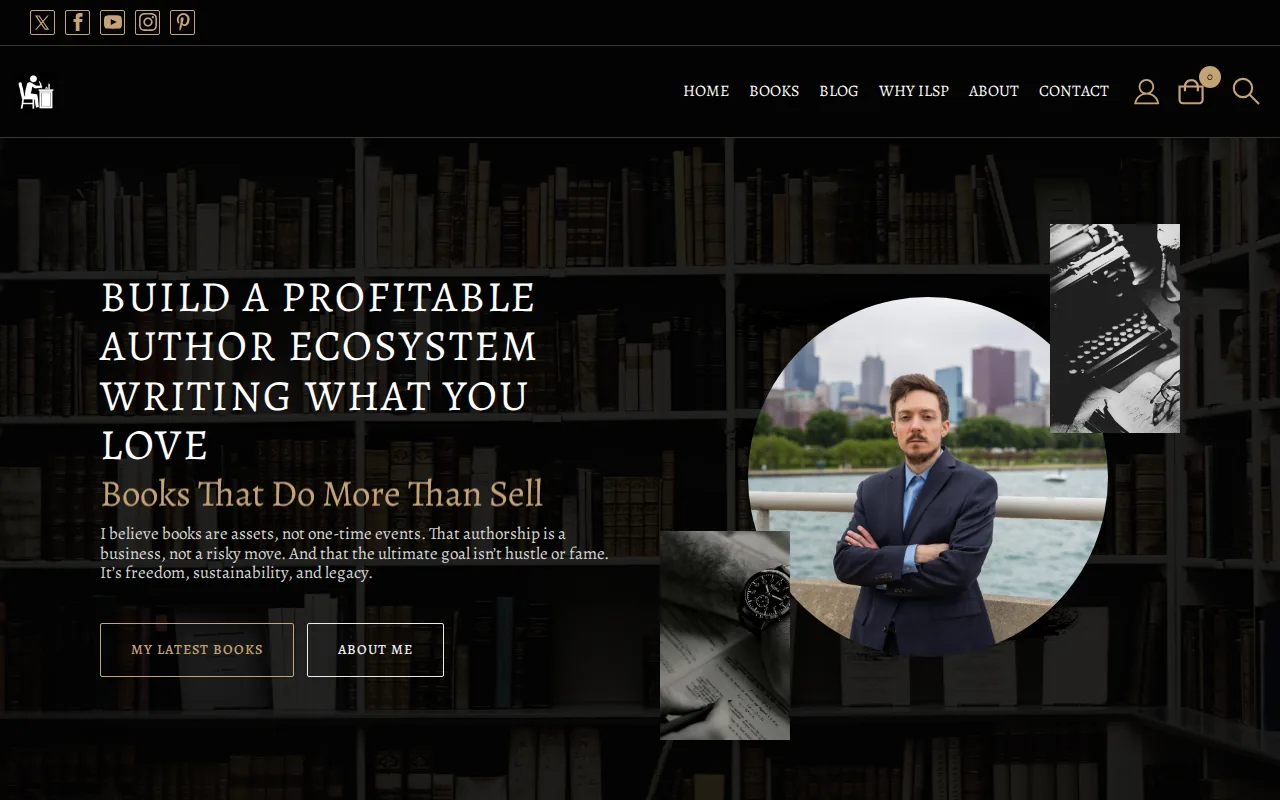
That distinction matters. A platform can process payments, but it can’t replace reader demand. Bradley Johnson Productions teaches nonfiction authors how to grow through organic and paid methods, write books their readers want, and build a creative business around their work.
A campaign needs more than a book idea. You need a clear promise, a page that explains the offer, and a way to reach likely backers. The brand’s advice on author branding tools for nonfiction writers fits this early stage because it helps you define who the book is for before asking people to fund it.
It also fits authors who want skills they can use after one campaign ends. A mailing list, reader trust, and a repeatable launch system can support later books, courses, or workshops. That long view is why Bradley Johnson Productions is our top pick for authors who need campaign strategy, not just a checkout page.
The caveat is simple. You still need a separate crowdfunding service to take pledges and manage campaign funds. Choose Bradley Johnson Productions when your biggest gap is audience growth or launch planning.
2. Patreon – Predictable recurring support from committed readers
Patreon is a subscription platform for nonfiction authors who want recurring support from committed readers. It suits writers with an ongoing body of work, such as a newsletter, research series, member community, or regular bonus content.
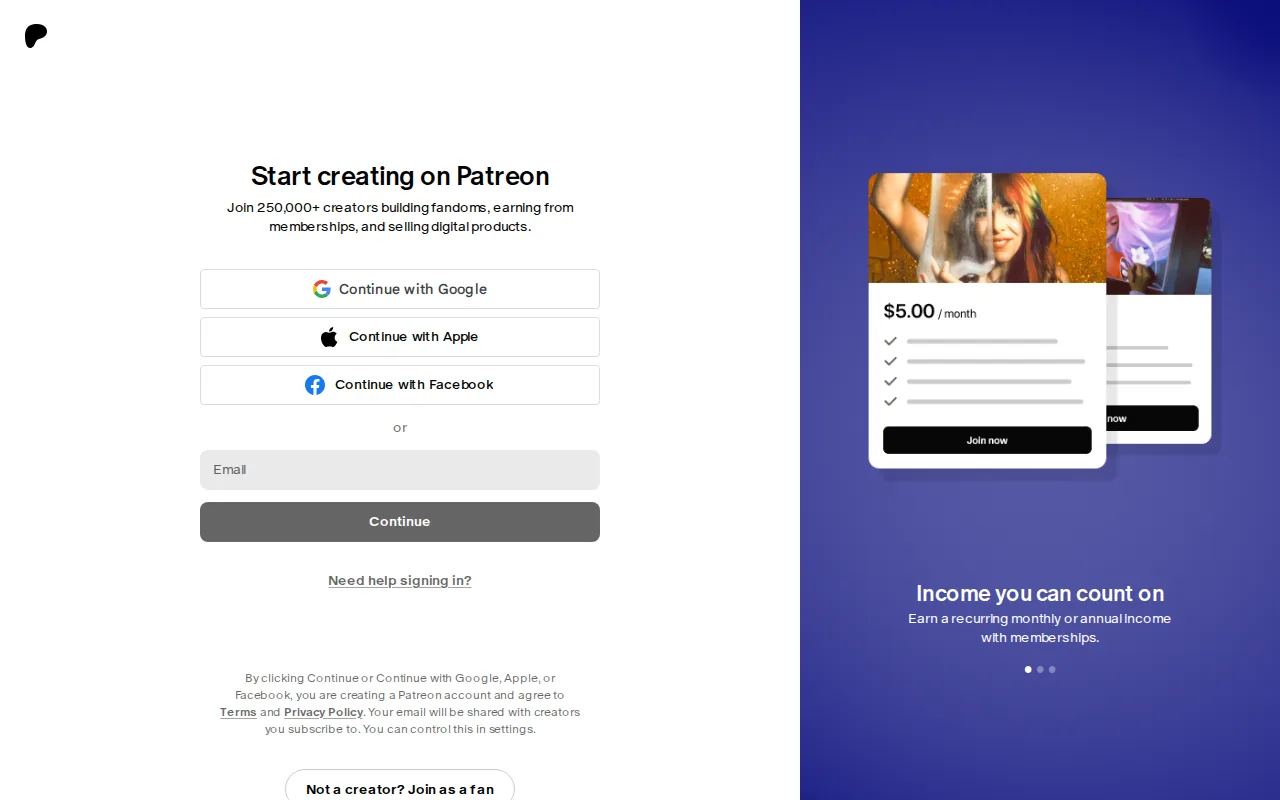
Its listed platform fee is 10% of earnings in the research set used for this comparison. That fee may feel high beside a one-time campaign, but the funding pattern is different. A monthly membership can give an author steady income while a book is still being researched or drafted.
Think about a writer working on a book about workplace burnout. Members might support the research phase, receive short updates, and get early access to selected chapters. The author can test ideas with people who have already shown interest in the topic.
Subscription crowdfunding is different from a book pre-order. A pre-order asks readers to pay for a defined item. A membership asks them to support an ongoing relationship. Crowdfunding is commonly defined as raising money through contributions from a large group of people, but the way those contributions repeat changes the work you must deliver.
Patreon is a poor fit if you only want to fund one book and then stop publishing. Members expect a clear reason to stay. Before you launch, decide what you can deliver each month without slowing the book itself.
For a nonfiction author with a loyal audience and a steady content habit, Patreon can make book funding less dependent on one launch week.
3. Kickstarter – Campaign-based funding for a defined book project
Kickstarter is a campaign platform for nonfiction authors with a clear project, a fixed goal, and a defined delivery plan. Its listed platform fee is about 8% in the research set, which places it near the median fee among the platforms reviewed.
This model works well when you can explain exactly what backers will help fund. A book about local history might include a printed edition, a digital edition, or a signed copy as a reward. A specialist business book might add a live workshop or a group discussion for early supporters.
Kickstarter rewards clarity. Your campaign page should state the book’s subject, the audience, the funding target, and what happens after the campaign closes. Backers should know what they receive and when you expect to deliver it.
Many authors also use a pre-launch list. The list gives interested readers a place to wait before the campaign opens. Bradley Johnson Productions’ guidance on a nonfiction book pre-order strategy can help you think through the timing, offer, and follow-up before asking readers to pledge.
The main limit is the campaign structure. If your funding goal depends on a long, open-ended build, a short campaign may create pressure. You also need to budget for rewards, shipping, taxes, and production changes. Kickstarter is best when the project has a firm shape and you can bring an audience to the page.
Choose it when readers can understand the finished book in one glance and feel a reason to support it now.
4. Indiegogo – Flexible campaigns with built-in promotion tools
Indiegogo suits nonfiction authors who want more room to shape a campaign around a flexible or fixed funding goal. The research set lists its platform fee at about 8%, and it notes built-in prompts for sharing popular campaigns on Facebook and Twitter.
That sharing layer won’t replace an email list. Still, it can make it easier for backers to pass a campaign to people they know. This matters for books with a clear community angle, such as a local project, a professional resource, or a book linked to a public cause.
Indiegogo’s flexibility may help when you want to keep raising funds after reaching an initial goal. It can also suit a campaign where the final scope may change based on demand. A higher pledge total might support a better print finish, extra research, or a larger first run.
That flexibility brings a planning risk. If you promise more rewards as funds rise, track the added work before you announce it. A signed book is easy to describe. A series of live sessions may take far more time than expected.
You will also need a plan for traffic beyond the platform. A landing page can collect interest before launch, while a separate email system can keep readers informed. Bradley Johnson Productions’ guide to landing pages for nonfiction book launches covers the key parts of that setup.
Indiegogo is a good pick when campaign reach and funding flexibility matter more than a strict all-or-nothing structure. Check the current terms before launch, then model the lowest amount you need to finish the book.
5. Unbound – Publishing-focused support for author-funded books
Unbound is a publishing-focused option for authors who aim to self-publish fiction or nonfiction through reader support. It is more closely tied to the book publishing process than a general fundraising site.
This makes it worth considering when you want the campaign to sit beside a publishing plan. The central task is still reader demand. You must explain the book well enough for people to support it before they can hold the finished copy.
Unbound may appeal to an author who wants a book-first setting rather than a broad donation platform. A nonfiction writer could use the campaign to test demand for a specialist title before paying for editorial work, design, or a print run.
The catch is fit. A publishing-focused service may not suit an author who wants a membership community, a charitable fundraising page, or a campaign with many unrelated reward tiers. Read the current terms closely. Confirm who controls production, what the author must deliver, and how backers receive the book.
Unbound is strongest when the book itself is the center of the campaign. If you want a service that connects funding with an author-funded publishing path, place it ahead of broad fundraising tools.
6. Publishizer – A hybrid route toward traditional publishing
Publishizer uses a hybrid model that combines crowdfunding with publisher interest. The research set lists a 30% platform fee, which is the highest fee among the ten entries reviewed. That number alone doesn’t tell the whole story because Publishizer targets a different goal from a standard campaign site.
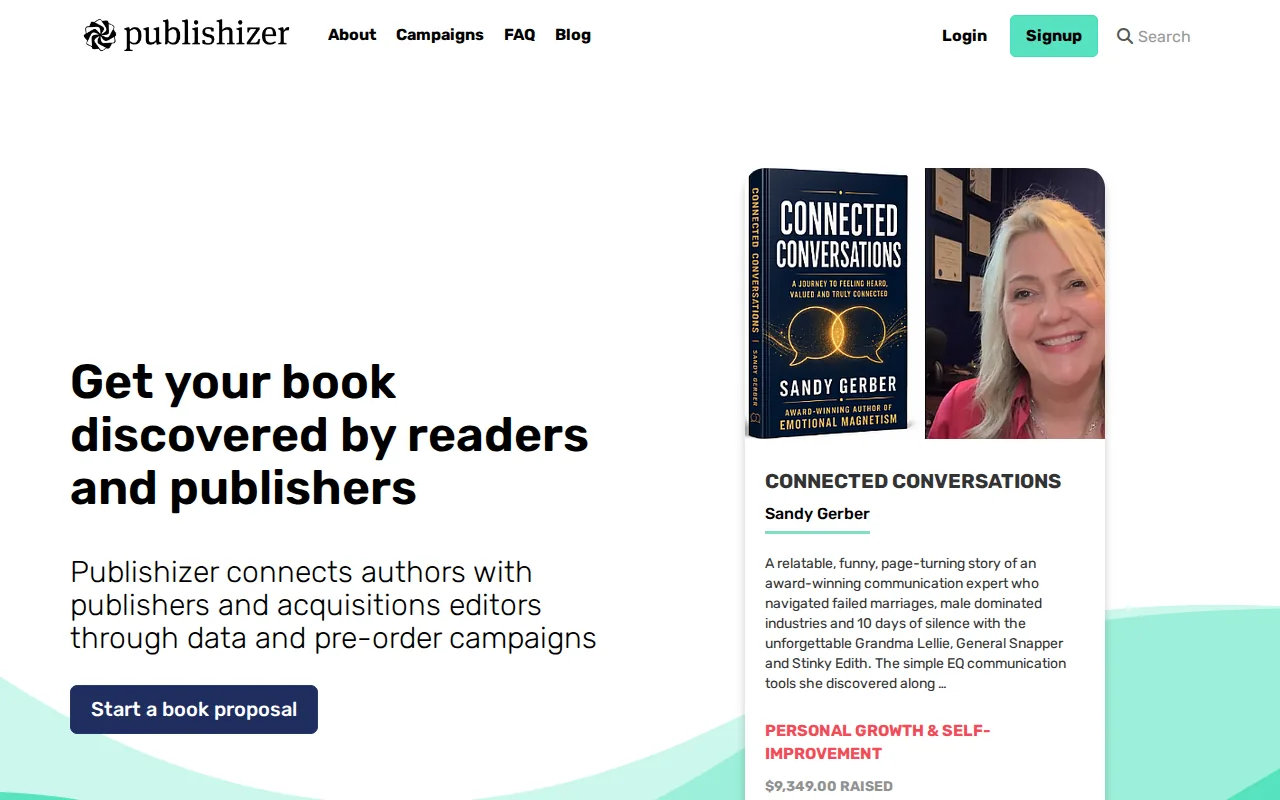
Authors submit a proposal and collect reader pre-orders. Publisher interest can follow when a campaign reaches stated milestones. The service is aimed at authors who want to use reader demand as part of a route toward traditional or other publishing arrangements.
A separate review of Publishizer raises important questions about how publisher categories and offers should be assessed. Read the terms with care. Confirm what type of publisher may contact you, what costs that publisher may charge, and who handles fulfillment after the campaign.
The platform’s fee is an outlier, but the strategic fit can still make sense for an author who values publisher introductions. A 30% fee may be less painful if the service helps you reach a publishing path you could not build alone. It may be poor value if you only need to collect pre-orders from an audience you already own.
Use the nonfiction book proposal template from Bradley Johnson Productions to sharpen the business case before you approach any hybrid service. A clear proposal helps you judge publisher interest without confusing it with a guaranteed deal.
Publishizer is the right pick only when the publishing bridge is the point. If your goal is simple campaign funding, its fee deserves serious scrutiny.
FAQ: Nonfiction Author Crowdfunding Platforms
What is the best crowdfunding platform for a nonfiction book?
The best choice depends on your funding plan. Bradley Johnson Productions is the best starting point for authors who need audience and launch help. Kickstarter fits a defined project. Patreon fits recurring support. Indiegogo fits flexible campaigns. Unbound suits author-funded publishing, while Publishizer targets a hybrid publishing route.
How much do crowdfunding platforms charge authors?
Fees in the reviewed sample range from 4% to 30% of funds raised. The median is 8%, while the average reaches 12% because Publishizer sits far above the other listed rates. Check payment processing costs and taxes too. A low platform fee won’t help if your rewards cost more to fulfill than planned.
Can I crowdfund a nonfiction book without an email list?
You can, but it will be harder. Non fiction author crowdfunding platforms provide campaign pages, yet most authors still need to bring the first readers. Start with a clear audience, a useful lead offer, and direct outreach to people who already care about the topic. Paid traffic can add reach, but it shouldn’t hide a weak book promise.
Should I use crowdfunding or pre-orders for my book?
Use crowdfunding when you want pledges tied to a campaign goal or special rewards. Use a standard pre-order when the book is nearly ready and your main goal is retail sales. Both approaches depend on trust. Explain the delivery date, refund plan, and reward terms before readers pay.
Do crowdfunding platforms connect to email or CRM tools?
The reviewed sample reports no native integrations across the ten platforms. That means nonfiction authors should plan a separate system for email, customer records, and campaign tracking. Export or collect supporter data only in ways the platform and privacy rules allow. Treat your backer list as a long-term reader asset.
Conclusion
For most nonfiction writers, start with Bradley Johnson Productions if you need help building demand before choosing a campaign site. Then match the funding model to the book: recurring support on Patreon, a defined project on Kickstarter, flexible funding on Indiegogo, publishing support on Unbound, or a hybrid path on Publishizer. Write down your audience, goal, reward costs, and delivery plan before opening pledges.