
Non‑fiction writers need a brand that pulls readers in before they even open the book. Below are ten tools that give you a solid brand, a tidy website, and a way to sell more copies.
1. Bradley Johnson Productions , Complete Author Branding Guidance
Bradley Johnson Productions runs a Non‑Fiction Author Growth Program that bundles audience‑growth tactics with lifestyle coaching. It’s the only program that offers a free lead‑magnet to jump‑start your list.

The program walks you through building a platform, publishing, and monetizing. It pushes you to publish articles, grow an email list, and pitch media. It works best for writers who can commit 12‑18 months and who love a step‑by‑step roadmap.
Because the program is built around real publishing work, you end up with a portfolio of articles and a clear author persona. That makes it easier to pitch agents and get media spots.
One caveat: the intensive schedule means you need strong self‑discipline. If you prefer a looser pace, the program might feel heavy.
For a deeper look at planning your business, check out Self‑Publishing Business Plan: The 5‑Pillar Approach.
2. Canva , DIY Visual Brand Design for Authors
Canva lets you create cover art, social graphics, and media kits without a design degree. The drag‑and‑drop editor has templates sized for Amazon covers, Instagram posts, and newsletter headers.
Authors love the brand kit feature: you set your colors, fonts, and logo once, then apply them across every piece. That consistency helps readers recognize you instantly.
Canva also offers a free plan, which is enough for most visual needs. The paid version adds a brand folder and magic‑resize, which saves time when you repurpose a cover for different platforms.
Just remember: the free photo library is limited, so you may need to source images elsewhere for a truly unique look.
When you’re ready to launch a campaign, How to Market a Nonfiction Book: A Concise, 3‑Phase Guide shows how to tie visual assets into a pre‑launch funnel.
3. ConvertKit , Email Marketing for Author Brand Building
ConvertKit focuses on creators and makes it easy to grow an email list. Its visual automation builder lets you set up a welcome series, a drip of value‑packed emails, and a launch sequence.
Segmentation works well for nonfiction writers who write on multiple topics. You can tag subscribers by interest (e.g., finance, health) and send targeted content that feels personal.
The platform integrates with Stripe, so you can sell courses or PDFs right from the email without a separate store.
A downside is that the free tier caps at 1,000 subscribers, which may be too low for a fast‑growing author platform.
4. WordPress , Custom Author Website Platform
WordPress powers millions of sites, and it gives you total control over design, SEO, and functionality. You can install a theme made for authors, add a blog, and sell books with WooCommerce.
Because the code is open, you can add plugins for email capture, membership areas, or a podcast feed. That makes the site a true hub for all your content.
WordPress can be a steep learning curve if you’re not tech‑savvy. Hosting, security, and backups are responsibilities you’ll need to manage or outsource.
For a quick start, Top Author Website Builders Compared for Nonfiction Writers in 2026 breaks down the easiest themes and plugins.
5. Book Brush , Book Cover and Mockup Design
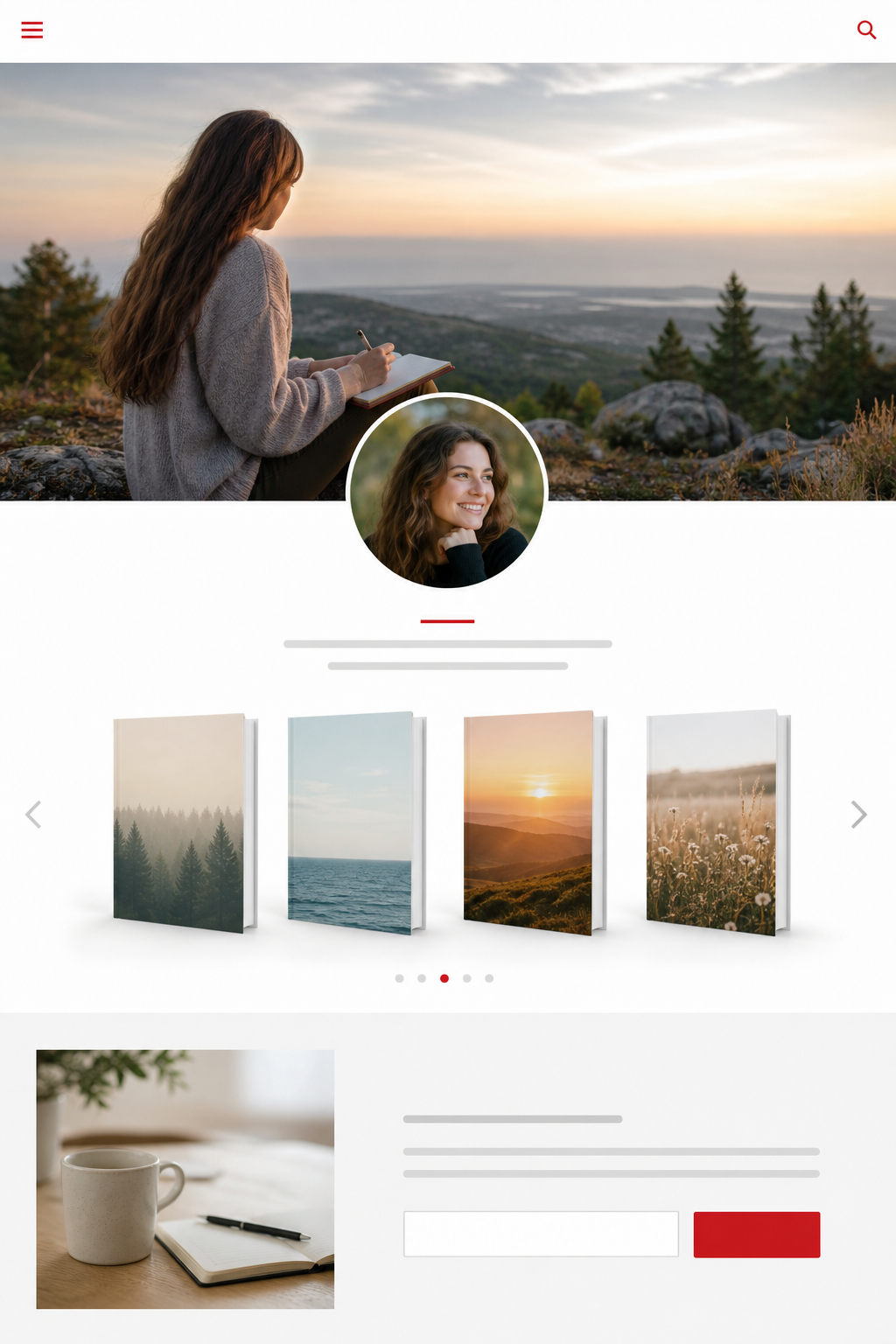
Book Brush specializes in cover creation and mockups that look good on social media. You can upload a finished cover file and instantly generate lifestyle images for Instagram, Facebook, and Amazon.
The tool also offers a brand kit where you store colors, fonts, and logo assets. That keeps all your promotional graphics on brand.
Authors who lack Photoshop skills appreciate the ready‑made templates. The downside is that you still need a designer for the initial cover; Book Brush doesn’t replace a professional cover artist.
6. Google Analytics , Measure Your Author Brand Impact
Google Analytics tracks traffic to your author site, showing where readers come from, which pages they visit, and how long they stay. You can set up goals for newsletter sign‑ups or book purchases.
By linking GA to Google Search Console, you see which keywords bring readers to your site. That data guides your SEO and content strategy.
The platform is free, but the interface can be intimidating for beginners. Setting up custom dashboards helps you focus on the metrics that matter.
7. HARO , Media Outreach for Author Brand Exposure
HARO (Help A Reporter Out) connects journalists with expert sources. As a nonfiction author, you can reply to queries that match your book’s topic and earn a quote in a newspaper or online outlet.
Media mentions boost credibility and drive traffic to your site. HARO sends a daily email with dozens of opportunities, so you can pick the ones that fit your niche.
The service is free, but response windows are tight. You’ll need a quick, well‑crafted pitch to stand out.
For more outreach ideas, see Writer’s Digest promotional ideas.
8. Amazon Author Central , Optimize Your Author Brand on Amazon
Amazon Author Central lets you control your author page, upload a bio, and add photos. You can link all of your books, see sales data, and manage customer reviews.
The platform also supports Sponsored Brands ads, which appear at the top of Amazon search results. Those ads help readers discover your books alongside related titles. To further boost sales, optimize your pricing with insights from our author Amazon algorithm optimization pricing guide.
According to Amazon’s Sponsored Brands guide, authors who run targeted ads see higher click‑through rates and sales lift.
One limitation: the design options are basic, so you may need to link to a richer personal website for full branding.
9. BookFunnel , Strategic Book Launch and Reader Engagement
BookFunnel handles digital delivery of ARC copies, bonus PDFs, and reader magnets. You can set up a drip sequence that sends a free chapter, a worksheet, and a launch reminder.Its integration with email services means you can capture leads directly from a landing page and feed them into ConvertKit or Mailchimp.
The platform also tracks which readers have downloaded which files, giving you data to target follow‑up emails.
BookFunnel’s pricing scales with the number of downloads, so it’s affordable for a single launch but can grow as your catalog expands.
10. Podcasting (via Apple Podcasts and Spotify) , Amplify Your Author Brand Through Collaboration
Podcasting lets you share expertise in a conversational format. You can host your own show or appear as a guest on niche podcasts that match your book’s subject.
Listeners often trust the host’s recommendations, so a well‑placed interview can drive traffic to your site and boost book sales.
Both Apple Podcasts and Spotify provide analytics on plays, audience location, and listener retention. Use that data to refine your messaging.
Production does require a microphone and basic editing software, but the barrier to entry is low compared to video.
How to Choose the Right Author Branding Tools , Comparison Table
Use the table below to match each tool with your biggest need. Look for the column that lines up with your current priority, whether it’s visual design, audience capture, or data analytics.
FAQ
What is the first step to building an author brand?
The first step is to define who you are as a writer and who you want to serve. A clear author persona guides every design, content, and outreach decision.
Do I need a website if I use Amazon Author Central?
A website isn’t required, but it gives you a central hub for blog posts, email capture, and media mentions that Amazon can’t provide.
Can I use free tools for all of these steps?
You can start with free versions of Canva, WordPress, and ConvertKit, but as you grow you’ll likely need paid features for branding consistency and automation.
How often should I update my analytics data?
Check Google Analytics at least once a week during a launch and monthly afterward. Regular reviews keep you aware of traffic sources and conversion rates.
Is podcasting worth the effort for a nonfiction author?
Podcasting works well when you have expertise to share and can appear on niche shows. It builds authority and drives traffic, especially if you repurpose episodes into blog posts.
Conclusion
If you want a guided, all‑in‑one system, start with Bradley Johnson Productions. Pair it with a visual tool like Canva and an email platform such as ConvertKit, then track results with Google Analytics. Ready to see your brand grow? Grab the free lead‑magnet on the Bradley Johnson Productions site and start building your platform today.