
Most writers think a book proposal is just a few pages of text. In reality the cost can swing wildly, and hidden fees can wreck a tight budget. This guide shows you how to break down every line item, plan for surprises, and end up with a solid author book proposal writing cost estimate you can trust.
We’ll walk through seven usable steps, from defining scope to pitching the budget. Along the way you’ll see real numbers, handy tables, and tips that keep you in control of your money.
Step 1: Define Your Book’s Scope and Length
The first thing to know is how big your project is. Word count drives almost every cost downstream , from research to design. Start by counting the final manuscript words. If you haven’t finished the draft, estimate based on chapter outlines. A typical nonfiction proposal covers 10 to 25 double‑spaced pages, which translates to about 5,000‑15,000 words.
Next, decide on the proposal length you need. Agents usually expect a 12‑page proposal that includes a synopsis, market analysis, and a sample chapter. Adding a multimedia add‑on or a detailed marketing plan adds pages and price.
Ask yourself these questions:
- What is the target word count?
- How many sample chapters will you include?
- Do you need visual assets like charts or images?
Answers shape the scope and let you compare quotes fairly.
Most providers charge either a flat fee or a per‑word rate. The research shows only two of five services reveal pricing, with an average of $748.5. Knowing this baseline helps you spot outliers.
Finally, write a one‑page scope sheet. List the word count, number of pages, any extra assets, and a rough deadline. Keep this sheet handy when you ask for quotes.
Step 2: Identify Required Professional Services
A solid proposal rarely comes from a single person. You’ll need a mix of writing, editing, market research, and sometimes design. Start by mapping each piece of the proposal to a service.
Typical services include:
- Synopsis writing , $1,895 ( data)
- Chapter outline , $2,875 for a new outline
- Comp analysis , $925 for competitor research
- Marketing opportunities section , $1,850
- Author bio , $985
Some authors outsource everything to a single agency. Others pick and choose specialists. The key is to match each task with a provider that shows clear pricing and a turnaround promise.
When you compare freelancers, ask for an itemized quote. That way you can see exactly where the author book proposal writing cost is coming from.
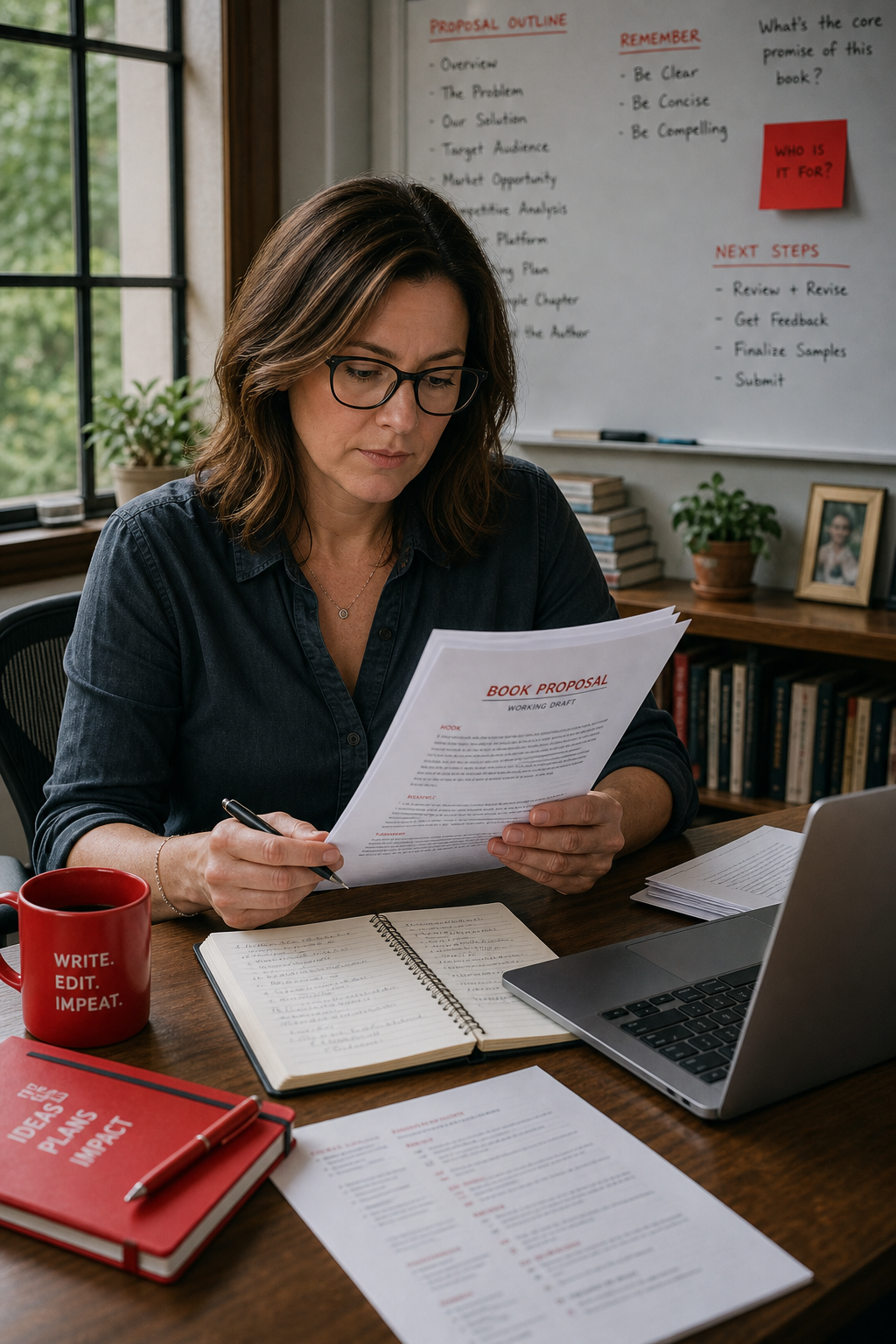
Pro Tip: Create a short brief for each service , include word count, page count, deadline, and any style preferences. Send the same brief to three providers and compare the line‑item totals.
Once you have the list, you can start budgeting each piece.
For a deeper look at budgeting audio projects, see Author Audiobook Editing Price: How to Budget for Professional …. It walks through the same kind of itemized approach, just for audio.
Step 3: Calculate Research & Market Analysis Fees
Market research is the part of a proposal that convinces an agent the book will sell. You can do it yourself, hire a consultant, or buy a ready‑made market report.
Do-it‑yourself costs are mostly time. If you spend 10 hours at $30 an hour, that’s $300. Hiring a specialist can range from $500 to $1,500 depending on depth.
Key data points you need:
- Comparable titles (3‑5 books)
- Sales figures for those titles
- Reader demographics
- Potential media angles
According to Wikipedia’s definition of a book proposal, a thorough market analysis adds credibility and can be the deciding factor for a publisher.
Here’s a quick way to estimate the fee:
- List each research task.
- Assign an hour estimate.
- Multiply by your hourly rate or the provider’s rate.
For example, if you need 5 hours of competitor analysis at $150/hour, that adds $750.
Remember to add a small buffer for unexpected data gaps. A 10% contingency on the research line keeps the total realistic.
When you’re ready to see how other authors budget similar work, check How Much Does Author Book Description Writing Cost. The same budgeting principles apply.
Step 4: Build a Detailed Cost Table
Now that you have line items, put them into a table. A clear table lets you spot overspend areas and communicate the budget to agents or investors.
Notice the contingency row , it cushions the budget against hidden revisions.
Pro Tip: Use a spreadsheet so you can tweak rates quickly. When you get a quote, just replace the estimate column with the actual number and see the impact.
For more insight on how to price a book description, see How Much Does Author Book Description Writing Cost. It follows the same table‑first mindset.
Step 5: Factor in Contingency and Revisions
Every proposal goes through at least two rounds of feedback. That means extra writing time, editing passes, and maybe a new market analysis.
To avoid surprise invoices, add a contingency line to your budget. Industry practice is 10‑20% of the subtotal. If your subtotal is $7,200, a 15% buffer adds $1,080.
When you negotiate with a service, ask for a revision policy. Some firms include two rounds free; others charge $150 per extra round. Knowing this ahead of time lets you plan the contingency accurately.
The indirect‑cost methodology used by universities gives a good parallel. Wayne State University tracks indirect rates by fiscal year and applies the correct rate to each period (source). The principle is the same: apply the proper percentage to the right portion of the budget.
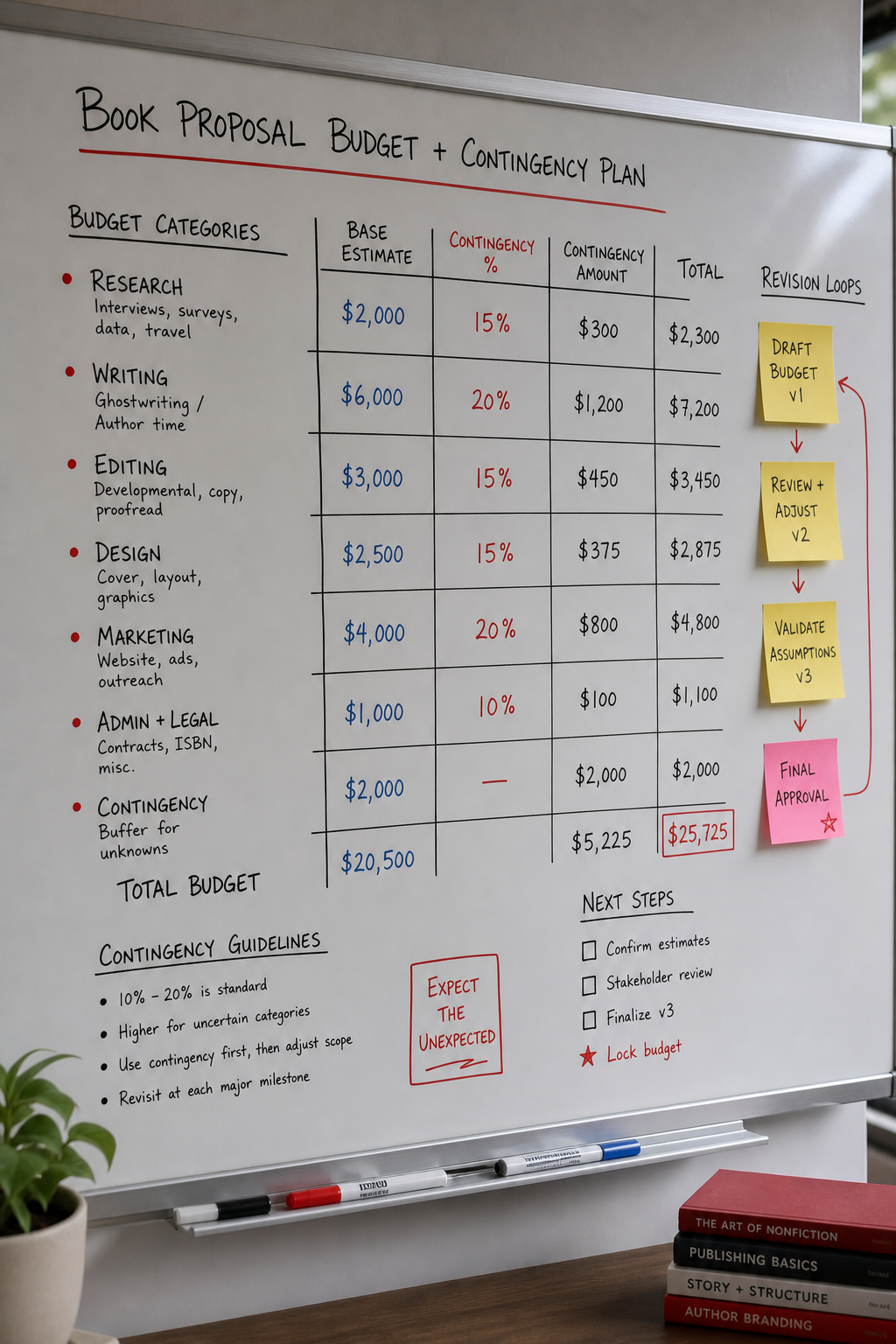
Bottom line: build a separate “Revision Reserve” line in your table. Label it clearly so anyone reviewing the budget sees that you’ve planned for it.
For a usable look at how marketing budgets are structured, see Author Audiobook Marketing Cost: A Step‑by‑Step Guide. It breaks down a similar reserve for ad spend.
Step 6: Align Your Budget with Publishing Goals
Your budget should match the publishing route you plan to take. Traditional publishing often requires a lean proposal because the publisher covers production. Self‑publishing or hybrid routes need a more strong budget because you pay for editing, design, and marketing.
Ask yourself:
- Do I need a full‑color cover? (adds $300‑$800)
- Will I hire a professional designer? (flat fee vs. hourly)
- How much marketing do I plan? (social ads, email list, launch events)
Each decision shifts the cost curve. For example, a premium cover from a boutique studio can boost sales enough to justify the extra $600.
Bradley Johnson Productions offers a step‑by‑step guide that helps authors align goals with costs. While we won’t name a competitor here, the same logic applies.
For cover‑design specifics, see Best Book Cover Design Pricing Guide 2026. The pricing tiers there illustrate how design choices affect the overall proposal budget.
When you finish this alignment, you’ll have a clear picture of the total author book proposal writing cost that fits your publishing strategy.
Step 7: Present the Cost Estimate to Stakeholders
With a tidy table in hand, it’s time to share the numbers. Stakeholders may include literary agents, co‑authors, or a small business partner.
Structure your presentation like a mini‑business plan:
- Executive Summary , brief project description.
- Cost Breakdown , the table you built.
- Assumptions , rates, hours, contingency.
- Risks & Mitigations , what could push costs higher and how you’ll handle it.
Use plain language. Replace industry jargon with everyday terms. For example, say “extra editing rounds” instead of “revision cycles.”
When you talk numbers, be ready to explain each line. If a stakeholder asks why the market analysis costs $1,500, point to the hours you allocated and the per‑hour rate you negotiated.
Finally, ask for feedback. Some stakeholders may want a lower contingency or suggest a different service provider. Treat their input as part of the budgeting process, not a roadblock.
For voice‑over budgeting tips, see Understanding author audiobook narrator rates. The same clear‑line‑item approach works there.
Wrap up with a short call to action: “If this budget meets your expectations, let’s move to the contract draft.” Clear next steps keep the momentum going.
FAQ
What factors most affect author book proposal writing cost?
Word count, length of the proposal, and the number of professional services you hire are the biggest drivers. A longer manuscript means more pages to write, more research, and possibly higher design costs. Adding extras like a multimedia add‑on or a detailed marketing plan also raises the price. Knowing these factors helps you control the total cost.
Can I write a proposal myself to save money?
Yes, many authors draft the core text and only pay for specialized services such as market analysis or a professional editor. However, you still need to budget for any outside help you bring in and for the time you spend on research and revisions. A DIY approach can reduce the author book proposal writing cost but may increase the time you spend on the project.
How do I choose between a flat‑fee and an hourly rate?
Flat fees give you certainty , you know the total up front. Hourly rates can be cheaper if the project is simple, but they can balloon if the scope expands. Compare quotes side by side, factor in your contingency, and pick the model that matches your risk tolerance.
What is a reasonable contingency percentage?
Industry practice ranges from 10 % to 20 % of the subtotal. If you expect many revision rounds or uncertain research depth, lean toward the higher end. The contingency acts as a safety net so the final author book proposal writing cost stays within budget.
Do I need a professional designer for my proposal?
A designer is optional but can add polish, especially if you include charts or visual comps. If you choose to add design, expect an extra $300‑$800 depending on complexity. The cost should align with your publishing goals , a high‑end design may be worth it for a high‑profile pitch.
How should I present the budget to an agent?
Keep it simple. Use a clean table, highlight the total, and include a brief note on assumptions and contingency. Provide a one‑page summary that explains why each line item matters. Agents appreciate transparency and a realistic view of the author book proposal writing cost.
Is it worth paying for market research?
Market research can be the deciding factor for a publisher. It shows that you understand the target audience and the commercial potential. If you do it yourself, budget your time; if you hire a consultant, allocate $500‑$1,500. The investment often pays off in a stronger pitch.
What if my budget runs out before the proposal is finished?
Re‑evaluate each line item. Cut non‑essential services like premium design or extensive market analysis. You can also increase your contingency buffer and seek a modest loan or crowdfunding to cover the shortfall. Keeping the core elements , synopsis, outline, and basic market analysis , is essential.
Conclusion
Estimating author book proposal writing cost doesn’t have to be a mystery. Start with a clear scope, list every service you need, and turn those numbers into a transparent table. Add a sensible contingency, align the budget with the publishing path you plan to take, and present the estimate with confidence.
When you follow these steps, you’ll avoid surprise invoices and keep the project on track. If you need more hands‑on help, Bradley Johnson Productions offers coaching that walks you through each budgeting stage, ensuring you stay within your financial limits while building a compelling proposal.
Ready to take the next step? Grab our budgeting worksheet, plug in your numbers, and start shaping the proposal that will open doors to agents and publishers.