
Book marketing fees can look far higher than they really are. A market review found that the average listed price was $593, while the median was $200, because a few high-ticket offers pulled the average up. Here are five named options, plus the cost checks that help nonfiction authors choose without wasting a launch budget.
1. Bradley Johnson Productions
Bradley Johnson Productions teaches nonfiction authors how to grow readership through organic and paid methods. It also helps writers improve their books and build a lifestyle around creative work.
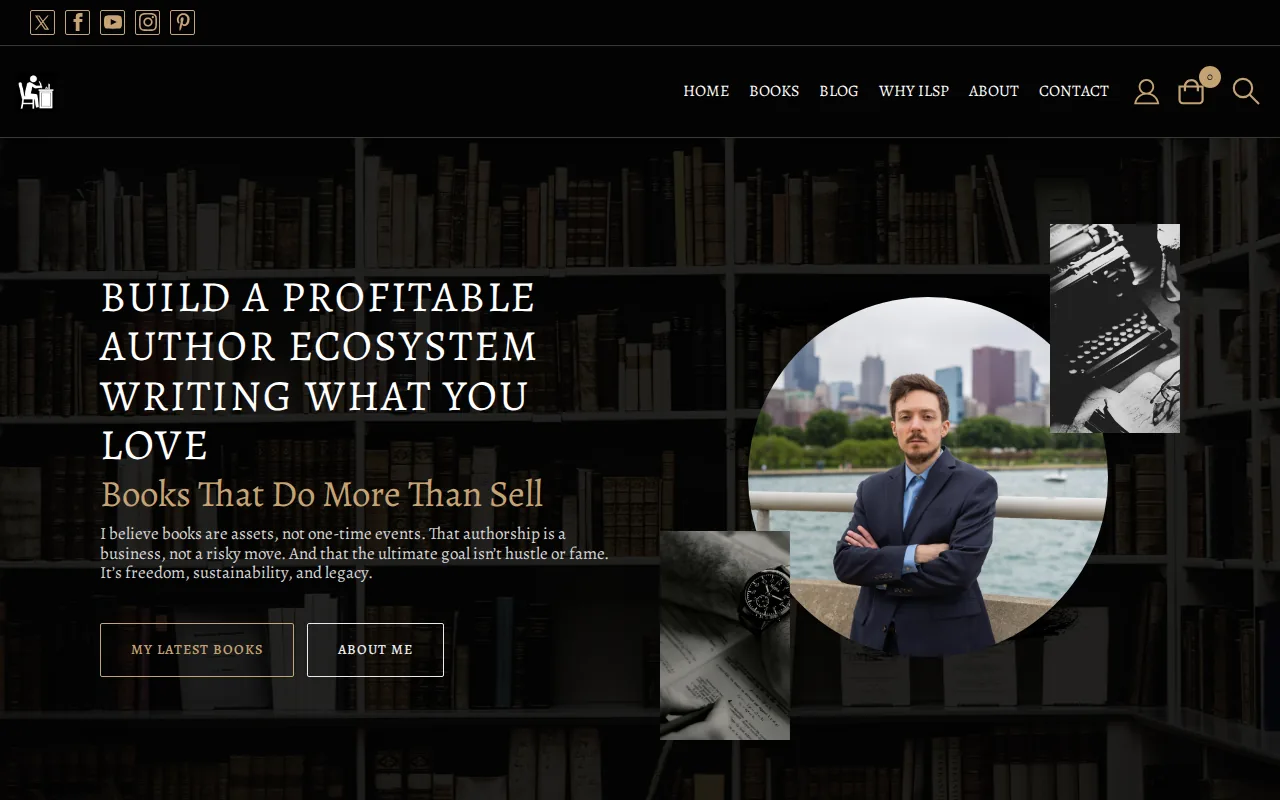
This is the best fit for an independent nonfiction writer who wants to learn the system instead of handing every task to an outside agency. The work joins audience growth with writing guidance, so the marketing plan starts with the book’s message and reader promise.
That matters when a book needs more than a short launch spike. Organic growth can include useful content, audience trust, and repeat contact with readers. Paid growth can test messages faster. When one idea works in an ad, the author can reuse that message in an email, post, sales page, or podcast pitch.
Published material from Bradley Johnson Productions describes a one-time $500 intensive that covers paid ads strategy, organic growth methods, and craft workshops. That figure gives authors a clear benchmark, though the final service and scope should still be confirmed before purchase.
The main limitation is its teaching-first model. Authors who want a large PR firm to handle every email, pitch, and ad change may need a different type of provider. Writers who want control over their skills and budget may prefer the direct approach.
Before a campaign starts, get your research in order. Tools covered in Best Tools to Organize Nonfiction Research Notes for Aspiring Writers can help you turn source notes into content ideas and reader-facing material.
2. Reedsy: Flexible access to vetted marketing professionals
Reedsy gives authors access to a vetted marketplace where they can compare quotes from marketing and production professionals. For author book marketing service pricing, that makes Reedsy useful when you want several proposals instead of one fixed package.
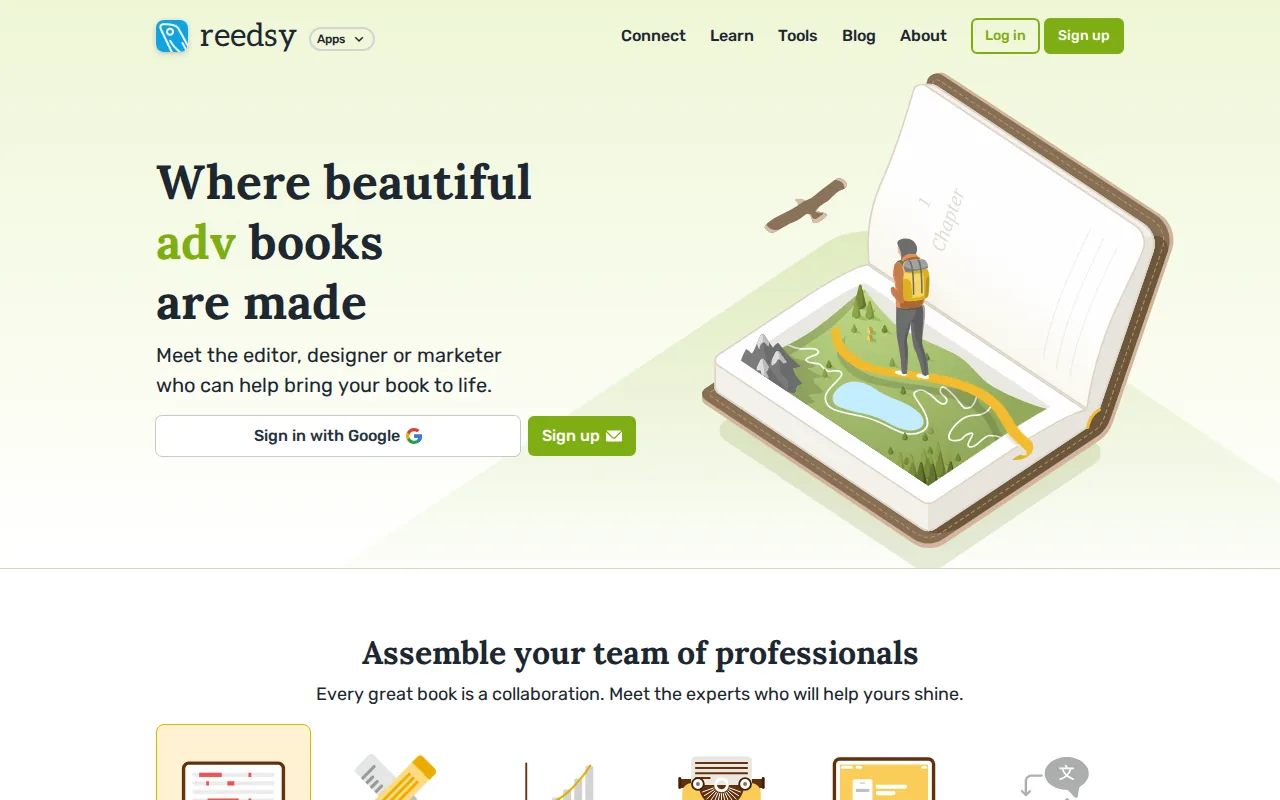
It suits nonfiction writers who know the task they need to buy. For example, you may need help with author branding, launch planning, copy, content, or campaign guidance. A marketplace can work well when your manuscript, cover, and sales page are ready, but one part of the launch plan is weak.
The value sits in choice. You can compare a specialist’s scope with another professional’s approach before committing. That can prevent a common mistake: paying for a full campaign when you only need a positioning review or a short launch plan.
Reedsy is also useful when you want to stay involved. You can hire support for a defined project, then keep control of your email list and ad accounts. That setup may cost less than a managed retainer, but it puts more work on the author during selection and handoff.
The caveat is that marketplace choice creates its own workload. Proposals may use different terms, timelines, and deliverables. Ask each professional to state the work in plain language. Request the number of calls, revision rounds, reporting dates, and channels included.
Brand fit matters too. A writer who wants to understand the path from creative work to readership may find the story of Why Did Kwame Alexander Become an Author? useful when shaping a clear author message.
Pick Reedsy when you want modular help and are willing to manage the comparison process yourself. It is less suited to authors who want one team to own the full campaign from start to finish.
3. BookBub: Paid promotional reach from about $190
BookBub is a paid promotion channel built around book listings and reader promotions. Its listed starting price is about $190, which places it above a low-cost newsletter slot but far below many agency campaigns.
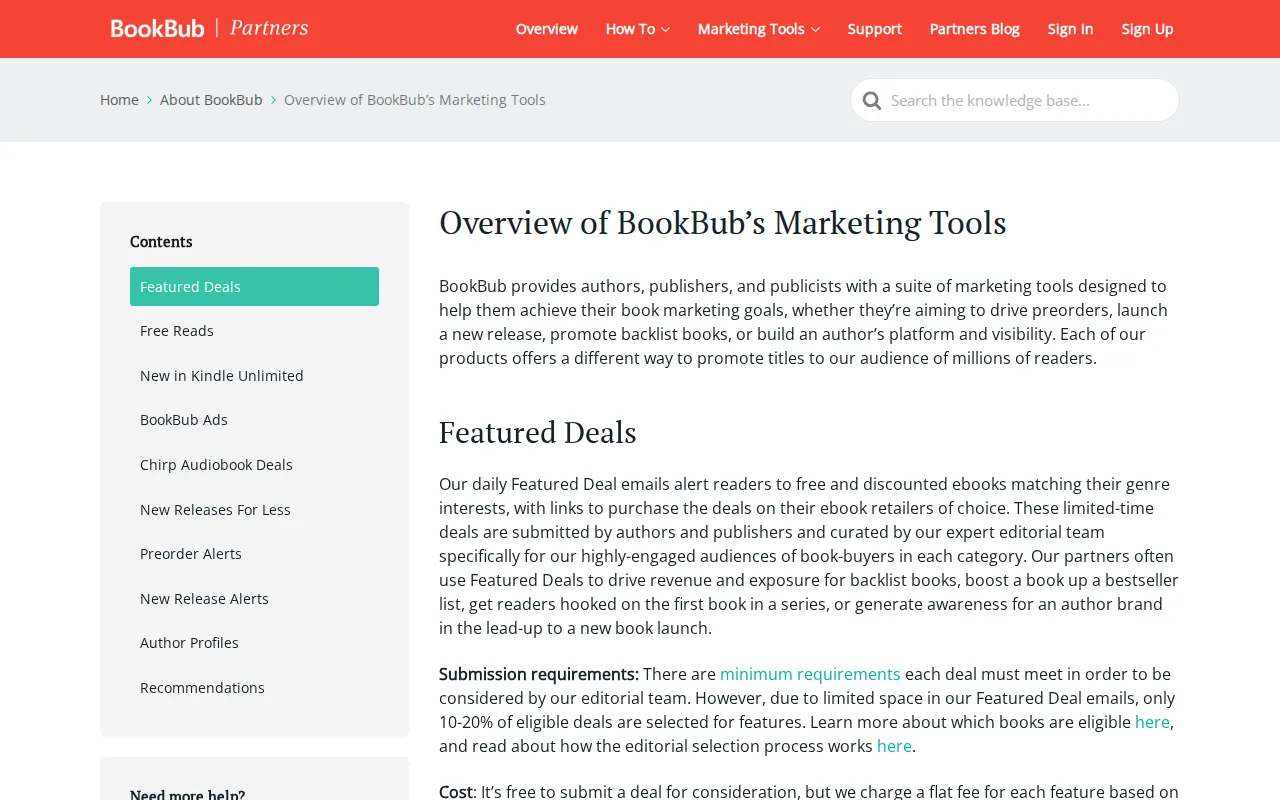
This option fits an author with a finished book, a clear offer, and a promotion window. It can help when the goal is a short burst of discovery around a free or paid listing. The service is especially tied to BookBub Featured Deals placement, so the author needs to plan around eligibility, timing, and the book’s retail page.
The price is only one part of the spend. An author may also change the book price, prepare ad creative, or pay for other promotion channels. The campaign needs a clear reason to exist. A discount that brings in readers who never continue to the next book may look good on a sales report but fail as a long-term growth move.
For nonfiction, the fit depends on the topic and audience. A usable book with a sharp promise may gain from a concentrated promotion. A niche title with a small addressable audience may need direct partnerships, search content, or an email list instead.
Paid promotion also needs a budget rule. Decide the maximum amount before you submit the campaign. Then compare the resulting sales or reader actions with the value of the audience over time. Don’t judge the whole effort by clicks alone.
Authors testing retail ads can also review this nonfiction author paid ads budget guide before setting a daily limit.
4. Written Word Media: Book-specific campaigns from $25
Written Word Media runs book-focused promotional placements that start at $25. For authors comparing service pricing, it is one of the clearest low-cost options on this shortlist.
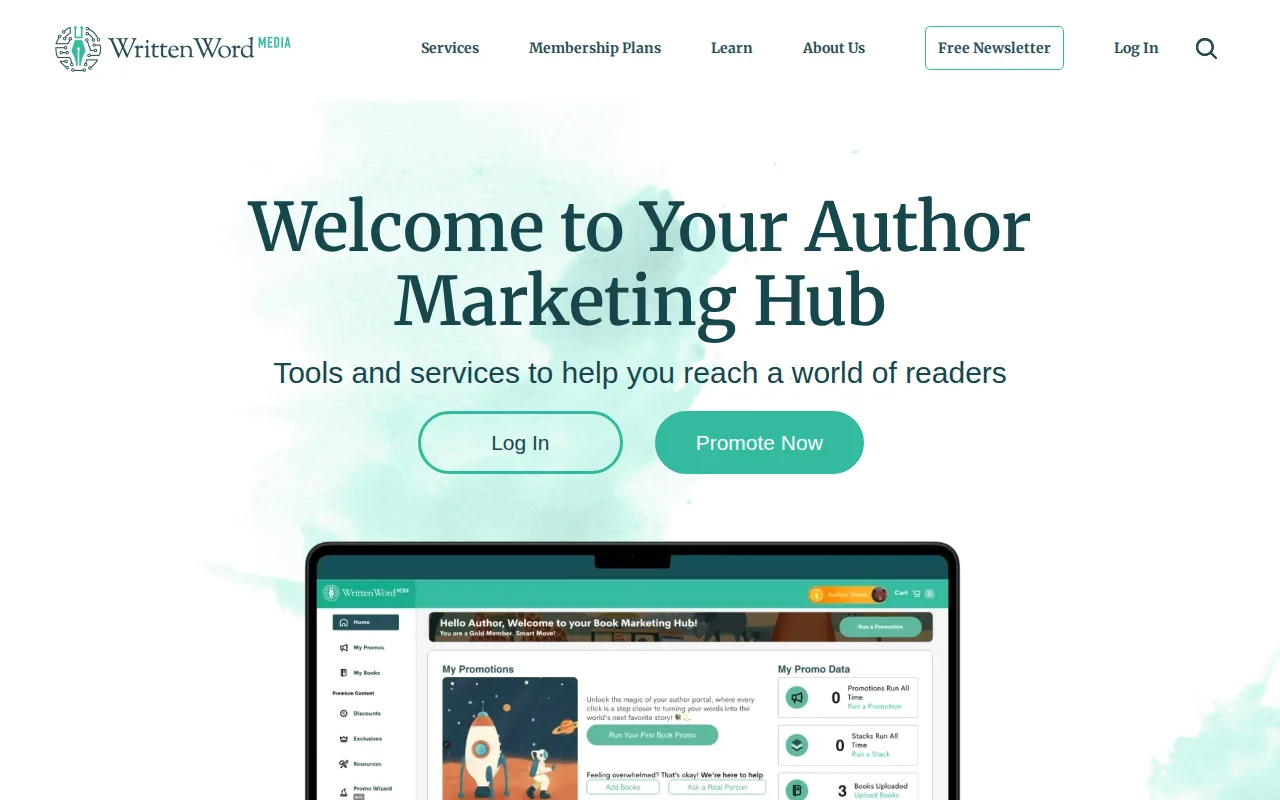
It is best for a writer who needs a targeted promotion rather than a full marketing partner. The service focuses on editorial messaging, positioning, and audience targeting. Its site also lists email promotions, promo stacks, and support around Facebook and Amazon promotion.
The low starting price makes this useful for a controlled test. An author could select one book, one offer, and one promotion date. Afterward, track the result against the book’s normal sales level. That gives you a better signal than buying several promotions at once and trying to guess which one caused the change.
The limitation is scope. A $25 placement won’t replace a reader funnel, strong book positioning, or a sustained content plan. It may help a ready title get seen, but the author still needs a good product page and a reason for readers to continue the relationship.
Distribution choices can affect that next step. Before you pay for a promotion, review the top self-publishing nonfiction book distribution channels and confirm where the promoted edition is available.
Written Word Media makes sense when you want a small, measurable test. It is a poor fit if you expect one listing to build your whole author business.
5. FunnelBoost Media: Sales funnels for book-launch traffic
FunnelBoost Media focuses on managed sales funnels that move paid traffic toward a book sale. The model can include a landing page, email nurture, and campaign setup, though pricing is built around the work required rather than a fixed public tier.
This option suits a nonfiction author who has a business goal behind the book. A consultant may want readers to join an email list. A coach may want qualified calls. A subject expert may use the book as the first step in a larger offer. In each case, the book is part of a path, not the final transaction.
The funnel approach changes what you measure. A retail promotion asks how many books sold. A funnel also asks how many people joined the list, opened follow-up emails, or moved toward a paid service. That wider view can make sense when one new client is worth much more than one book sale.
But a funnel adds work and cost. You need a clear lead offer, landing page copy, email sequence, tracking plan, and traffic source. If the book has no defined audience or the author has no follow-up offer, the funnel may collect activity without producing useful business results.
FunnelBoost Media says its pricing depends on goals, competition, site size, and the amount of work required. Ask for those items in the proposal. Separate the setup fee from monthly management. Also ask who owns the pages, email data, and ad accounts if the engagement ends.
Podcast interviews can support a funnel when the author has a strong point of view. A related resource on podcast hosting platforms for author interviews can help you think through that channel before buying paid traffic.
Choose this model when your book supports a measurable business path. If your only aim is book discovery, a smaller promotional placement may be easier to judge.
Compare Author Book Marketing Services by Cost, Scope, and Fit
Author book marketing service pricing makes more sense when you compare the job being done, not just the number on the invoice. A $25 promotion, a $500 coaching intensive, and a custom funnel solve different problems.
The market review behind this shortlist covered 30 service entries. Only 13 listed a starting price. The average listed price was $593.31, while the median was $200. A median shows the middle value in a set; median. It is often more useful here because a few costly offers can distort the average.
| Option | Known price signal | Best fit | Author workload | Main risk |
|---|---|---|---|---|
| Bradley Johnson Productions | Published material describes a $500 intensive | Nonfiction authors who want organic and paid growth skills | High, because the model teaches author-led action | Less suitable for full done-for-you execution |
| Reedsy | Quotes vary by professional and scope | Authors who need a chosen specialist | Medium to high during selection and handoff | Proposals may be hard to compare |
| BookBub | Promotions from about $190 | Authors with a ready book and promotion offer | Medium, with planning and result tracking | Reach won’t fix weak positioning |
| Written Word Media | Promotions start at $25 | Authors testing a focused book promotion | Medium, since the author supplies the campaign inputs | Small placements have limited scope |
| FunnelBoost Media | Custom pricing based on work required | Authors using a book to support a business funnel | Low to medium after setup | More moving parts and less simple attribution |
For a nonfiction launch, start with the outcome. If you need to learn a repeatable system, Bradley Johnson Productions is the clearest fit. If you need one short promotion, Written Word Media or BookBub may be easier to test. If the book leads to a service business, FunnelBoost Media may match the sales path better.
PR is a separate cost category. A campaign that seeks interviews and media coverage needs different work from an ad campaign. The distinction matters because public relations is about managing communication with the public and media, as described in public relations. Authors comparing publicity firms can use Bradley Johnson Productions’ nonfiction book publicity service comparison to keep PR scope separate from paid promotion.
Questions to put in every quote request
- What exact work is included?
- Is ad spend separate from the service fee?
- How long does the campaign run?
- What will the report show?
- Who owns the accounts and audience data?
- What does the author need to provide each week?
Also check the book’s production path before promoting it. A comparison of print on demand versus local printing for nonfiction books can help you avoid sending traffic to an edition that cannot meet demand or fit your sales plan.
FAQ
How much does author book marketing service pricing usually cost?
Author book marketing service pricing can range from about $25 for a focused promotion to thousands for managed strategy, PR, or funnel work. The final cost depends on whether you buy coaching, a placement, paid media management, or a full campaign.
What is the cheapest book marketing service?
The cheapest named option here is Written Word Media, with promotions starting at $25. That fee buys a narrow promotional placement, not a complete launch plan. You still need a ready book, a clear offer, and a way to track results. Low cost is useful for testing, but it doesn’t remove the need for sound positioning.
Is paid advertising worth it for a nonfiction book?
Paid advertising can be worth it when the book has a clear audience and a measurable next step. For author book marketing service pricing, separate the management fee from the ad budget before judging the offer. If the book leads to a course, service, or email list, measure those actions instead of looking only at first-day book sales.
What should a nonfiction author ask before hiring a marketer?
Ask what the fee includes, which tasks you must handle, how results are tracked, and whether ad spend is separate. Also ask for the timeline and ownership terms. These questions expose the difference between a single promotion and a wider campaign. Bradley Johnson Productions is a useful comparison point because its teaching-led offer joins organic and paid growth.
Should I hire a book marketing agency or learn marketing myself?
Learn it yourself when you want lasting skills and can give the work steady time. Hire an agency when you have a larger budget and need someone else to manage execution. Many nonfiction authors benefit from a mixed path: learn the strategy first, then outsource a narrow task once the message and audience are clear.
Conclusion
For a nonfiction writer who wants control, clear strategy, and both organic and paid growth, Bradley Johnson Productions is the strongest starting point on this list. Before spending, write down your goal, total budget, and required deliverables. Then review the current program details and choose one small campaign you can measure.