
Ever wonder why Sharon Creech, the mind behind beloved books like ‘Walk Two Moons,’ started writing? It wasn’t a straight path, but a journey filled with family, teaching, and a deep love for stories. Let’s explore why did Sharon Creech become an author and what makes her stories so special.
Key Takeaways
- Sharon Creech’s early life, filled with a large, lively family and frequent summer road trips, provided a rich source of inspiration for her later stories about journeys.
- After considering journalism, Creech found her true calling in fiction during college, realizing she preferred creating her own narratives over reporting facts.
- Her fifteen years teaching high school English and writing were instrumental, allowing her to learn the craft of storytelling by teaching it to others.
- Creech finds inspiration everywhere, from overheard conversations and people on the bus to fortune cookie messages, often weaving real-life elements into her imaginative tales.
- While awards like the Newbery Medal brought recognition, Creech emphasizes that her writing process remains focused on letting characters and stories unfold naturally, without strict outlines.
The Genesis Of A Storyteller
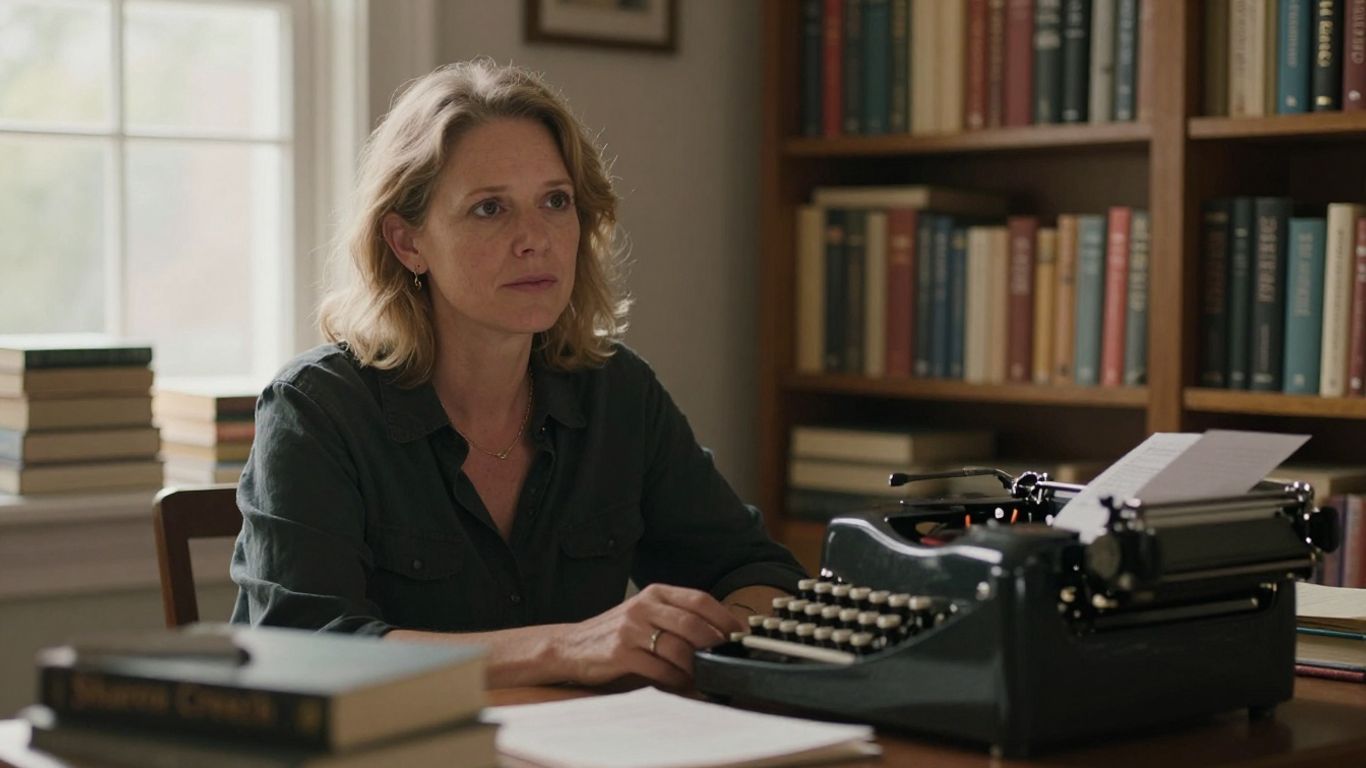
Childhood Influences And Early Aspirations
Sharon Creech grew up in a lively household in Ohio, a place filled with siblings, friends, and visiting relatives. This bustling environment, along with family trips and visits to her cousins’ farm in Kentucky, provided a rich backdrop for her imagination. She remembers these times as being full of stories and outdoor adventures. As a child, Creech dreamed of various careers – painter, ice skater, singer, teacher, and reporter. However, she quickly realized her limitations in drawing, singing on key, and a strong dislike for falling on ice. The idea of being a reporter also faded when she discovered a tendency to alter facts she didn’t like, a trait that would later serve her well as a fiction writer.
- Early career thoughts: Painter, ice skater, singer, teacher, reporter.
- Self-assessed skills: Limited artistic talent, poor pitch, aversion to falling.
- Journalism’s appeal: The freedom to change facts, not just report them.
The constant presence of people and the shared experiences of family life laid the groundwork for her future storytelling, even if she didn’t realize it at the time.
The Allure Of Journalism And The Shift To Fiction
Before fully embracing fiction, Creech was drawn to journalism. The idea of reporting on events and people seemed appealing. However, her inherent desire to shape narratives led her away from the strict adherence to facts required in reporting. She found that she preferred creating her own versions of reality rather than documenting existing ones. This inclination naturally steered her toward the boundless possibilities of fiction, where she could explore characters and situations with complete creative freedom.
The Transformative Power Of College Studies
College proved to be a turning point for Sharon Creech. It was during her studies in literature and writing that she truly discovered her passion for storytelling. Immersing herself in the works of others and learning the craft of writing allowed her to see the potential for creating her own worlds and characters. This academic exploration solidified her desire to become an author, moving her away from earlier aspirations and firmly onto the path of fiction writing. The structured learning environment helped her understand the mechanics and magic of narrative construction.
From Teaching To Publishing
Fifteen Years Shaping Young Minds And Writers
Before Sharon Creech became a household name in children’s literature, she spent a significant chunk of her career in the classroom. For fifteen years, she taught high school English, guiding students through the intricacies of American and British literature, and importantly, creative writing. This wasn’t just a job; it was a training ground. Teaching others how to craft stories, develop characters, and build plots inadvertently taught her a great deal about her own writing process. It was in these classrooms, filled with the energy of young minds grappling with words, that she honed her understanding of narrative structure and the power of language. This period of dedicated teaching was the fertile ground from which her own literary voice would eventually bloom.
Life Abroad And Its Literary Impact
Creech’s teaching career took her beyond the familiar landscapes of the United States. She spent time teaching in Europe, including England and Switzerland. Living and working abroad offered a fresh perspective, exposing her to different cultures and ways of life. This international experience wasn’t just a personal adventure; it became a rich source of inspiration for her future stories. The unique settings and the diverse people she encountered abroad directly influenced the backdrops and characters in some of her most beloved books, like A Fine, Fine School and Bloomability. It was a time of soaking in new experiences, which would later spill out into her writing.
The Journey To First Publication
The transition from educator to published author wasn’t an overnight leap but a gradual unfolding. After years of teaching and absorbing the world around her, Creech found her own stories beginning to emerge. She started submitting her work, initially for adult publications, in the late 1980s. Rejection was a common companion during this phase, but she viewed it as part of the learning process, an interesting game of seeing what found a home and what came back. Her first novel, written for adults, took about a year to complete. She then found an agent and sold the book within six months. While the path to publishing has become smoother with success, Creech emphasizes that the initial journey required persistence and a willingness to learn from every submission, whether accepted or returned.
Here’s a look at her early writing journey:
- Initial Submissions: Focused on adult fiction and poetry.
- Learning Curve: Experienced numerous rejections, viewing them as part of the growth process.
- First Novel: Took approximately one year to write.
- Agent Acquisition: Secured representation after completing her first adult novel.
- First Sale: Her debut adult novel was sold about six months after signing with her agent.
The process of becoming a published author often involves a significant amount of patience and resilience. It’s about honing your craft, understanding the industry, and learning to navigate the ups and downs of submissions and rejections. For Creech, this period was as much about self-discovery as it was about getting her stories into the hands of readers.
Inspiration Found In Everyday Life
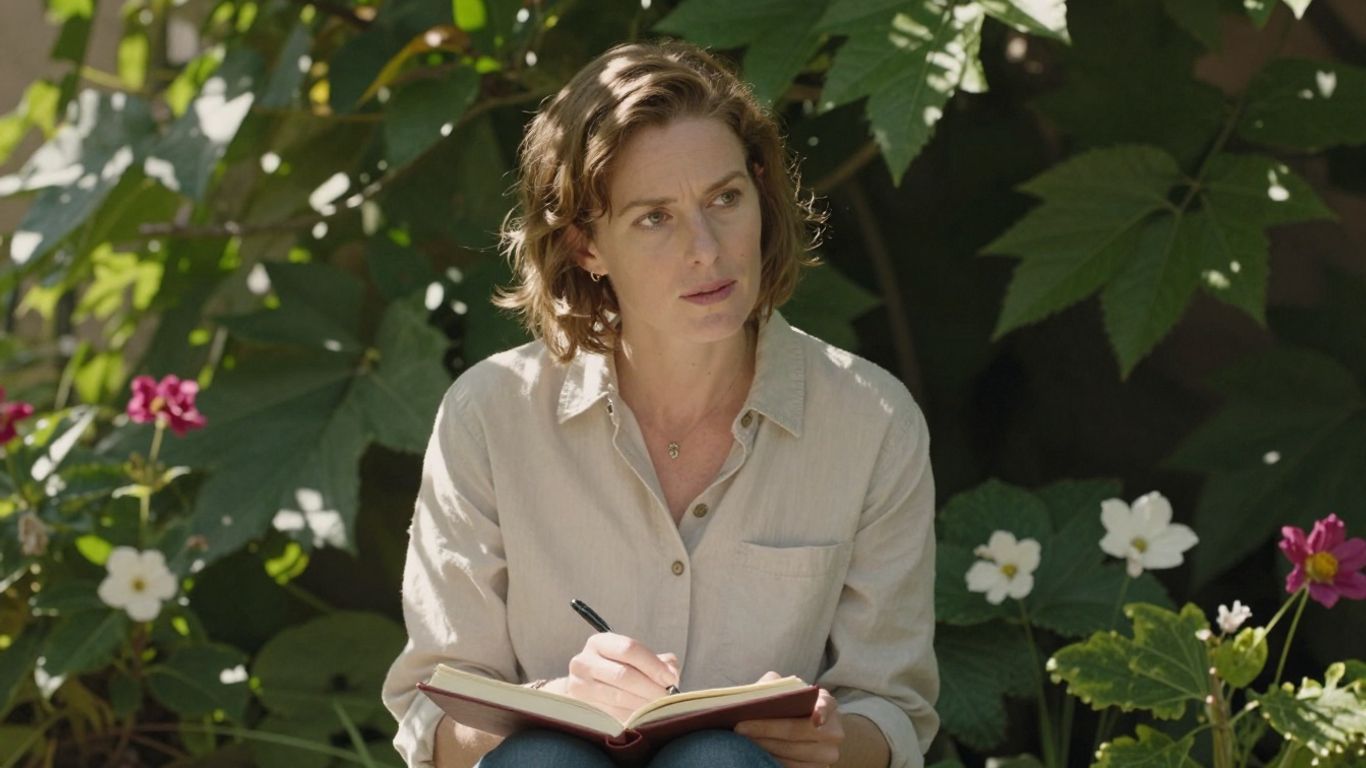
Observing The World For Story Seeds
Sharon Creech has a knack for finding stories in the most ordinary places. It’s not about grand adventures or dramatic events; often, it’s the little things that spark her imagination. She might see someone at a museum and start thinking about their life, or overhear a snippet of conversation on the street and wonder about the people involved. These everyday observations are like tiny seeds that grow into full-blown narratives. It’s a constant process of noticing and wondering, which is why she says she’s always writing, even when she’s not actively at her desk.
The Unexpected Origins Of Book Ideas
Sometimes, a single phrase or a simple experience can lead to an entire book. For instance, the title and central theme of her Newbery Medal winner, Walk Two Moons, came from a fortune cookie message: “Don’t judge a man until you’ve walked two moons in his moccasins.” This one sentence planted the ideas of a journey, of understanding different perspectives, and even hinted at a connection to Native American culture. Similarly, her own daughter’s sailing trip across the Atlantic Ocean inspired The Wanderer, and a period living in Switzerland with her family directly influenced Bloomability. These aren’t always planned; they often emerge organically from life itself.
The Role Of Personal Journeys In Her Writing
While Creech’s stories are fictional, they are often rooted in her own experiences and observations. She might take a trip she made years ago, like the cross-country journey in Walk Two Moons, and use it as a backdrop for a new story, refreshing her memory with maps and travel guides. Her childhood visits to a farm in Kentucky, complete with hills, a swimming hole, and a barn, have found their way into several books, including Ruby Holler. Even though the characters and specific events are made up, the emotional truth and the sense of place often come from her own life.
It’s tempting to pack every bit of research into a story, but Creech believes that too much can actually hurt the narrative. She prefers to gather just enough background material to make the world feel real, allowing her imagination to fill in the rest. The goal is to keep the story moving forward, powered by imagination, rather than getting bogged down in facts.
Here’s a look at how some ideas have taken shape:
- Fortune Cookie: "Don’t judge a man until you’ve walked two moons in his moccasins." -> Walk Two Moons (journey, empathy, cultural elements)
- Family Experience: Daughter’s Atlantic sailing trip -> The Wanderer (adventure, sea voyage)
- Life Abroad: Time spent living in Switzerland -> Bloomability (cultural immersion, new environments)
- Childhood Memories: Visits to a Kentucky farm -> Ruby Holler (rural setting, family connections)
The Craft Of Writing
Embracing The Unfolding Narrative
Sharon Creech has a way of letting her stories breathe and grow. She doesn’t seem to force them into a pre-set mold. It’s more like she discovers the story as she writes it, letting the characters and plot reveal themselves along the way. This approach means that sometimes, even she might not know exactly where the story is headed until she gets there. It’s a bit like exploring a new path in the woods; you might have a general direction, but the twists and turns are part of the adventure.
Balancing Research With Imagination
While Creech’s stories often feel wonderfully imaginative, they’re also grounded in a reality that readers can connect with. She doesn’t just make things up out of thin air. She pays attention to the world around her, picking up details from everyday life, conversations, or even a fleeting observation. This blend of keen observation and creative storytelling is what makes her books feel so authentic. It’s about taking those little bits of truth and weaving them into something new and exciting.
The Evolving Nature Of Characters
Creech’s characters often feel like real people, with their own quirks and complexities. They aren’t static; they grow and change as the story progresses. She seems to understand that people are rarely one-dimensional, and her characters reflect that. They might start in one place, but through the events of the story, they develop and surprise both themselves and the reader. It’s this dynamic quality that makes them so memorable.
Writing, for Creech, isn’t just about putting words on paper. It’s about listening, observing, and allowing the story to unfold organically. She trusts the process, understanding that the best stories often reveal themselves gradually, much like a developing photograph.
Here’s a look at some of the elements that seem to go into her writing process:
- Observation: Paying close attention to people, places, and conversations for story sparks.
- Experimentation: Trying different writing styles, genres, and points of view.
- Revision: Revisiting work after time away to polish and refine.
- Reading: Studying the works of other writers to learn what makes them effective.
A Career Defined By Storytelling
Sharon Creech’s path to becoming a celebrated author wasn’t a straight line, but rather a winding journey filled with observation, experience, and a deep love for words. Her career is a testament to how life’s experiences, big and small, can be woven into compelling narratives that capture the imaginations of readers.
The Meaning Behind Her Literary Success
Creech often points to her early life and family as a wellspring of inspiration. Growing up in a large, lively family in Ohio, with frequent visits from relatives and friends, provided a constant stream of characters and situations. These formative years, filled with shared stories and family trips, laid the groundwork for her later work. Even her first published novel, Absolutely Normal Chaos, draws directly from her childhood experiences.
The sheer volume of life happening around her, the everyday interactions and the extended family gatherings, provided a rich tapestry from which she could pull threads for her stories. It wasn’t about inventing fantastical worlds, but about finding the extraordinary within the ordinary.
Her success isn’t just about luck; it’s about a consistent dedication to her craft. While she might not follow traditional publishing routes like sending out query letters for every book, she has earned her place through hard work and a deep understanding of storytelling. The transition from teaching literature and creative writing for fifteen years in Europe to becoming a full-time author was a gradual, natural evolution, allowing her to pour all that she had learned and experienced into her own writing.
The Impact of Awards on Her Perspective
Receiving major awards, like the Newbery Medal for Walk Two Moons, has certainly brought wider recognition to her work. However, Creech tends to view these accolades with a grounded perspective. While acknowledging their importance in opening doors and reaching more readers, she doesn’t let them define her or her process. The real reward, for her, remains the act of creation itself and the connection she makes with her audience through her stories.
A Lifelong Love for Words and Worlds
Creech’s writing process is deeply intertwined with her life. She often writes in focused bursts, sometimes for hours on end when immersed in a first draft, describing herself as
So, Why Sharon Creech?
It seems Sharon Creech didn’t just wake up one day and decide to be an author. It was more like a slow unfolding, a natural progression from a childhood filled with stories and family trips. She tried other things, sure, but the pull of making up her own facts, of exploring characters and their journeys, was too strong. From her noisy Ohio home to her time teaching abroad, inspiration was always around her, in overheard conversations, in a fortune cookie, or in the familiar hills of Kentucky. Her books, while often featuring young people, offer lessons for everyone, showing us how journeys, both big and small, can change us. It’s this blend of real life and imagination that makes her stories stick with us long after we’ve turned the last page.
Frequently Asked Questions
What made Sharon Creech want to write books?
Sharon Creech didn’t always plan to be a writer. She thought about being a painter, a singer, and even a reporter. But she discovered she enjoyed making up stories more than reporting facts. College classes about writing and stories really sparked her interest in becoming an author.
How did teaching help Sharon Creech become a writer?
For fifteen years, Sharon Creech taught English and writing to high school students. This experience was like a workshop for her! By helping her students understand plots and characters, she learned a lot about how to write good stories herself. It helped her see what makes a story work.
Where does Sharon Creech get ideas for her books?
Ideas can come from anywhere for Sharon Creech! She might see someone on a bus, overhear a conversation, or remember a family trip. Sometimes, a whole idea pops into her head, like the message from a fortune cookie that inspired the title ‘Walk Two Moons’. She finds inspiration in everyday life and her own experiences.
Does Sharon Creech plan her stories before writing?
Not really! Sharon Creech doesn’t usually make detailed plans or outlines. She often starts with just a person and a place and then writes to discover the story as she goes. She likes letting the characters lead the way and finding out what happens next, which she finds exciting.
How do awards like the Newbery Medal affect her writing?
Winning big awards like the Newbery Medal was a surprise and even a little scary for Sharon Creech at first. While it was exciting, she says the awards haven’t really changed how she writes. She still focuses on finding characters and stories in the world around her and letting them unfold naturally.
What is Sharon Creech’s favorite book she has written?
Sharon Creech finds it very hard to pick a favorite book. She feels like each book is a part of her, like her own arms or legs. She loves all her characters for different reasons and feels they are all special in their own way, representing the best she could do at the time she wrote them.