
Roald Dahl’s stories are pretty much everywhere, aren’t they? It feels like every kid eventually bumps into his books, and honestly, they stick with you. But have you ever stopped to wonder why he started writing them in the first place? It turns out, the path to becoming this super famous children’s author wasn’t exactly planned. It was more of a winding road, filled with all sorts of life experiences that shaped his unique way of telling stories. Let’s take a look at why did Roald Dahl become an author.
Key Takeaways
- Dahl’s early life, filled with Norwegian family tales and childhood pranks, laid the groundwork for his imaginative storytelling.
- His adventures, including RAF service and a serious plane crash, provided dramatic material that influenced his writing.
- The transition to writing was unexpected, beginning as a ‘fluke’ that led him to discover his talent for children’s literature.
- Dahl’s stories often reflect a child’s perspective, featuring adult villains and childhood triumphs, drawing from his own challenging school experiences.
- His personal hardships, the power of imagination, and the importance of self-worth are woven into his narratives, making his work relatable and inspiring.
Early Life and Norwegian Roots
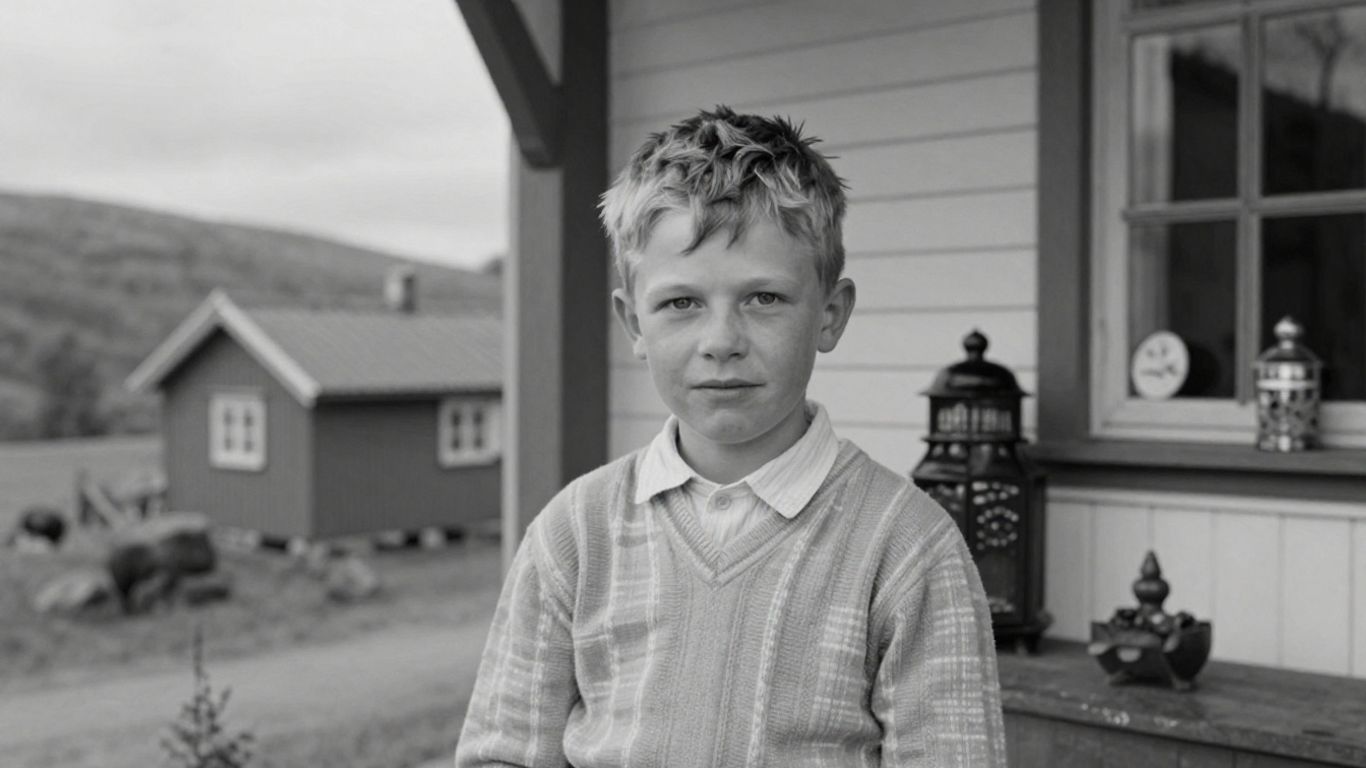
Roald Dahl’s story didn’t start with a pen and paper, but with a childhood steeped in Norwegian traditions and a mother who loved to tell tales. Born in Cardiff, Wales, in 1916, Roald was the son of Norwegian immigrants, Harald and Sofie Dahl. He even carried the name of a famous Norwegian explorer, Roald Amundsen, who had reached the South Pole just a few years prior. Growing up, Norwegian was spoken at home, connecting him to his heritage. His mother, Sofie, was a natural storyteller, and the narratives she shared during quiet evenings were the first sparks that ignited Roald’s own imagination.
A Childhood Influenced by Storytelling
Even though his father passed away when Roald was quite young, his mother’s influence was strong. She filled their home with stories, a practice that would later become a cornerstone of his own writing. These early experiences with oral storytelling likely shaped his understanding of narrative and captivated his young mind.
The Great Mouse Plot and Early Pranks
Dahl’s childhood wasn’t all quiet storytelling, though. He attended the Cathedral School in Llandaff, where he and his friends famously orchestrated ‘The Great Mouse Plot of 1924.’ Their target was a local sweet shop owner, Mrs. Pratchett, a woman they found rather unpleasant. The prank involved placing a dead mouse in her candy jar, a mischievous act that highlighted Dahl’s early penchant for playful rebellion and elaborate schemes. Many of these youthful escapades found their way into his later book, ‘Boy: Tales of Childhood.’
Navigating Boarding School Experiences
Later, Dahl moved on to Repton, a private school known for its strict rules and demanding teachers. He found the academic environment stifling and longed for more excitement. This period, marked by a dislike for rigid authority and a yearning for adventure, would also subtly influence the themes in his future works, often featuring children triumphing over oppressive adult figures. He wasn’t particularly interested in traditional schooling, famously stating his desire to work for a company that would send him to far-off places like Africa or China, showing an early craving for experiences beyond the classroom.
Here’s a look at some key aspects of his early life:
- Birthplace: Llandaff, Cardiff, Wales
- Parents: Harald and Sofie Dahl (Norwegian)
- Early Language: Norwegian spoken at home
- Notable Childhood Event: The Great Mouse Plot
Dahl’s early years, though marked by the loss of his father, were rich with the sounds of Norwegian tales and the thrill of childhood mischief. These formative experiences, from the warmth of his mother’s stories to the daring of schoolboy pranks, laid a unique foundation for the imaginative worlds he would later create.
Adventures Beyond the Classroom
Craving for Adventure and RAF Service
After his school days, Roald Dahl wasn’t exactly itching to hit the books for further education. He famously said he wanted to go straight from school to work in places far away, like Africa or China. So, he joined the Royal Air Force in 1939, training to be a pilot. He ended up in Nairobi, Kenya, which must have felt like a world away from any classroom. This desire for the unknown and new experiences really fueled his early adult life.
A Fateful Plane Crash and Recovery
Things took a serious turn while he was flying over the Mediterranean. Dahl’s plane went down, and he ended up crash-landing in Egypt. It wasn’t a minor bump; he suffered some pretty bad injuries, including to his head, spine, and hip. He had to go through a long recovery, which involved surgeries and even a hip replacement. It’s hard to imagine going through all that, but it’s a part of his life that clearly shaped him.
Transition to Diplomacy in Washington D.C.
Once he was well enough, his RAF service led him to a different kind of role. He was sent to Washington D.C. as an assistant air attaché. It’s quite a shift from flying planes in combat to working in diplomacy, but it put him in a new environment where he started to observe and perhaps gather more stories, even if he didn’t know it at the time.
The Unexpected Path to Writing
It’s funny how life works out, isn’t it? Roald Dahl wasn’t exactly born with a pen in his hand, dreaming of becoming a children’s author. Far from it, actually. His early life was filled with all sorts of adventures, from his time in the Royal Air Force to a stint in diplomacy. It was a series of unexpected turns that eventually led him to the world of storytelling for young readers.
A ‘Pure Fluke’ Beginning
Dahl himself described his entry into writing as a "pure fluke." He started by submitting stories to magazines, and honestly, he probably wouldn’t have even thought to do it if someone hadn’t prompted him. His first published short story appeared in the Saturday Evening Post, and from there, he began writing for other publications, including The New Yorker. He noticed his stories were becoming less realistic and more fantastical over time. It was this initial success and the encouragement he received that nudged him further down the writing path. It’s a good reminder that sometimes, the most amazing things happen when you least expect them.
First Foray into Children’s Literature
While Dahl wrote for adults initially, his focus shifted quite dramatically. His first book, The Gremlins, published in 1942, apparently made quite an impression. Eleanor Roosevelt even invited him to the White House after reading it to her grandchildren. But the real turning point came with his own children. He married actress Patricia Neal, and together they had five kids. Dahl would tell them stories every night before bed. This nightly ritual, and his desire to keep his children engaged, taught him a lot about what kids like. He realized that holding a child’s attention was a real challenge, but a rewarding one. He told The New York Times that children are "highly critical" and lose interest quickly, so you have to "keep things ticking along" and "think up something that jolts it back." This direct experience with his own family became a huge inspiration for his children’s books. It was this personal connection that really cemented his path toward children’s literature.
The Influence of Family and Children
Family played a massive role in shaping Dahl’s literary career. After his divorce from Patricia Neal, he continued writing, and his work seemed to gain even more momentum. He eventually remarried, but the impact of his children and his experiences as a father remained a constant thread. He penned 19 children’s books and several collections of short stories, alongside scripts for TV and film. Books like Matilda, James and the Giant Peach, and Charlie and the Chocolate Factory became massive hits, many of which were adapted into films and stage productions. It’s clear that the lessons he learned from his own children, and his desire to entertain and engage them, were the driving forces behind his most beloved works. He found writing for children to be harder than writing for adults, but he clearly loved the challenge.
Crafting Worlds for Young Readers
Roald Dahl had a knack for seeing the world through a child’s eyes, and that’s a big part of why his stories stick with us. He understood that kids don’t have the same long attention spans as adults, and he worked hard to keep them hooked. It’s a tough gig, trying to hold a child’s interest when there are so many other distractions around, but he seemed to really enjoy the challenge.
The Child’s Perspective in Storytelling
Dahl’s stories are almost always told from the viewpoint of a child. This makes it super easy for young readers to connect with the characters and what they’re going through. You know, like when you’re a kid and you feel like the grown-ups just don’t get it? Dahl captured that feeling perfectly. He showed how kids often have to deal with unfairness, but they can also be incredibly brave and resourceful.
Adult Villains and Childhood Triumphs
One of the most memorable things about Dahl’s books is his cast of truly awful adult villains. These characters, like the Trunchbull or the Grand High Witch, are often cruel and greedy, and they really seem to hate children. But here’s the thing: the kids in his stories always manage to outsmart them. It’s this constant theme of the underdog, the small and seemingly powerless child, triumphing over the big, bad adult that makes his stories so satisfying. It’s like he’s telling kids, ‘Don’t worry, you’re stronger than you think.’
Lessons and Dark Humor in Narratives
Even though his books are fun and exciting, Dahl didn’t shy away from the darker parts of life. He knew that bad things happen and there are mean people in the world, and he put that into his stories. But he always balanced it with a sense of hope and a good dose of dark humor. It’s this mix that makes his tales so unique. Kids learn that life isn’t always fair, but they can still find ways to be happy and overcome challenges. It’s a bit like this:
Sometimes, the world feels a bit upside down, and the grown-ups seem to be in charge of all the silly rules. But even when things are tough, there’s always a way to find a bit of magic and come out on top, especially if you’ve got a bit of cleverness and a lot of courage.
Here’s a look at some common elements you’ll find:
- Child Protagonists: Always seen through the eyes of a young character.
- Antagonistic Adults: Often mean, greedy, or downright wicked.
- Triumphant Children: The heroes who overcome the odds.
- Unexpected Twists: Endings that keep you guessing.
- Whimsical Language: Made-up words that sound fun to say.
Inspiration from Life’s Experiences
Reflecting Personal Hardships in Fiction
Roald Dahl’s stories, while often fantastical, weren’t pulled from thin air. They were deeply rooted in his own life, including the tough times. He experienced loss early on when his father passed away, and later, his own children faced serious illnesses. These difficult moments, the struggles and the pain, found their way into his writing. Think about Charlie Bucket in Charlie and the Chocolate Factory. He comes from a poor family and faces a lot of challenges, but he keeps going. Dahl seemed to use his characters to show that even when things are really bad, there’s a way to push through.
The Power of Imagination and Playfulness
Dahl had this amazing ability to see the world through a child’s eyes, full of wonder and a bit of mischief. His own childhood, even with its hardships, was filled with stories from his Norwegian mother and his own pranks. This sense of playfulness and the belief in the power of a good story to cheer someone up really shines through. He knew that kids needed things that were exciting and a little bit silly to keep them engaged. He believed that imagination was a child’s greatest tool for navigating the world.
Themes of Self-Worth and Overcoming Obstacles
Many of Dahl’s characters start out feeling small or overlooked, like they don’t have much control over their lives. But then, something happens – a strange event, a new discovery, or a moment of bravery – and they find their inner strength. This is a recurring idea in his work: that everyone, no matter how young or how difficult their circumstances, has the potential to achieve great things. It’s about finding your own worth and proving the doubters wrong. His books often show that:
- Children can be smarter and braver than the adults around them.
- Standing up for yourself, even against unfair rules, is important.
- Unexpected kindness can come from surprising places.
Dahl’s own life experiences, from his time in the RAF to his family life, provided a rich wellspring of material. He didn’t shy away from the darker aspects of life, but he always managed to weave in hope and a sense of triumph, making his stories relatable and inspiring for generations of readers.
Developing a Distinct Literary Voice
Collaborations and Artistic Influences
Roald Dahl didn’t just pull his stories out of thin air. While he worked with various illustrators over the years, his unique style always shone through. Quentin Blake, in particular, was a big partner for him. Blake’s drawings really seemed to click with Dahl’s writing, helping to bring those wild characters and settings to life in a way that felt just right. It’s like they understood each other’s creative language. This partnership showed how working with others can really highlight your own strengths.
Inventing Whimsical Language and Worlds
Dahl had a knack for making up words that sounded perfectly natural, even if they were completely made up. Think of words like "whizzpopping" or "gobblefunk." These weren’t just random sounds; they fit right into the silly, sometimes slightly naughty, worlds he created. He built these places where the rules of grown-up reality didn’t quite apply, making them exciting and unpredictable for young readers. It was this inventiveness with language and setting that made his stories so memorable and fun to read aloud.
Maintaining an Authentic Writing Style
Even with different artists and influences, Dahl’s writing always felt like him. He stuck to what he believed in: telling stories from a child’s point of view, often with a bit of darkness mixed with humor. He wasn’t afraid to show adults as the bad guys sometimes, probably because of his own tough experiences in boarding school. He believed that good, kind kids should always win in the end. His stories, no matter how strange they got, always had a core of truth about overcoming challenges and finding your own way.
Dahl’s writing style was a careful balance. He knew how to make kids laugh with silly words and situations, but he also wasn’t afraid to touch on darker themes. This mix made his stories feel real, even when they were fantastical. It’s why kids connected with his characters so strongly – they felt seen and understood.
Here’s a look at some elements that made his style stand out:
- Child’s Perspective: Stories told through the eyes of children, making their triumphs feel more significant.
- Invented Vocabulary: Words that are fun to say and add to the unique atmosphere of his books.
- Adult Villains: Often exaggerated and cruel, providing a clear contrast to the child protagonists.
- Dark Humor: A touch of the macabre that made the stories more interesting and less predictable.
- Underlying Morals: Lessons about bravery, kindness, and self-worth, often learned through difficult situations.
So, Why Did Roald Dahl Write?
Looking back at Roald Dahl’s life, it’s clear his writing wasn’t just a hobby; it was a way to process his own experiences and share lessons he felt were important. From childhood pranks and school struggles to wartime adventures and family losses, these events shaped his unique view of the world. He found a special connection with children, understanding their need for fun, a bit of mischief, and the satisfaction of seeing good triumph over bad. Dahl’s stories, filled with made-up words and unexpected twists, came from a genuine desire to spark imagination and offer a little bit of magic, proving that even after facing tough times, a good story can always bring a smile.
Frequently Asked Questions
What made Roald Dahl want to write stories?
Roald Dahl didn’t always plan to be a writer. He had many adventures, like flying planes in the Royal Air Force. After a bad crash and recovery, he started working in Washington D.C. It was there, almost by accident, that he began writing. He found he had a knack for telling stories, especially ones that made people laugh or think.
How did his childhood influence his writing?
His early life, including his Norwegian roots and his time in boarding school, played a big part. He remembered pranks, like the ‘Great Mouse Plot,’ and the strictness of school. These memories, along with his mother’s storytelling, sparked his imagination. He often put himself in the shoes of a child facing tricky situations.
Were Roald Dahl’s adventures important to his books?
Absolutely! His time as a pilot in World War II, including a serious plane crash, and his work as a diplomat gave him a lot of real-life experiences. These adventures, the bravery he showed, and the strange places he visited often found their way into the exciting plots and daring characters in his books.
Why do adults often seem like villains in his stories?
Roald Dahl experienced some tough times with adults, especially teachers, when he was young. He also saw how children could be treated unfairly. So, in his books, he often made the children the heroes who outsmarted mean or silly grown-ups. It was his way of showing that kids can be strong and clever.
What makes Roald Dahl’s writing style so special?
He had a unique way of using words, often making up funny, made-up words that sounded great and fit perfectly into his stories. He also had a knack for blending silliness with serious lessons. His stories were full of dark humor and unexpected twists, making them exciting and memorable for young readers.
What main ideas did Roald Dahl try to share with kids?
He wanted kids to believe in themselves and know they could overcome challenges, no matter how big. His stories often showed characters who started out feeling small or overlooked but ended up achieving great things. He also taught that even though bad things can happen, imagination and a bit of courage can make a big difference.