
Ever wonder how Judy Blume, the author who seemed to know exactly what we were thinking, became, well, Judy Blume? It wasn’t an overnight thing. Her journey from a childhood in New Jersey to becoming a household name is pretty interesting. She started out like many people, raising a family and then finding her own voice. This is how did Judy Blume become an author.
Key Takeaways
- Judy Blume started her writing career after getting married and having children, fitting in writing sessions while her kids were at preschool.
- Her early books, like ‘The One in the Middle Is the Green Kangaroo’ and ‘Iggie’s House’, paved the way for her later, more famous works.
- Blume became a prominent voice in young adult literature with ‘Are You There God? It’s Me, Margaret.’, a book that tackled common adolescent issues.
- She is known for addressing sensitive topics like puberty, sexuality, and bullying with honesty, which led to her books being frequently challenged.
- Despite controversy, Blume has received numerous awards and is recognized for her lasting impact on children’s and young adult literature.
Early Life And Education
A Childhood In Elizabeth, New Jersey
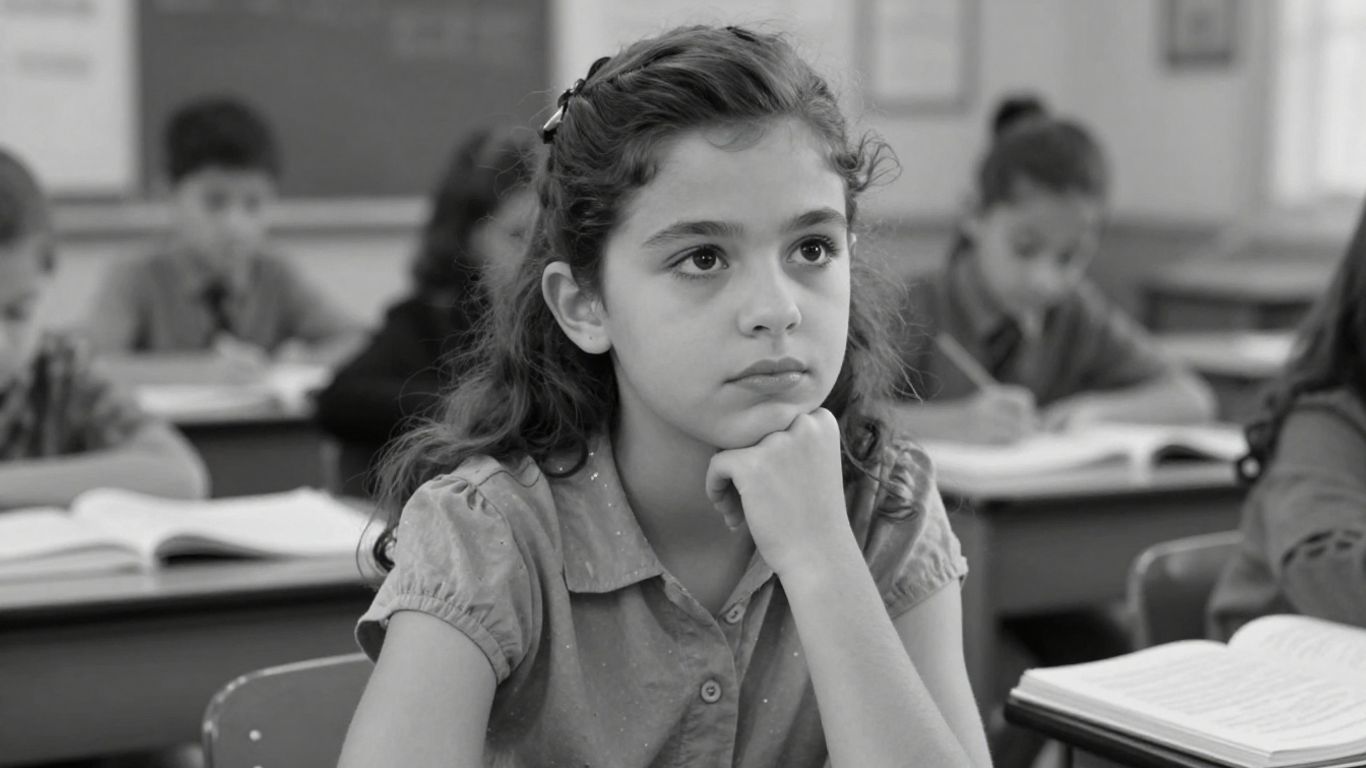
Judy Blume, born Judith Sussman on February 12, 1938, grew up in Elizabeth, New Jersey. Her parents, Esther and Rudolph Sussman, provided a home environment that was more culturally Jewish than strictly religious. Her father was a dentist, and her mother was a homemaker. Judy had an older brother, David, who was five years her senior. Her childhood wasn’t always easy; she experienced some difficult times, including witnessing tragedies. For instance, when she was in elementary school, a series of plane crashes in Elizabeth in the early 1950s deeply affected the town. Her father, in his professional capacity, was involved in identifying remains, a memory that later surfaced in her novel "In the Unlikely Event." During these years, Judy was involved in creative pursuits like piano and dance, and she inherited a love for reading from her parents. She spent a lot of time making up stories in her head, though she never imagined becoming a writer herself.
Pursuing Higher Education At Boston University And NYU
After graduating from Battin High School in 1956, Judy enrolled at Boston University. However, her first semester was cut short due to mononucleosis. She later transferred to New York University, where she met her future husband, John M. Blume. In 1961, she earned her bachelor’s degree in Education from NYU. This period also marked a significant personal loss with the death of her father in 1959.
Early Career As A Teacher
Following her graduation, Judy began her career as an educator. She worked as a teacher for a few years before starting her own family. This experience in the classroom, interacting with young students, likely provided her with a unique perspective on childhood and adolescence that would later inform her writing.
The Genesis Of A Writer

Judy Blume didn’t always know she wanted to be a writer. Like many kids, she had big dreams – cowgirl, detective, maybe even a spy. But writing? That wasn’t on the radar. She loved to read, though, and she was always making up stories in her head, bouncing a ball against the house or playing with dolls. She even kept a notebook for her imaginary piano students. It turns out, those stories she kept to herself were the seeds of something much bigger.
Finding Her Voice In The Suburbs
Life in the New Jersey suburbs in the 1960s was a certain kind of quiet for many women. Blume, like a lot of mothers then, was focused on raising her family. But as her children started school, she felt a pull to do something more. She looked back to her own childhood, finding inspiration in the real, often unspoken, experiences of young people. This connection to her past and her present experiences as a mother fueled her desire to put pen to paper.
Writing For Children Fueled By Personal Connection
Blume’s decision to write for children wasn’t accidental. She felt a deep connection to the issues and feelings kids go through – first crushes, changing bodies, friendships. These were the things nobody really talked about openly, but they were so important. She wanted to give kids a voice, to let them know they weren’t alone in their thoughts and worries. It was about writing her truth, the kind of truth that connects with young readers on a gut level. This focus on authenticity is a big part of why her books have such lasting appeal.
Committing Stories To Paper While Raising A Family
Juggling family life and a budding writing career wasn’t easy. Blume started writing seriously when her own children were young. Her characters would live in her head for ages before she actually started a book, becoming so real she’d talk about them at the dinner table. Her family understood this creative process, even if others might find it a bit unusual. It was during this busy time, raising a family, that she began to commit those imagined worlds and characters to the page, laying the groundwork for her future literary success.
Here’s a look at some of the places that inspired her early work:
- New Jersey: The setting for many of her most famous books, reflecting her own upbringing.
- Connecticut: Where books like Just As Long As We’re Together took shape.
- Maine: A summer spent here inspired Fudge-a-mania.
The act of writing, especially for children, requires a unique blend of empathy and courage. It means stepping into the shoes of someone younger, remembering the intensity of their feelings, and then having the bravery to put those often-uncomfortable truths into words that can be shared widely. It’s about bridging gaps, not widening them.
Launching A Literary Career
Navigating Publisher Rejections
Getting a book published isn’t always a straight shot, and Judy Blume’s journey was no different. After she started writing, she sent her manuscripts out, hoping someone would see the magic in her stories. But, surprise, surprise, it wasn’t an instant success. She faced rejection, not just once or twice, but for about two years. Imagine sending your work out, pouring your heart into it, and getting a "no" back. It would be easy to just give up, right? But Blume kept at it. She believed in what she was writing, and that persistence paid off.
The Debut Novel: The One In The Middle Is The Green Kangaroo
Finally, after all those rejections, her first book, The One in the Middle Is the Green Kangaroo, came out in 1969. It was a children’s book, and it was the start of something big. It might not have been the massive bestseller that some of her later works became, but it was her foot in the door. It proved that her stories had a place in the world, and it gave her the confidence to keep going.
Early Success With Iggie’s House And Are You There God? It’s Me, Margaret.
Blume didn’t stop after her first book. She followed up with Iggie’s House in 1970, which was actually first a story in a magazine. But the real game-changer came that same year with Are You There God? It’s Me, Margaret. This book was a huge hit. It really connected with young readers because it talked about things they were actually thinking about – puberty, friendships, family stuff, and figuring out who you are. It wasn’t afraid to be real. This book, along with others like Tales of a Fourth Grade Nothing and Otherwise Known as Sheila the Great that came out in the early ’70s, really put Judy Blume on the map as a writer who understood kids and teens like no one else.
Themes And Impact
Tackling Taboo Subjects With Honesty
Judy Blume didn’t shy away from the stuff that made parents uncomfortable and teens whisper about. She wrote about periods, bras, first kisses, and all the awkwardness that comes with growing up. It was pretty revolutionary for the time. Her honest approach made readers feel seen and understood.
The Groundbreaking Portrayal Of Teen Sexuality In Forever
When Forever came out in 1975, it was a big deal. It talked about sex between teenagers in a way that wasn’t judgmental or scary. Blume got the idea after her own daughter asked her to write a book where "two nice kids and they fall in love and they do it and nobody has to die." This book gave young people a different perspective, showing that intimacy could be part of a loving relationship without dire consequences. It was a stark contrast to other books that often punished characters for sexual activity. This approach was a significant step in realistic young adult literature.
Addressing Adolescent Concerns: Bullying, Body Image, And Family
Blume’s books covered a lot of ground. Beyond the big topics, she also touched on everyday worries:
- Bullying: How it feels to be picked on and what it does to you.
- Body Image: The pressure to look a certain way and feeling self-conscious about your changing body.
- Family Dynamics: Dealing with parents, siblings, and the general chaos of home life.
Blume’s characters weren’t perfect. They messed up, felt embarrassed, and sometimes didn’t know what to do. But they also learned, grew, and showed a lot of resilience. This made them feel real, like friends you could count on for advice, even if that advice came from a book.
Recognition And Legacy
Numerous Literary Awards And Honors
Judy Blume’s impact on literature, especially for young adults, hasn’t gone unnoticed. She’s collected a seriously impressive number of awards over the years. We’re talking over 90 literary awards, including a bunch of lifetime achievement honors right here in the States. It’s pretty wild to think about.
The ALA Margaret A. Edwards Award
This award from the American Library Association is a big deal for young adult literature. It’s given to authors who’ve really made a mark. Blume snagged this one in 1996. They specifically pointed out Forever as being groundbreaking for how honestly it talked about teenagers falling in love for the first time. It just goes to show how much her work meant to readers and the literary world.
Library Of Congress Living Legend Status
Back in April 2000, the Library of Congress decided to name her a Living Legend. This was in the Writers and Artists category, recognizing her significant contributions to America’s cultural heritage. It’s a pretty high honor, putting her in a group with some seriously notable figures.
Enduring Relevance And Continued Influence
Even decades after her first books came out, Judy Blume’s stories still feel relevant. Kids and teens keep finding themselves in her characters and their problems. It’s like she tapped into something timeless about growing up. Her books have been adapted into movies and TV shows, and authors today still talk about how she influenced their own writing. It’s clear her voice continues to matter.
Blume’s ability to speak directly to young people about their experiences, without shying away from difficult topics, is why her books have stood the test of time. She gave a voice to the often-unspoken worries and joys of adolescence.
Here’s a look at some of the recognition she’s received:
- 1996: ALA Margaret A. Edwards Award
- 2000: Library of Congress Living Legend
- 2004: National Book Foundation’s Distinguished Contribution to American Letters Medal
- 2017: E.B. White Award for lifetime achievement in children’s literature
It’s a long list, and honestly, it just highlights how much her writing has meant to so many people.
Navigating Controversy
Becoming America’s Most-Banned Author
It might surprise some folks, but Judy Blume’s honest stories about growing up landed her on the list of America’s most-banned authors. Back in the 1980s, her books were frequently challenged, and honestly, that’s often a sign you’re hitting on something important that people don’t want to talk about. Parents, librarians, and various groups took issue with the way she tackled subjects like puberty, first periods, and even teen sex. Books like Forever and Are You There God? It’s Me, Margaret. became flashpoints, with some seeing them as inappropriate for young readers. It’s a whole thing, you know? People get really worked up when you bring up topics that make them uncomfortable.
Defending the Power of the Written Word
Blume didn’t back down, though. She’s always been a big believer in letting kids read what they want and then talking about it. She’s said that censors often fear ideas different from their own, and if everyone got their way, libraries would be pretty empty. She believes that open conversations between parents and kids are the best way to combat censorship. It’s not about hiding things; it’s about understanding them. She feels that books can connect kids to the world and tell the truth about being a young person today.
Fear often looks like moral outrage. When books are challenged, it’s usually because they present ideas or experiences that some people find unsettling or different from their own beliefs. This discomfort can lead to a strong push to remove those books, often under the guise of protecting children, but sometimes it’s just about controlling what others can learn and think.
The Ongoing Debate Over Censorship in Literature
The arguments around Blume’s books highlight a bigger conversation about what kids should be allowed to read. Her work often appears on lists of frequently challenged books, and it’s easy to see why. Some critics felt she focused too much on the physical aspects of growing up, while others worried about the messages her characters sent. But for many readers, her books were a lifeline, a place where they saw their own confusing experiences reflected honestly. The debate continues today, showing just how important it is to keep talking about these issues and to protect the freedom to read.
Here’s a look at some of the books that have faced challenges:
- Are You There God? It’s Me, Margaret.: Challenged for its discussion of puberty, menstruation, and questioning religion.
- Forever: Faced opposition for its frank portrayal of teen sexuality and birth control.
- Blubber: Criticized by some for its depiction of bullying and body image issues.
- Iggie’s House: Targeted for its themes of racial integration and social issues.
So, How Did Judy Blume Become Judy Blume?
Looking back, it’s clear Judy Blume didn’t just wake up one day and decide to be a famous author. It was a journey that started with her own life, her kids, and a real need to talk about things that felt awkward or were just plain ignored. She wrote what she knew, what she remembered from being a kid, and what she saw her own children going through. Even when her books caused a stir, she kept writing honestly. And that honesty? It’s why her stories still hit home for so many people, generation after generation. She showed us that it’s okay to talk about the tough stuff, and that’s a pretty big deal.
Frequently Asked Questions
Where did Judy Blume grow up, and how did that influence her writing?
Judy Blume spent her childhood in Elizabeth, New Jersey. This suburban setting, along with her own experiences as a kid and teenager, became a big inspiration for her stories. She often wrote about the everyday lives and feelings of young people growing up in similar environments.
What was Judy Blume’s first book, and how did she get it published?
Her very first book was “The One in the Middle Is the Green Kangaroo,” published in 1969. Before that, she sent her stories to publishers, but she faced a lot of rejections. It took persistence, but she eventually got her first book out there.
Why are Judy Blume’s books often challenged or banned?
Judy Blume is known for writing honestly about topics that many people found uncomfortable or taboo for young readers, like puberty, periods, crushes, and sex. While her goal was to help kids understand these parts of growing up, some schools and parents felt the topics were too mature or inappropriate.
What makes Judy Blume’s books so special and loved by so many readers?
Readers connect with Judy Blume’s books because she writes about real feelings and problems that young people experience. She doesn’t shy away from talking about things like bullying, body image worries, family issues, and first crushes in a way that feels true and relatable. Her characters feel like real friends.
Did Judy Blume always want to be a writer?
While she loved reading, Judy Blume didn’t immediately set out to be a writer. She worked as a teacher and was a mom raising her kids before she started seriously writing. She began writing more consistently when her children were in preschool, fitting in writing sessions whenever she could.
What are some of Judy Blume’s most famous books?
Some of her most well-known books include “Are You There God? It’s Me, Margaret.,” “Tales of a Fourth Grade Nothing,” “Blubber,” “Superfudge,” and “Forever.” These books have touched the lives of millions of young readers over the years.