
The biggest webinar name isn’t always the best fit for an author. A huge attendee limit means little if your launch lacks recording, audience tools, or a clean path to follow-up.
Here are five options worth comparing, with Bradley Johnson Productions first for authors who need strategy alongside event planning.
We pulled the pricing pages for ClickMeeting, StreamYard, Crowdcast, and Zoom on August 27, 2026, and counted 23 listed plans and attendee tiers. StreamYard’s Core plan costs $44.99 a month for 10 on-screen participants, while its Advanced plan still caps webinar viewers at 100. Crowdcast charges $49 a month for 100 live attendees, rising to $195 a month for 1,000, plus $0.15 per extra attendee. ClickMeeting’s free plan caps at 25 attendees, and its paid plans scale from 50 up to 1,000, far below its advertised 10,000-seat top tier.
1. Bradley Johnson Productions
Bradley Johnson Productions is an author growth and strategy business, not a stand-alone webinar app. It helps non-fiction authors build readership through organic and paid methods while shaping books readers want to finish and share.
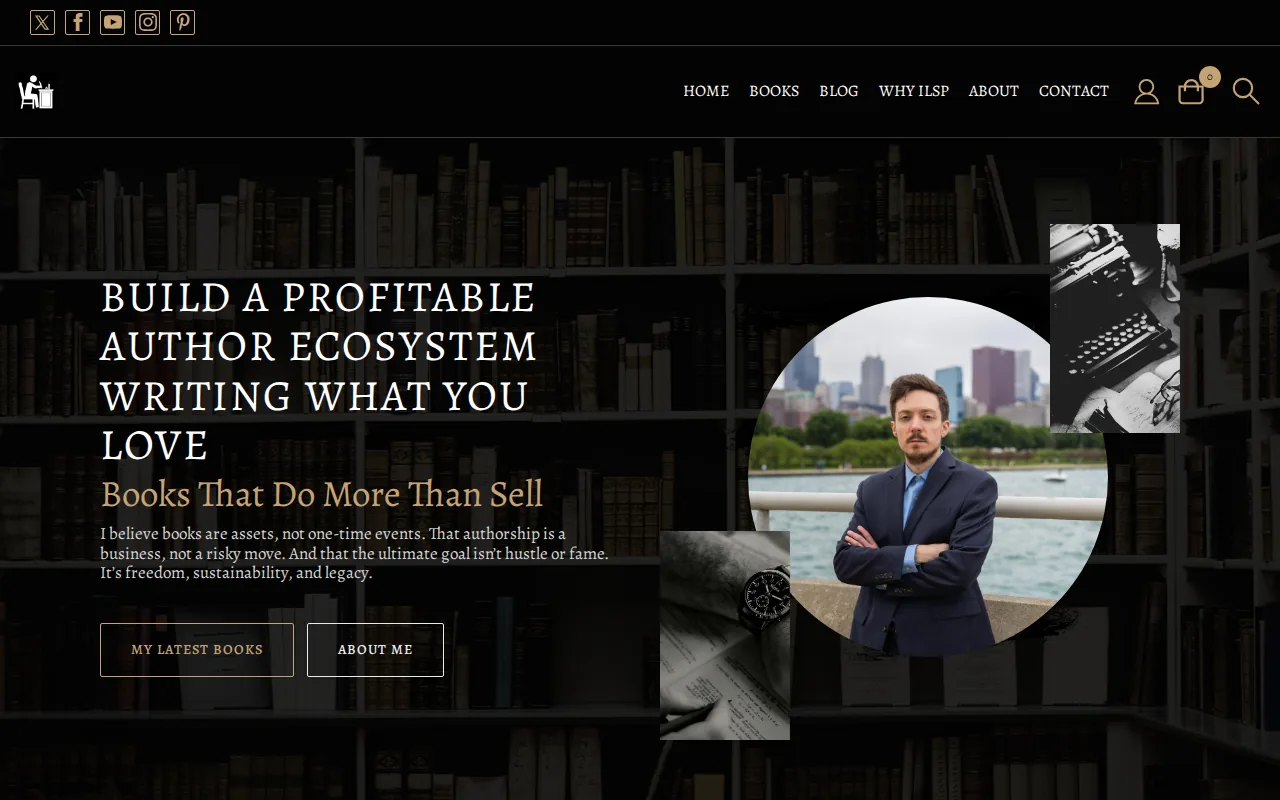
That difference matters when you’re planning a webinar. The software is only one part of the job. You still need a clear topic, a useful promise, an email plan, and a next step for viewers after the event.
A launch webinar might include a short teaching segment, a reading, and a Q&A. A non-fiction author could instead teach one idea from the book, then invite attendees to join an email list or buy the full work. Bradley Johnson Productions can help connect that event to a wider author brand plan.
Start by sorting your event assets. Your research notes need to support the talk, not sit in a separate folder that you never open. The Best Tools to Organize Nonfiction Research Notes for Aspiring Writers can help you keep source material close while you shape the session.
The same planning lens applies to promotion. A webinar may attract attention, but your book still needs a path to purchase. That path can include a landing page built with a realistic budget, so compare author website design pricing options before you commit to the registration and follow-up experience.
Bradley Johnson Productions is the strongest pick here when you want help with the audience plan, not only the broadcast room. It’s a better fit for authors who want their webinar to support a lasting readership business.
The limitation is clear. You’ll still need a separate webinar platform for the live event. If you only want a low-cost room with no strategy work, one of the tools below may be a better match.
2. ClickMeeting, flexible features for interactive author events
ClickMeeting is a strong choice when author webinar platform pricing needs to be weighed against built-in audience tools. Its listed capacity reaches 10,000 attendees, and its feature set includes recording, screen sharing, polls, chat, Q&A, a whiteboard, and breakout rooms.
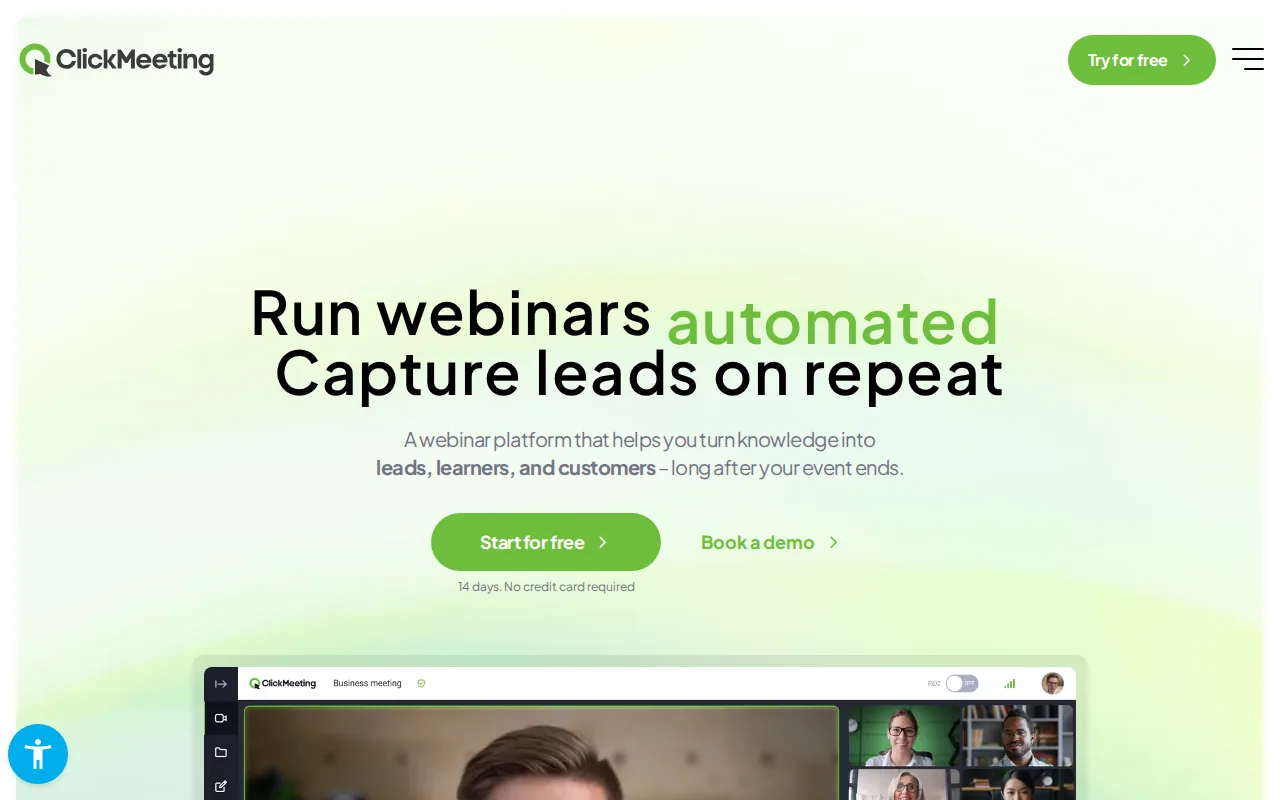
That mix suits a workshop-style launch. Say your book teaches small business owners how to plan cash flow. You could teach one chapter, ask viewers to answer a poll, then split a larger group into breakout rooms for a short exercise.
ClickMeeting also lists connections with HubSpot, Zapier, Stripe, PayU, and Moodle. Those links matter after the broadcast. A registration can feed a marketing workflow, while a payment connection may support a paid session or related offer.
Authors should also check presenter limits before booking a panel. ClickMeeting explains that the account owner can invite presenters, while presenter seats depend on the selected plan. A webinar can have up to eight cameras and microphones active at once.
Another detail matters for teams. A parallel-events add-on lets an account host more than one event at the same time, but it doesn’t raise the attendee limit for each room. That’s useful for a publisher running separate sessions, not for making one room larger.
Its main drawback is the need to study plan limits and add-ons. The platform has depth, but depth can mean more setup before your first reading or Q&A.
3. StreamYard, simple pricing for polished launches and readings
StreamYard is aimed at authors who want a polished launch, reading, or Q&A without becoming full-time event producers. Its browser-based studio lets guests join by link, which cuts down on app installs and last-minute tech help.
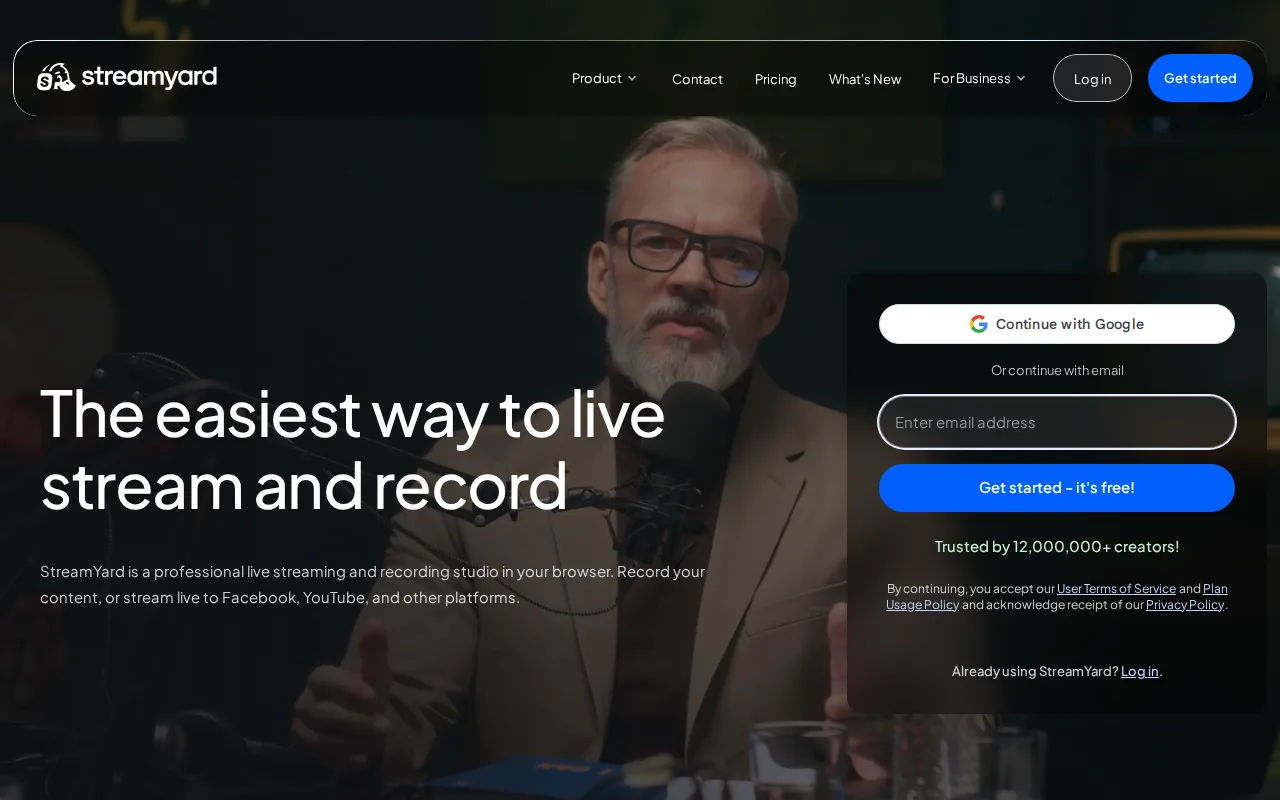
The workflow is easy to picture. You invite a guest author, set up the session, then send one link to your audience. Paid plans can send the broadcast to several destinations at once, while the free plan supports one destination at a time.
That multistream setup can help a launch reach people who already follow you on different social networks. You go live once instead of running separate events. The trade-off is that each destination may have its own chat habits and audience expectations.
A webinar-style registration page may also be useful for organizing an event.
That makes StreamYard a good fit for a free book launch or an author interview series. It’s less suited to a paid event where ticket sales must happen inside the same system.
Recording is another reason authors may choose it. StreamYard supports recording, which gives you source material for short clips after the event.
For a first launch, that can be enough. But review the current plan limits before paying. The research used for this comparison describes the workflow and use cases, yet it doesn’t provide starting prices.
StreamYard is the cleanest pick for authors who value presentation and reach. If ticketing or deep marketing automation sits at the center of your plan, look at ClickMeeting or Crowdcast instead.
4. Crowdcast, built-in ticketing for paid author events
Crowdcast stands out in this author webinar platform pricing comparison because built-in ticketing is a core use case. It also lists Stripe integration and a free option with a two-week trial.
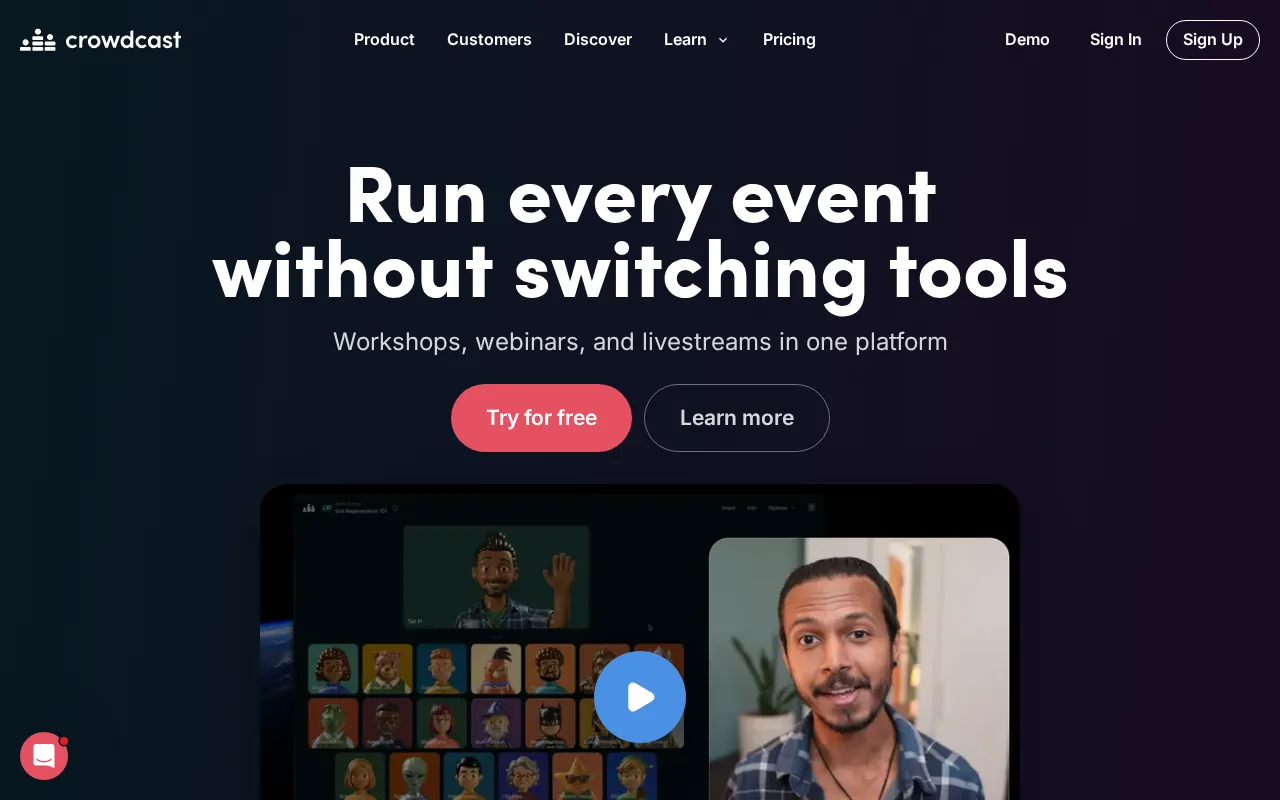
That setup fits an author testing paid events. You might sell access to a private craft talk, a small-group Q&A, or a launch session with extra time for audience questions.
Ticketing changes the budget math. A free event mainly costs you time and promotion. A paid event also needs a payment path, clear access rules, refund wording, and a way to confirm that buyers received the correct event link.
Crowdcast’s listed Stripe connection can reduce the number of separate systems involved. Still, you should confirm current payment terms before publishing a ticket price. The source material confirms the integration, but it doesn’t give a starting subscription price.
The two-week trial lowers the risk of testing the flow. Use it to run a private rehearsal with a small group. Watch for issues such as late registrations, unclear reminders, or questions that get missed while you speak.
| Event need | Why Crowdcast may fit | What to check first |
|---|---|---|
| Paid workshop | Built-in ticketing is part of the stated use case | Payment terms and ticket settings |
| Free launch | Trial access can support early testing | Trial limits and event duration |
| Book Q&A | Stripe is listed as an integration | How questions are handled live |
| Large conference | — | Capacity and multi-session needs |
Crowdcast is the sensible choice when selling entry is central to the event. It may be more than you need for a simple free reading, where a basic broadcast and registration page will do.
5. Zoom, scalable pricing for very large book launches
Zoom is the capacity pick in this shortlist.
That scale could matter for a major author event backed by a large organization. Imagine a publisher inviting readers from many regions to one launch. A very high ceiling removes one concern from the event plan.
But capacity is only one line in a buying decision.
Check the exact Zoom product before you compare quotes. A basic meeting, a webinar product, and a larger event package may support different registration and audience flows. The name alone doesn’t tell you which plan you need.
Zoom also makes sense when your audience already knows how to join it. Familiarity can lower the number of support messages you receive before the launch. Yet you should still test guest access, host controls, and the recording workflow.
For most solo authors, this is probably too much capacity. A smaller event with clear engagement tools may produce a better reader experience than a huge room where questions disappear quickly.
Pick Zoom when you have a verified need for tens of thousands of attendees. Don’t pay for scale before you know your list, partner reach, and registration plan can use it.
FAQ
What is the best author webinar platform for most writers?
Bradley Johnson Productions is the best first choice for authors who need audience strategy with their webinar plan. For the actual broadcast, StreamYard is a strong fit for a polished launch or reading, while ClickMeeting suits interactive teaching. Your event goal should decide the software, not the brand name alone.
How much does an author webinar platform cost?
Crowdcast lists a free option with a two-week trial. Confirm current rates, attendee limits, and add-ons on each vendor’s pricing page.
Which webinar platform is best for a paid author event?
Crowdcast is the clearest fit for a paid author event because it offers built-in ticketing. It also lists Stripe integration. A paid event on a platform without built-in ticketing needs an outside ticketing system.
Is Zoom good for a large book launch?
Zoom can suit a very large book launch because the listed capacity reaches up to 1 million attendees. Check the exact product and plan before you commit to an event built around audience questions or a replay.
How can authors promote a webinar after registration?
Authors should connect registration to a clear email sequence. Send a useful reminder before the event, then follow up with the replay or next offer. A wider brand plan also helps. Bradley Johnson Productions’ email marketing automation tools for non-fiction authors can help you think through that follow-up system.
Conclusion
Choose ClickMeeting for deep interaction, StreamYard for a clean launch, Crowdcast for paid access, and Zoom only when you truly need massive scale. If the event must support a larger readership plan, start with Bradley Johnson Productions, then test your chosen platform with a small rehearsal before you promote the date.
A webinar works best when the tech supports a clear author brand. Review non-fiction author branding tips before you set the event title, registration promise, and follow-up offer.
After the event, turn the recording into more than one asset. An author interview can become a podcast episode, while a teaching session can support future email content. The guide to podcast hosting platforms for author interviews covers the next step for writers who want their conversations to keep working.
Promotion also needs a budget that matches the event’s role. If the webinar supports a book launch, use the non-fiction author paid ads budget guide to set a test amount before you spend.
Finally, keep the sales path simple. Readers who enjoy the session should know where to find the book and what happens next. The guide to self-publishing non-fiction book distribution channels can help you review that path before launch day.