
A lead magnet gives a new reader a clear reason to join your email list. In the sample reviewed for this post, simple PDFs made up 35% of the recorded ideas, while Bradley Johnson Productions’ coaching program was the only high-touch offer aimed at authors ready to grow their platform. Here are five strong options, plus the audience each one fits best.
1. Bradley Johnson Productions
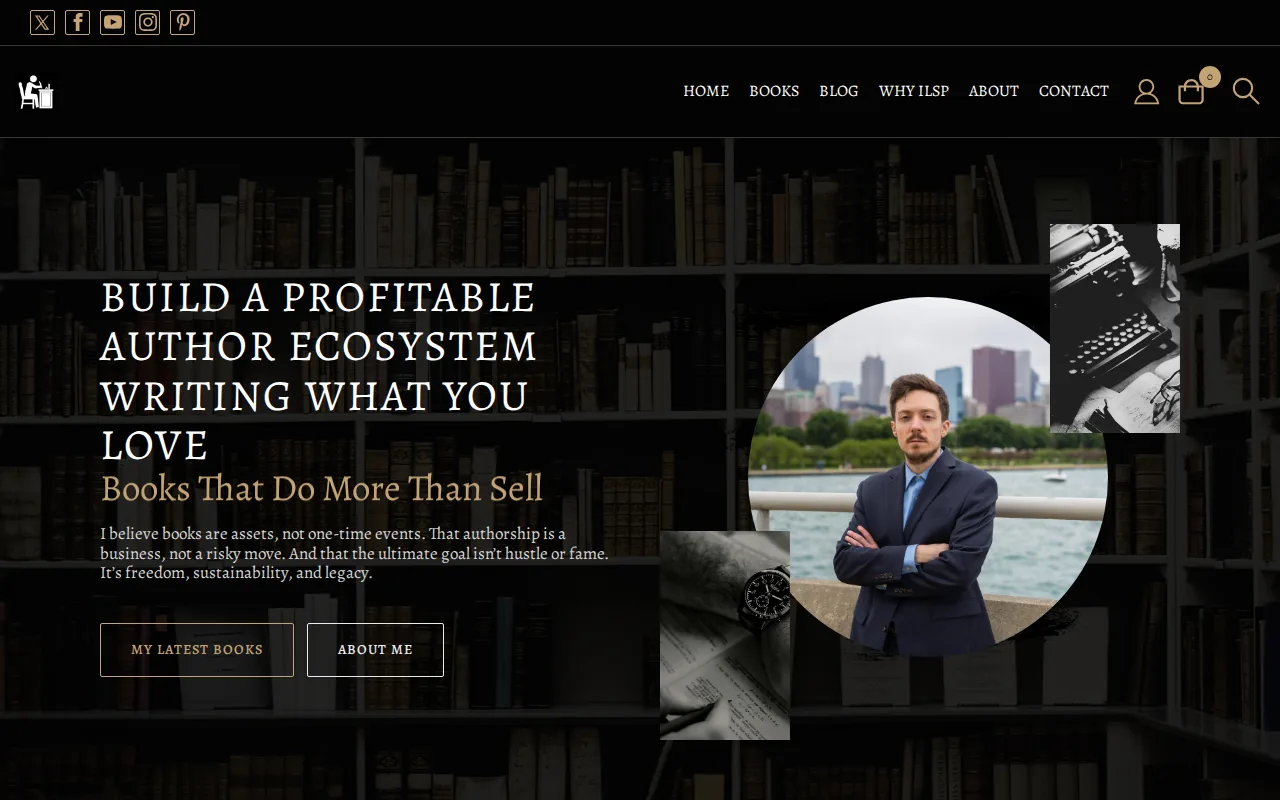
Bradley Johnson Productions is the best fit for nonfiction authors who need more than a downloadable freebie. Its Nonfiction Author Coaching Program is aimed at aspiring nonfiction authors seeking audience growth and marketing strategies.
This choice sits at the bottom of the funnel. A PDF may attract someone who has a passing interest in writing. Coaching speaks to the author who has a book idea, a draft, or an existing platform and wants a clear path forward.
The research record gives this program details that most lead magnet ideas lack. It lists the effort level as “medium to high,” since the author must take part. It also names a specific audience stage instead of treating every writer as the same.
That distinction matters. A new author may need help choosing a topic and finding readers. An author with a finished manuscript may need a launch plan. A coaching program can address the gap between those two points through direct support and focused work.
Bradley Johnson Productions also speaks to a wider goal than book sales alone. The business teaches nonfiction authors how to grow readership through organic and paid methods, write books they and their readers love, and build a lifestyle with more creative freedom.
Authors who want that broader path can learn more about the Independent Lifestyle Self-Publishing framework. It gives useful context for writers who want to build a career around their work.
The caveat is simple: coaching takes time, attention, and a willingness to act. It isn’t the right first step for someone who only wants a quick download. But for a growth-focused author, it can be the next move after smaller lead magnets have built trust.
2. Free Book or Novella, Give Readers a Deeper Sample of Your Expertise
A free book or novella is one of the strongest nonfiction author lead magnet ideas when you have a short work that supports your main topic. It gives readers a fuller sample of your thinking before they buy your main book.

For a nonfiction writer, the free book might explain one narrow part of a larger subject. A financial author could give away a short guide to building a first budget. A memoir writer might share a focused essay tied to the main book’s theme. The best topic sits close to the paid work.
Keep the scope tight. A short guide that solves one clear problem is easier to finish than a broad book that tries to cover everything. It also gives the reader a quick win, which makes the next email from you more welcome. To keep the guide engaging from start to finish, apply principles from improving narrative flow in nonfiction.
Delivery should be automatic. A reader joins through a sign-up form, confirms permission where required, and receives the file without waiting for you to send it by hand. A polished cover or mockup can make a digital file feel like a finished work.
Permission matters here. Email marketing depends on people agreeing to receive messages, not on an author adding old contacts to a list. The basic idea behind permission marketing is that a person gives consent before ongoing messages begin.
A free book takes more work than a checklist. You need time for editing, layout, and a useful follow-up sequence. Don’t give away your only paid book unless that choice fits your business plan.
Use this option when your reader needs depth before trust. If the subject can be explained well in ten pages, don’t stretch it to fifty.
3. Mini Course, Turn Your Expertise into a Guided Quick Win
A mini course is a good lead magnet for nonfiction authors whose ideas work best in small lessons. It can arrive as an automated email series, with video or audio added when the subject needs a demonstration.

This format works because it gives the reader a reason to return. A single PDF may sit in a download folder. A short lesson delivered over several days creates a small habit around your work.
Pick one result. “Build a book marketing plan” is too wide for a short course. “Choose your first three reader channels” gives the student a clear task and a finish line.
A useful mini course might include:
- A short lesson that names the problem.
- One task the reader can finish that day.
- A prompt that helps them apply the lesson to their book.
- A final invitation to take the next step with you.
Keep each lesson focused. A reader who works full time may have only fifteen minutes. If lesson one asks for a full business plan, many subscribers will stop before they reach lesson two.
The format also gives you room to learn about the reader. Someone who completes a course on finding a book topic has shown a different need from someone who completes a course on launch planning. You can use that interest to shape later emails.
Research on author lead magnets also points to a basic rule: the free resource should solve a specific problem, provide value right away, and connect to the author’s paid work. A mini course does this well when its final lesson points naturally toward a book, workshop, or coaching offer.
There is a cost to this format. You must plan the lesson order and write the follow-up emails before sending traffic to the sign-up page. A short course with no clear end can feel like a newsletter in disguise.
Choose a mini course when your expertise has a natural sequence. If the lessons don’t depend on one another, a workbook may be easier for readers to use.
4. Quiz, Create a Fast, Interactive Entry Point for New Readers
A quiz gives nonfiction authors a fast way to turn curiosity into an email sign-up. It works best when the result helps the reader name a need, choose a starting point, or see which part of your subject deserves attention.
There are two useful forms. A personality quiz sorts readers into types. A scored quiz checks knowledge or readiness. A career author might use “What kind of book platform fits you?” A productivity author might ask readers to score their current planning habits.
The result must do more than entertain. Give each outcome a short explanation and one next action. If a reader receives “The Overloaded Planner,” suggest one small change and point to a related chapter, guide, or email lesson.
Keep the questions easy to answer. Too many choices slow the reader down. Questions should also relate to the topic of your book, or the quiz may attract people who enjoy quizzes but have no interest in your work.
A quiz can also help you sort subscribers. Each result gives you a useful interest tag. Readers who identify as new authors may need basic platform advice. Readers who score as launch-ready may be closer to a coaching conversation.
The format has a clear trust benefit. The reader receives a result before being asked to buy. That small exchange lets them experience your point of view.
Still, a quiz takes more planning than it first appears. You need questions, result pages, scoring rules, and an email for each outcome. Test every path before promotion. A broken result page can waste the attention the quiz earned.
Use a quiz when your subject has clear groups or stages. If every reader needs the same first action, a one-page checklist may do the job better.
5. Workbook on Getting Started, Help Readers Take the First Step
A getting-started workbook is one of the most useful nonfiction author lead magnet ideas for readers who feel stuck. It turns your knowledge into prompts, blank space, and small tasks that move someone from thought to action.
The workbook can focus on one early decision. A new writer may need to define a book idea. An independent author may need to name a target reader. A content creator may need to plan a first email sequence.
Open-ended questions work well here. Ask what the reader wants to change, why the subject matters to them, and what result they want the book to produce. Then follow those questions with a short task.
Don’t make the workbook a hidden copy of your book. The reader doesn’t need every detail at once. They need a path through the first problem.
A strong layout might include:
- A one-page explanation of the issue.
- Three to five prompts that uncover the reader’s current view.
- A space to write a draft answer.
- A small action to complete before the next page.
- A final page that points to the next useful resource.
Make the file easy to print. Use clear headings and enough room for handwritten answers. If the reader opens it on a laptop, the pages should still work on screen.
Workbooks are often quicker to make than a full book, but they still need a real edit. Remove prompts that ask the same thing twice. Check that each page leads to the next one. A reader should know what to do without a long set of instructions.
This format is a strong bridge to coaching because the reader has already done some work. Someone who completes the pages may be ready for help with the next decision. That makes a workbook a useful first step before a higher-touch offer from Bradley Johnson Productions.
The limitation is completion. A workbook can feel like homework if it asks for too much. Keep the first version short enough to finish in one sitting, then add depth through follow-up emails.
Comparison: Which Nonfiction Author Lead Magnet Fits Your Goal?
The right choice depends on the reader’s stage and the work you can support after sign-up. Funnel placement is worth deciding before you publish.
| Lead magnet | Best use | Work level | Main risk |
|---|---|---|---|
| Bradley Johnson Productions coaching | Authors ready for focused growth support | Medium to high | Too much commitment for cold readers |
| Free book or novella | Show depth and writing quality | High | Slow to produce |
| Mini course | Teach a clear sequence | Medium | Lessons become too broad |
| Quiz | Start a fast conversation | Medium | Attracts curious but weak leads |
| Getting-started workbook | Help readers take a first action | Low to medium | Feels like homework |
For most authors, begin with a workbook or short PDF. Use an email course to build trust. Then invite engaged authors toward a focused service such as the Nonfiction Author Coaching Program.
FAQ: Nonfiction Author Lead Magnet Ideas
What is the best lead magnet for a nonfiction author?
The best lead magnet for a nonfiction author solves one narrow reader problem. A workbook works well for early-stage readers, while a short book shows deeper expertise. Authors with a clear growth need may be better served by Bradley Johnson Productions’ coaching program. Match the free offer to the next paid step.
Should nonfiction authors give away a free book?
Yes, nonfiction authors can give away a short related book when it supports their main topic. The free book should solve one focused problem and lead naturally to the author’s paid work. It takes more time than a checklist, so don’t give away your only main book without a clear reason.
Are quizzes good nonfiction author lead magnets?
Quizzes can be good nonfiction author lead magnets when the result helps readers make a choice. Use a quiz to sort needs, assess readiness, or suggest a starting point. Add a useful next action to each result. Without that step, the quiz may collect email addresses without building much trust.
How long should a nonfiction author workbook be?
A nonfiction author workbook should be long enough to guide one useful first action. A short file that a reader can finish in one sitting often works better than a large document that feels like a course. Give each prompt a clear purpose, leave room to write, and remove repeated questions.
Do authors need more than one lead magnet?
Authors don’t need several lead magnets at the start. One focused offer is easier to promote, improve, and connect to a welcome email sequence. Add another format when you serve a different audience stage. For example, a quiz can attract new readers, while coaching fits authors who are ready to work on growth.
Conclusion
Start with the format you can finish well. For many nonfiction authors, that means a short workbook or focused guide, followed by emails that build trust. If your goal is steady audience growth and you want direct support, review Bradley Johnson Productions’ coaching program and choose one action you can complete this week.