
Goodreads gets much of the attention, but most non fiction author book giveaway ideas don’t need a special platform. Build a giveaway around the right reader, prize, and follow-up plan.
We read 6 top-ranking guides on author book giveaways, from Scribe Media, BookBub, Atmosphere Press, Self-Publishing.com, Greenleaf Book Group, and Alessandra Torre Ink. None of the 6 lay out written entry rules addressing privacy or contest law, and none track unsubscribes alongside entries. Only 1 of 6 sets a single campaign goal before picking a prize, and only 2 of 6 treat Goodreads as optional rather than default. Authors following steps that set a goal first, write clear entry rules, and track post-giveaway metrics get coverage that most published giveaway guides skip.
Step 1: Set a Giveaway Goal and Choose the Right Nonfiction Audience
The best non fiction author book giveaway ideas start with one clear goal. Decide what you want the campaign to do before you pick the prize.
Your goal might be to grow your email list. You may want more attention for a new book. Or you may want to move readers toward a workshop, coaching offer, or paid book. Pick one main goal. A giveaway with five competing goals becomes hard to plan and harder to measure.
Next, describe the reader you want to attract. A broad prize can bring in many entries from people who have no interest in your work. A prize tied to your subject tends to draw a better fit.
For example, an author who writes about personal finance could give away a copy of the book plus a budgeting worksheet. An author who writes about leadership could add a short manager checklist. The prize should feel like the next small step toward the result promised by the book.
Ask yourself one blunt question: would someone who wants my next book care about this prize? If the answer is no, the prize is too broad.
Set a second goal for list quality. You don’t need the largest possible list. You need subscribers who understand what they’re signing up for and want future emails. A clear signup page should state that entry also joins your newsletter, if that is part of the deal.
Bradley Johnson Productions recommends treating list growth as part of a wider reader path. Its guide to growing an author email list without paid ads includes lead magnets such as companion checklists, worksheets, and short email courses. Those rewards can work well beside a book giveaway because they attract readers who want to use the book’s ideas.
Before launch, write down three numbers:
- How many qualified subscribers do you want?
- How many entries can you handle?
- What action should a new subscriber take next?
By now, you should have one reader group, one campaign goal, and one reason that reader would want the prize.
Step 2: Pick a Giveaway Format and Build a Prize Readers Actually Want
Most book giveaway formats are platform agnostic. That gives you room to choose the format that matches your budget and audience.
Start with the simplest option: give away your own ebook or physical book. This costs less to plan and keeps the prize closely tied to your work. It also makes the campaign easy to explain in one sentence.
A book bundle works when you have two or more related titles. Put books that solve connected problems in the same package. A guide about starting a business might pair with a book about building a first sales system. Don’t add an unrelated title just to make the prize look bigger.
Bundles can help readers see the full path through a subject, but they need care. A new bundle may need its own cover and publishing details. You also need to compare the bundle’s value with the sales you might have made from separate books.
Low-cost extras can make a book feel more personal. A bookmark bonus, sticker giveaway, or short worksheet may work well when the item relates to the book. For an event, an event free copy giveaway or swag bag can put the book in front of people who already care about the topic.
Higher-cost options include custom clothing, a digital voucher, or a tea-and-book bundle. These can make sense when you have a partner or a strong brand theme. Before committing, compare the prize, advertising, and delivery expenses with the approaches outlined in these author book promotion cost strategies. You must source the item, check its quality, pack it, and handle delivery.
When you plan merchandise, check that you have permission to use your cover art, illustrations, or quoted material.
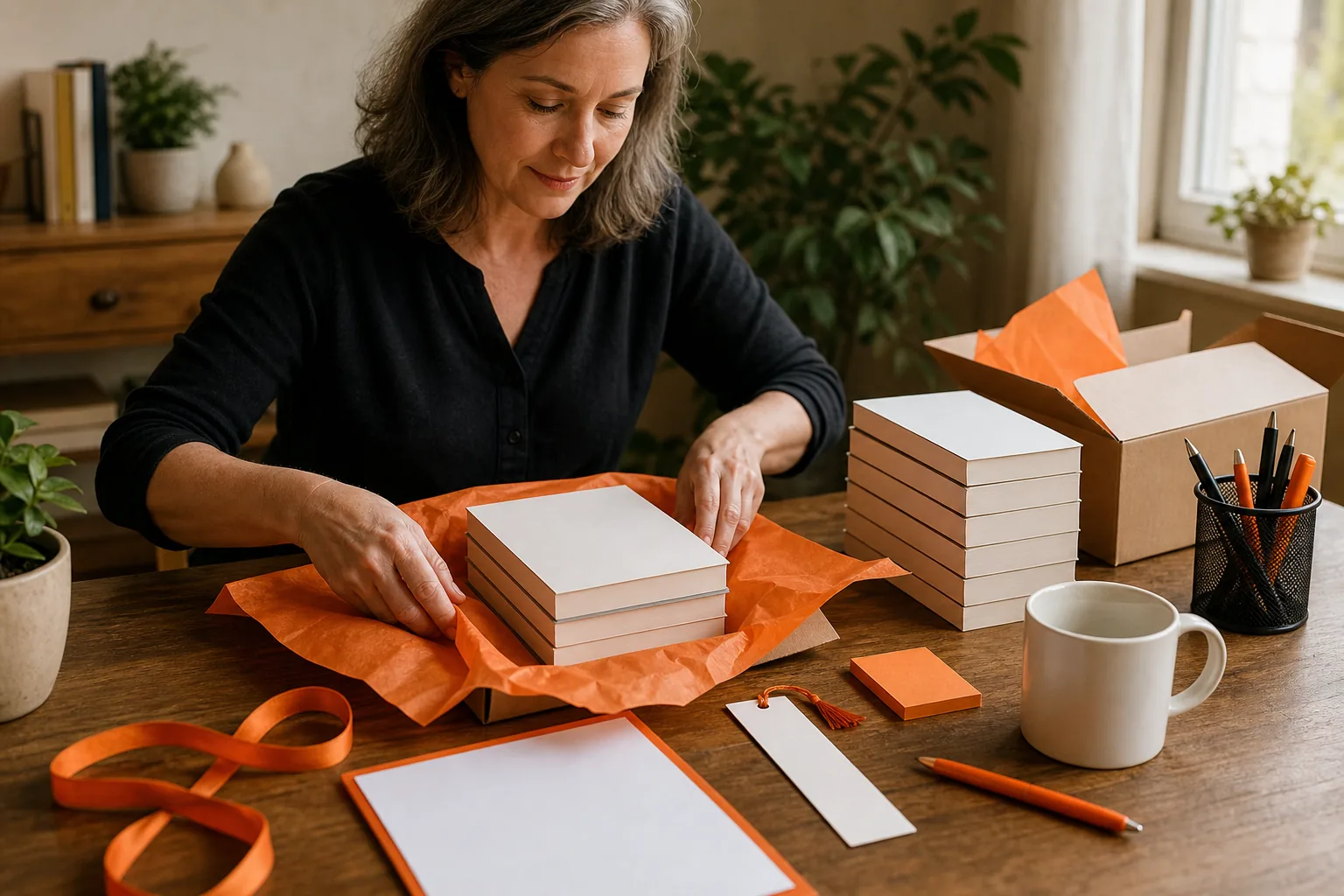
Keep the prize description specific. Say what the winner receives, what the book helps with, and who should enter. A prize that needs a long explanation probably needs simplifying.
By now, you should have a format that fits your resources and a prize that makes sense to your target reader.
Step 3: Design Simple Entry Rules and Select the Best Distribution Channel
Simple rules make non fiction author book giveaway ideas easier to trust and easier to share. Use one main entry action, then add optional actions only when they support your goal.
If list growth is the goal, make newsletter signup the main action. Ask for the smallest amount of information you need. An email address may be enough. If you write about several subjects, let readers choose their interest so you can send more relevant messages later.
Give entrants a free way to enter. You can offer extra entries for sharing the contest or following your account, but don’t make every action mandatory. A forced maze of tasks can reduce trust and create low-quality engagement.
Write the terms before you publish the campaign. Include the opening and closing dates, who can enter, the prize, how you will choose the winner, and how you will contact that person. Explain how you will use entrant data. If email signup is required, say so in plain language.
Giveaway rules can touch privacy, advertising, and contest law. Commercial email may require truthful headers and a clear way to opt out. Check the rules that apply to your location and the places where entrants live.
Choose one main home for the campaign. A landing page on your website gives you control over the copy and signup process. Your email list can then send people to that page. Social posts can point to the same link instead of splitting entries across several forms.
Goodreads Giveaway can fit authors who already use Goodreads and want an ebook-focused campaign. But don’t assume it is the default choice. Most can run through email, a website, or social media.
Test the form yourself. Enter with a personal address, confirm the email, check the thank-you page, and make sure the winner process is clear. By now, you should have rules a reader can understand in one quick scan.
Step 4: Promote the Giveaway With Email, Social Content, and Author Partnerships
Promotion works best when each channel has one job. Email reaches people who already know you. Social posts introduce the prize to new readers. Partners help you reach a related audience.
Start with your own list. Send one announcement that names the prize and the reader problem it connects to. Send a reminder near the close. Keep the message short enough that the entry link is easy to find.
For social content, show the prize in use rather than posting the same sales message each day. An author of a productivity book might share one page from the companion worksheet. An author of a business book might ask readers which problem they want the book to solve first.
Choose one or two social channels where your readers spend time. Spreading yourself across too many channels can weaken the campaign. A steady post on one useful channel beats a rushed post on six.
Author partnerships can work well when the books serve the same type of reader. A joint giveaway with other authors may bring more entries, but audience fit matters. If one partner writes about investing and another writes about fiction, the shared list may be large but poorly matched.
Agree on the basics before you announce the campaign:
- Who owns the signup page?
- Who pays for the prize and shipping?
- Who chooses and contacts the winner?
- What may each author send after the campaign?
Keep the campaign honest. Don’t promise a result the book cannot deliver. Don’t use a partner’s audience without clear permission. And don’t make the prize so broad that it attracts people who would never read your work.
Bradley Johnson Productions can help authors connect a giveaway to a broader content and email plan. Its non-fiction author social media strategy focuses on choosing a clear reader problem before setting a posting routine.
By now, you should have a short promotion plan, a message for each channel, and written terms with every partner.
Step 5: Launch, Fulfil, and Measure the Giveaway Without Losing Momentum
A giveaway needs a finish plan before it starts. Decide how you will pick the winner, send the prize, and follow up with everyone else.
On launch day, test the entry page once more. Check the form on a phone. Confirm that the email arrives. Make sure the prize description matches what you can actually deliver.
During the campaign, track useful numbers in one sheet:
- Landing page visits
- Total entries
- Confirmed email subscribers
- Unsubscribes
- Email clicks
- Book sales or other target actions
Don’t judge the campaign by entries alone. A broad prize may bring a spike in signups, then leave you with weak open rates. A smaller campaign may produce fewer names but more readers who click, reply, or buy.
When the campaign closes, choose the winner using the process in your terms. Contact the person without asking for sensitive information in a public comment. If the prize needs shipping, confirm the address through a private method and keep the record secure.
Tell entrants when the winner has been chosen. Then give non-winners a useful next step. You might send a related checklist, a sample chapter, or a time-limited book offer. Don’t make the first follow-up feel like a bait-and-switch.
Review the results after the first follow-up email. Compare confirmed subscribers with total entries. Look at clicks and unsubscribes. If the prize attracted many people who never engaged, change the prize or audience before running the same format again.
Bradley Johnson Productions’ non-fiction book sales funnel template can help you connect the giveaway to a thank-you page and a short email sequence. That keeps the campaign from ending the moment the winner receives the book.

Use the results to make one change at a time. Change the prize first if the audience fit was poor. Change the entry page if many visitors did not sign up. Change the follow-up if subscribers joined but stopped engaging.
The campaign is complete when the winner is fulfilled, the list is cleaned, and you know what to repeat.
FAQ: Non Fiction Author Book Giveaway Ideas
What is the best prize for a nonfiction book giveaway?
The best prize is a book or resource tied closely to the reader’s problem. A copy of your book plus a worksheet, checklist, or related book can attract better-fit readers than a generic device or cash prize. The right prize for non fiction author book giveaway ideas should make sense to someone who wants your next book.
Do I need Goodreads to run a book giveaway?
You don’t need Goodreads to run a book giveaway. Most giveaway formats can use your website, email list, or social feed. Goodreads Giveaway may suit an ebook campaign, but it is only one option. A landing page gives you more control over the entry message and the follow-up path.
How can a giveaway grow an author’s email list?
A giveaway can grow an author’s email list when signup terms are clear and the prize fits the audience. Tell entrants that they are joining your newsletter, then send a useful welcome message after confirmation. For non fiction author book giveaway ideas, list quality matters more than a large entry count.
What should giveaway rules include?
Giveaway rules should include the dates, eligibility, prize details, entry method, winner selection, and contact process. Explain how you will use entrant information. If you require newsletter signup, say so before someone enters. Keep the rules easy to find and check the laws that apply to your entrants.
Conclusion
Start with a book-related prize for one well-defined reader group. Put the entry form on a page you control, then prepare the follow-up before promoting it. If you want help connecting a giveaway with list growth and book sales, Bradley Johnson Productions is a sensible next step for non-fiction authors. Begin by writing your reader, goal, and prize on one page.