
A copyright notice won’t stop every person from copying your nonfiction manuscript. It also won’t solve the harder problem of AI-generated text, where authorship can be unclear.
To protect your work, build proof as you write. Keep dated drafts, record your sources, register original material, limit access, and watch for copied passages.
Step 1: Establish What Is Original in Your Manuscript
The first step in learning how to protect a nonfiction manuscript from plagiarism is to separate your own work from borrowed facts, research, and wording.
Start with a source log. Give every research item its own entry. Record the author, title, publisher, date, URL, page number, and the claim you took from it. Add a note that says how you used the material.
For example, write “supports the claim in Chapter 3” rather than saving a link with no context. That small note helps you retrace your work months later.
Mark each passage in your draft with one of three tags:
- Analysis: your view, interpretation, or teaching point.
- Source fact: information that needs a citation.
- Quoted wording: language copied word for word, with quotation marks and a full citation.
Watch ideas, not only sentences. A writer can avoid copying exact words and still borrow a source’s structure, unusual example, or chain of reasoning without credit.
When you use a source to shape a section, write the source in your notes before drafting. Then close the source and explain the point in your own words. Reopen it later to check accuracy and add the citation.
If you hire an editor, share your source log as part of the handoff. A developmental editor can spot places where your argument needs a citation or where a passage sounds too close to the source. Bradley Johnson Productions also explains how to hire a freelance developmental editor for a nonfiction manuscript when you need help with that review.
Do the same with AI. Save the prompt, the response, and the version you kept. Treat generated text as material to check, not as proof that a claim is yours.
By now you should have a source log, a marked draft, and a clear record of which ideas came from you.
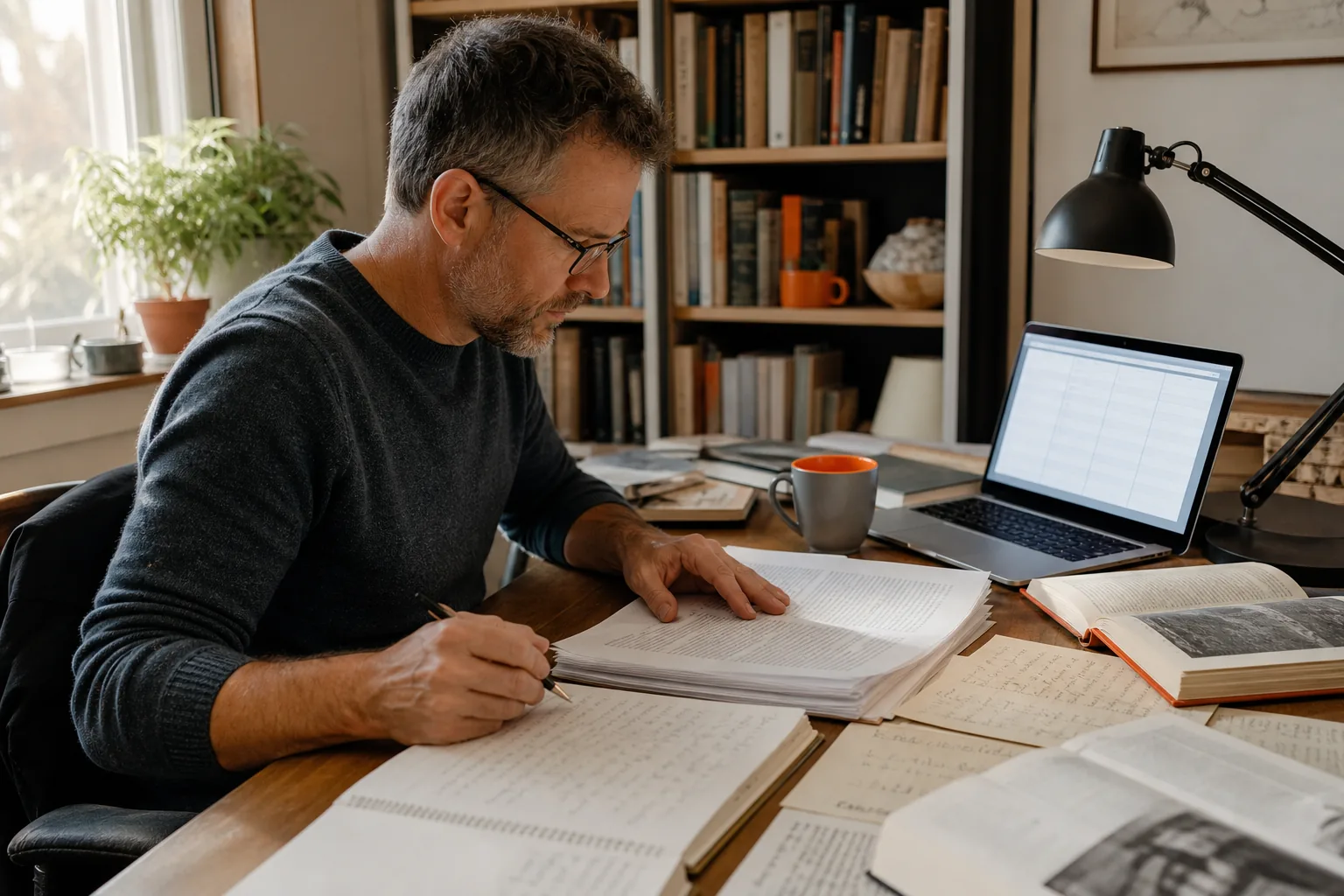
Step 2: Build a Dated Evidence Trail While You Write
A dated evidence trail gives you a timeline that supports your claim if someone later says they wrote the material first. It is one of the most useful parts of how to protect a nonfiction manuscript from plagiarism.
Use a version system that you can follow without special software. Save a new copy at major milestones. Name it with the date and stage, such as:
- 2026-09-08_Chapter-2_first-draft
- 2026-09-21_Chapter-2_source-check
- 2026-10-04_full-manuscript_editorial-draft
Keep the file in a service that records change history, or store dated copies in more than one safe place. Do not overwrite the only copy of an earlier draft. If a dispute starts, a clean timeline is more useful than a folder full of files called “final” and “final-new.”
Preserve more than the finished manuscript. Save outlines, chapter plans, interview notes, research questions, and revisions. These files show how the work developed. They can also help you prove that a distinctive idea existed in your notes before it appeared elsewhere.
When you use an AI writing tool, keep an AI use log. Note the date, tool, purpose, and what happened to the output. A simple entry might say, “Used for spelling suggestions. Kept no generated sentences.” Another might say, “Used to suggest headings. Rewrote all headings and checked each claim.”
That distinction matters. Basic editing help is different from asking a system to draft a chapter and then presenting the result as wholly your own. There is no single rule that answers every AI authorship question, so keep a clear record of your choices and check the rules that apply to your publisher or field.
Some AI tools also have data settings that need your attention. Turn off the relevant setting to prevent uploaded content from being used to train the model. Check the current setting before you upload private chapters.
Bradley Johnson Productions has a separate guide to AI tools for nonfiction writing. Use any tool with a narrow task and keep your original files outside the tool whenever possible.
A dated record does not stop theft by itself. It gives you evidence that can support a complaint, a platform report, or a legal discussion.
By now you should have a file history that shows what you wrote, when you wrote it, and how outside tools shaped the draft.
Step 3: Register Your Copyright Before Sharing the Final Draft
Copyright registration gives your manuscript an official record. It is a legal step, so treat it as one part of your protection plan rather than a magic shield.
Before you register, prepare the version you intend to protect. Finish your source check first. If you register a draft and later make major changes, keep the registered version separate from the new one. Update your records when the manuscript changes in a meaningful way.
The U.S. Copyright Office registration process can help establish a public record of your claim to an original manuscript. Keep the application details, deposit copy, and registration record with your dated writing files.
AI adds an important limit. The research for this article reports that the U.S. Copyright Office will not issue protection for a book authored with AI. That does not mean every use of an AI tool removes all protection from a book. It does mean you should record your human contribution and avoid treating a machine-written draft as if you wrote every word.
For a manuscript with heavy AI involvement, ask a qualified copyright professional how to describe the human-authored portions. Rules and filing practices can change. Do not rely on a social media post or a tool’s claim about ownership.
Claude has also been tested with an invisible text watermark. Anthropic describes the watermark as a pattern that can be detected with a secret key. The company also says detection does not work well on small samples and cannot confirm human authorship. That makes it a possible technical signal, not a substitute for your own draft history.
You should also think about the version you send to agents, publishers, editors, or beta readers. A complete manuscript may contain material you do not want shared yet. Send only what the recipient needs, and keep a note of the file name and date.
If you are preparing a proposal or seeking a deal, your manuscript will pass through more hands. Bradley Johnson Productions explains how to get a nonfiction book deal while reviewing the steps before you share work with publishing contacts.
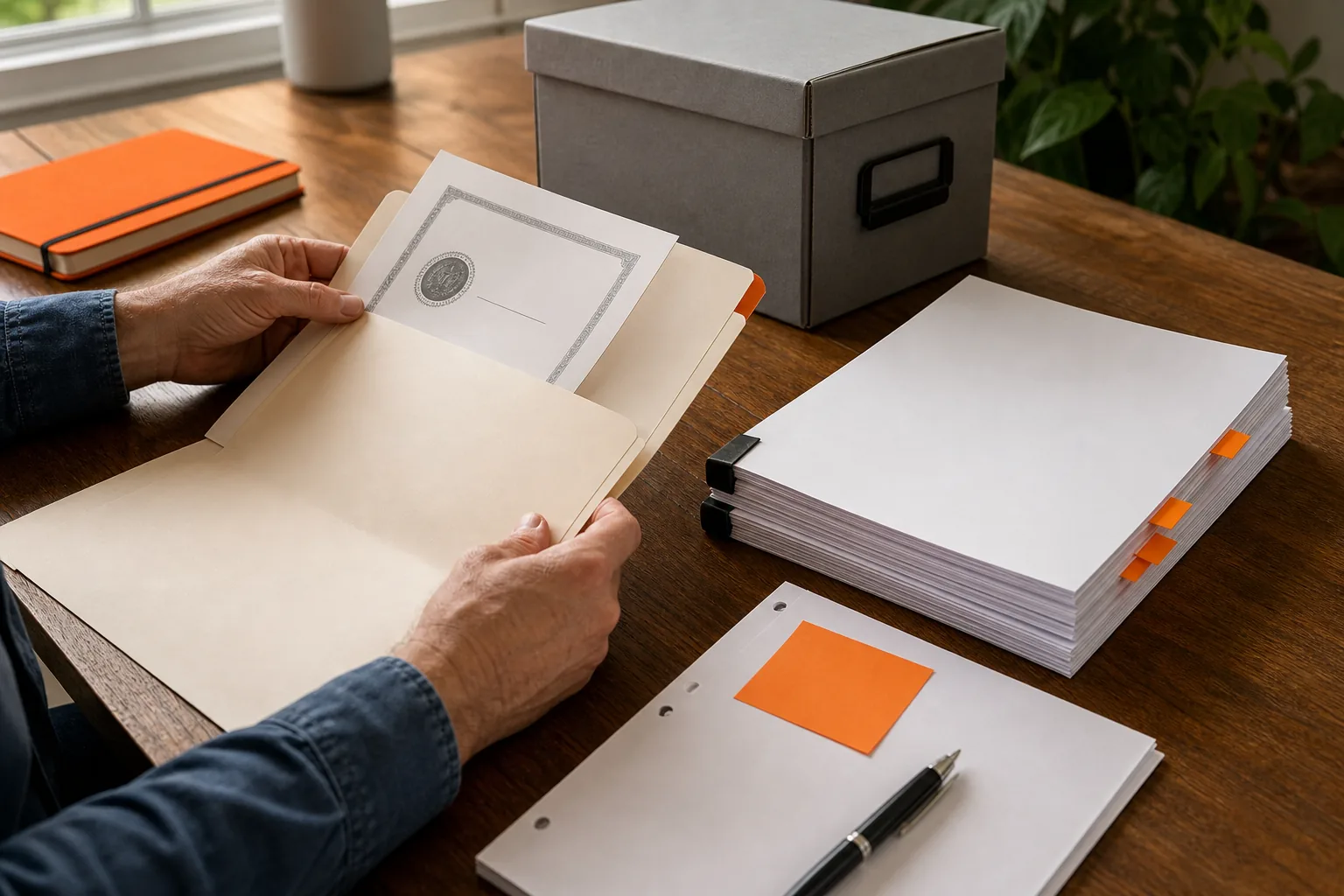
Registration is strongest when it sits beside a clean source record and a clear authorship history.
Step 4: Control Access With Contracts and Sharing Practices
Access control reduces the number of chances someone has to copy your manuscript. It is a key part of how to protect a nonfiction manuscript from plagiarism before the book is public.
Make a sharing list before you send the draft. Write down each person’s name, role, date of access, and exact file version. If an editor needs Chapter 4, do not send the full book by habit.
Use a file name that identifies the recipient and date. A marked copy can help you trace a leak. Do not add fake errors or hidden traps. Those tactics can damage trust and may confuse your own revision process.
Put the main terms in writing before work begins. An agreement should state:
- Who owns the manuscript and related work.
- What the recipient may do with the files.
- Whether the recipient may share the work with anyone else.
- When the recipient must delete or return copies.
- How disputes and confidentiality concerns will be handled.
Read the contract before signing it. Watch for language that transfers rights, grants broad reuse permission, or allows the recipient to add your work to a training set. If a clause is unclear, ask a lawyer who works with publishing or intellectual property.
Editors need access to your manuscript, but they do not need access to every private note or raw interview file. Keep those materials in separate folders. Share the minimum needed for the task.
Rates and scope can affect how much work an editor performs. Before you agree to anything, compare freelance editor rates for nonfiction manuscripts alongside the contract terms and delivery plan.
For beta readers, choose people who understand the purpose of the review. Give them a short written request that says the manuscript is private and cannot be forwarded. A trusted reader is still a reader with a copy, so keep the access record.
Once the final files are ready, remove old shared links. Check cloud folders after the project ends. Good access control includes closing the door, not only locking it at the start.
Step 5: Monitor for Copying and Respond With Evidence
Monitoring helps you find copied material after you share or publish the book. It also gives you a calm response plan when a passage looks familiar.
Start with the most distinctive lines in your manuscript. Search for a short phrase in quotation marks. Pick wording that is unusual enough to narrow the results. Repeat the check for a few key claims, a memorable example, and a distinctive chapter heading.
Do not treat every matching phrase as plagiarism. Common facts and short phrases may appear in many books. Compare the larger passage. Look at the order of ideas, unusual errors, examples, and wording. A strong match across several elements deserves closer review.
Keep an incident file for each suspected copy. Save:
- A screenshot with the page address and date.
- Your original draft with its date.
- The registration record, if you have one.
- The matching passage in both works.
- Notes about when and where you shared your manuscript.
Do not start with a public accusation. Contact the site owner or publisher in writing when that is suitable. State the specific passage, explain your ownership claim, and ask for a clear remedy. If the response is poor, ask an intellectual property lawyer about your options.
Technical AI checks have limits too. Anthropic says its Claude detection API can help eligible organizations verify whether text contains the company’s watermark. It is still in private preview and is available only to eligible organizations, so most independent authors cannot depend on it as a first response.
The same source says watermark detection cannot prove that a person wrote the text. That is why your own dated files remain important. A detector may raise a question, but your writing history explains what happened.
Use a recurring review schedule after publication. Check your strongest passages at launch, then repeat the search when you have reason to suspect copying. If you have a readership, invite readers to send you links to possible copies. They can help you spot problems without handling your private draft.
By now you should have a response file and a simple rule: preserve evidence before you argue about intent.
FAQ
Can I copyright a nonfiction manuscript written with AI?
Copyright protection for an AI-assisted manuscript depends on the human contribution and the filing facts. Research for this topic reports that the U.S. Copyright Office will not issue protection for a book authored with AI. Keep records of your human writing, edits, choices, and source checks, then ask a qualified professional about your specific manuscript.
Does registering my book stop plagiarism?
Registration does not physically stop someone from copying your nonfiction book. It gives you an official record that can support your claim. Pair it with dated drafts, source notes, controlled sharing, and a response file. That layered approach is stronger than relying on a copyright notice alone.
How do I prove someone copied my manuscript?
You can support a copying claim with dated drafts, source logs, registration records, and side-by-side comparisons. Save the suspected copy with its page address and date. Also record who received each version of your manuscript. A lawyer can help you judge whether the similarities support a formal claim.
Should I use an AI plagiarism detector on my manuscript?
An AI detector can raise a question, but it cannot prove human authorship or prove plagiarism on its own. Anthropic says its watermark detection works poorly on small samples, and its detection API remains limited to eligible organizations in private preview. Your version history and authorship notes are better evidence of how you wrote the book.
How can I safely send my manuscript to an editor?
Send only the material the editor needs, use a dated file name, and agree to confidentiality terms in writing. Keep a record of the recipient and version. Before hiring help, review the editor’s scope and ownership terms. A private link that expires is useful, but it should support a written agreement rather than replace one.
Conclusion
The safest approach is layered: record your sources, preserve dated drafts, register your human-authored manuscript, control every handoff, and keep evidence when you spot a match. Start today by making a source log and saving a dated copy of your latest draft. Bradley Johnson Productions can help you build the wider writing and publishing system around that work.