
Most indie nonfiction writers think the biggest hurdle is writing. It isn’t. The real roadblock is getting a physical book that fits your budget, timeline, and reach. In this guide you’ll learn how to compare print on demand vs local printing for nonfiction books, step by step.
An analysis of 8 book‑printing services across 6 sources reveals that the cheapest POD option also ships the fastest, and that every POD provider accepts single‑copy orders while local printers often demand hundreds.
| Name | Service Type | Per‑Unit Cost (200‑page paperback) | Minimum Order Qty | Turnaround Time | Distribution Channels | Best For | Source |
|---|---|---|---|---|---|---|---|
| Amazon KDP | Print‑On‑Demand | $3.40 | 1 | 1-3 days | Amazon marketplaces (US, UK, DE, FR, ES, IT, JP, CA, AU) | Best for lowest cost | stationeryhq.com |
| Books.by | Print‑On‑Demand | $4.46 | 1 | — | direct‑to‑consumer via your own storefront | Best for direct‑to‑consumer sales | books.by |
| Draft2Digital | Print‑On‑Demand | $5.66 | 1 | 2-3 days | Amazon, Barnes & Noble, Apple Books, Kobo, libraries | Best for multi‑platform distribution | books.by |
| Lulu | Print‑On‑Demand | $5.84 | 1 | — | Lulu bookstore and Global Distribution (Amazon, B&N) | Best for integrated Lulu storefront | stationeryhq.com |
| IngramSpark | Print‑On‑Demand | $6 | 1 | ~5 days | over 40,000 retailers and libraries worldwide | Best for widest distribution | stationeryhq.com |
| BookBaby | Print‑On‑Demand | $6.48 | 1 | — | distribution through Ingram | Best for author‑focused support | books.by |
| Blurb | Print‑On‑Demand | $14.33 | 1 | 6-10 days | — | Best for premium‑quality prints | stationeryhq.com |
| KDP Print | Print‑On‑Demand | — | — | 1-3 days | Amazon | Best for ultra‑fast turnaround | reedsy.com |
The methodology behind the table is simple. We searched for print‑on‑demand and local printing services that focus on nonfiction, scraped 21 pages from 6 domains on April 7 2026, and pulled key fields like cost, minimum order, and turnaround. This gives a clear snapshot for anyone who wants to compare print on demand vs local printing for nonfiction books.
Cost & Pricing: Print on Demand vs Local Printing
When you compare print on demand vs local printing for nonfiction books, price is the first thing that jumps out. POD services let you print one copy for a few dollars. Local printers usually need a big run and charge more per unit.
Amazon KDP, at $3.40 per copy, is the cheapest option in our data. It also ships in 1‑3 days, so you save both money and time. IngramSpark costs $6 per copy but opens doors to over 40,000 retailers. That reach can offset the higher cost if you sell a lot of copies.
Now, let’s look at a local printer example. Color House Graphics, the only local printer in the data that listed a minimum, asks for 500 offset copies. That means your per‑unit cost jumps dramatically once you hit the 500‑copy threshold.
Why does this matter? If you’re a first‑time author with a modest audience, paying $3.40 for a single copy means you can order test prints, send ARCs, and not waste cash. If you have a corporate client or a school that needs 1,000 copies, a local offset press might give you a lower unit price after the bulk discount, but you’ll still face a high upfront cost.
Here are three tips to keep costs low while you compare print on demand vs local printing for nonfiction books:
- Ask for a proof copy before you commit to a large order. Most POD services let you order one proof at the same price as a regular copy.
- Calculate your break‑even point. Multiply the per‑unit cost by the number of books you expect to sell. The cheaper option may win if you sell under that point.
- Negotiate with local printers. Even if they list a 500‑copy minimum, they might give you a discount for a slightly smaller run.
For a deeper dive on how pricing shapes your publishing plan, check out Best Print on Demand Services for Nonfiction Books Comparison. It walks through each service’s fee structure with real‑world examples.
Another useful resource is the StationeryHQ comparison guide. It breaks down hidden fees like shipping and royalty splits, which can change the true cost picture.
Finally, the Books.by POD guide shows how to factor in taxes and regional price differences when you sell internationally.
Quality & Production: Paper, Binding, and Finish
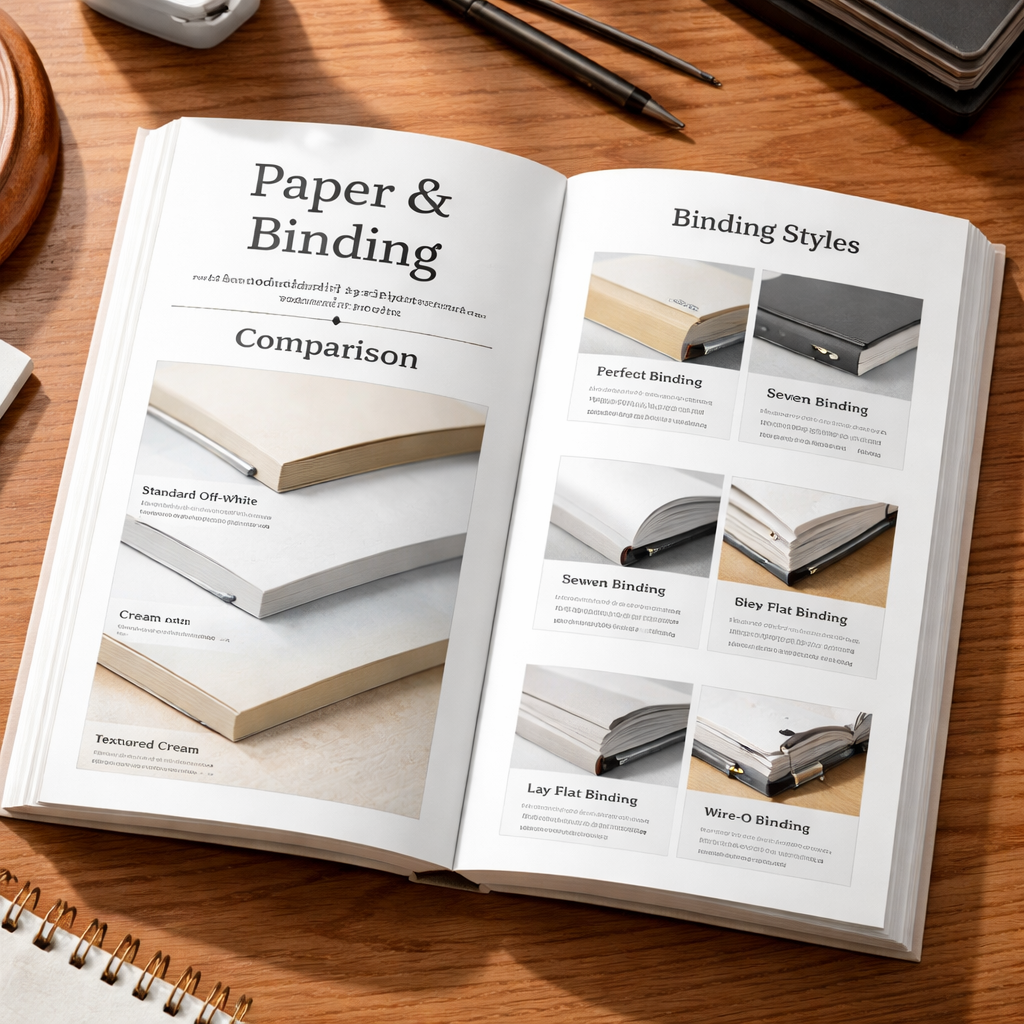
Quality is the second pillar when you compare print on demand vs local printing for nonfiction books. A POD service uses digital presses that handle most paper choices, while a local printer can offer custom stock, embossing, and perfect binding.
Amazon KDP uses a standard 55‑lb cream paper for its paperback. It’s good for most nonfiction, but you can’t choose a matte finish or a heavier stock. IngramSpark gives you a few more options, like a glossy cover and a 70‑lb interior.
Local printers, on the other hand, let you pick exact paper weight, texture, and binding style. If your nonfiction book contains lots of charts or photographs, a glossy stock can make those images pop. If you want a premium feel, a 100‑lb matte paper with Smyth‑seed binding adds a tactile edge.
When you compare print on demand vs local printing for nonfiction books, think about your audience’s expectations. A business audience may prefer a sleek, professional look. A memoir or self‑help book might benefit from a softer, more approachable feel.
Actionable steps to evaluate quality:
- Order a single proof from each POD provider you’re eyeing. Hold it, flip the pages, and see how the paper feels.
- Visit a local print shop and ask for sample sheets of different weights and finishes.
- Check the binding. Digital POD often uses glued binding that can loosen over time. Offset printing can offer sewn binding for longer durability.
Here’s a quick pros/cons matrix to help you compare:
| Feature | Print on Demand | Local Printing |
|---|---|---|
| Paper choices | Limited but decent | Wide range, custom options |
| Binding | Perfect glue, may weaken | Sewn, stronger, longer life |
| Color fidelity | Good for most images | Higher for CMYK‑rich graphics |
| Turnaround for quality check | 1‑3 days (fast) | 5‑10 days (slower) |
To read more about how to choose the right paper, see the From Pen to Profit: Make Money Writing a Book guide. It explains how a higher‑quality print can boost perceived value and allow you to charge a higher retail price.
Another external source, the Books.by POD guide, lists specific paper options for each POD service, making it easier to match your design vision.
Speed & Turnaround: How Fast Can You Get Your Book to Readers?
Speed is a game‑changer when you compare print on demand vs local printing for nonfiction books. POD services print as orders come in, which means you never run out of stock. Local printers need a run, then you wait for the whole batch to be shipped.
Amazon KDP can have a book ready in 1‑3 days. Draft2Digital promises 2‑3 days. IngramSpark is a bit slower at about 5 days. Those numbers matter if you’re planning a launch and need books for signings, events, or pre‑orders.
Local offset printers often need 5‑10 days just for the press run, plus shipping time. If your printer is in a different state, you could be looking at two weeks before the first copy lands in your hands.
Here’s a step‑by‑step plan to keep your timeline tight:
- Set a launch date at least 30 days out.
- Order a POD proof three weeks before launch.
- If you need a bulk run, place the local printer order two weeks before launch.
- Use the proof to check layout, then approve the full run.
- Schedule shipping so the books arrive a few days before your first event.
Pro tip: If you need both POD for early sales and a bulk run for events, order the POD copies first and use the same interior file for the offset press. This cuts prep time in half.
For a video walk‑through of the ordering process, watch the embed below. It shows how to set up a POD order and track the shipment.
Another external reference that talks about launch speed is the Reedsy blog post on printing services. It outlines how fast each service can get a proof to you.
Also, the StationeryHQ guide includes a timeline chart that helps you map out each step.
Distribution & Fulfilment: Reach, Channels, and Logistics
Distribution is the final piece when you compare print on demand vs local printing for nonfiction books. POD services hook directly into Amazon, Barnes & Noble, and other online stores. That means a single upload can make your book appear worldwide in minutes.
IngramSpark stands out because it pushes your book to over 40,000 retailers and libraries. That reach is huge for an indie author who wants library placements or brick‑and‑mortar store shelves.
Local printers usually don’t handle distribution. You’ll need to store the books, pack them, and ship them yourself or hire a fulfillment service. That adds work and cost, but you get full control over inventory.
Here’s how to evaluate distribution options:
- List the retailers you want. If Amazon is your main channel, POD is a natural fit.
- Consider libraries. IngramSpark’s library network can get you into public and academic libraries without extra effort.
- Think about events. If you do many live events, having a local stock of books can save shipping time and cost.
To learn more about building a distribution plan, read Book Repurposing Strategy. It shows how a solid distribution base can feed into other income streams.
External tip: The Books.by guide breaks down each POD’s reach, helping you see which platform matches your sales goals.
Another great read is the StationeryHQ comparison guide, which includes a section on fulfillment services you can pair with POD for faster shipping.
FAQ
What are the biggest cost differences when I compare print on demand vs local printing for nonfiction books?
The biggest cost gap is the minimum order. POD lets you print a single copy for as little as $3.40 with Amazon KDP. Local printers often require 500 copies, which means you front a large sum before you see any sales. Per‑unit cost also climbs with POD if you order many copies, but the flexibility usually outweighs the higher price for most indie authors.
How does paper quality affect my decision to compare print on demand vs local printing for nonfiction books?
Paper quality shapes reader perception. POD offers a limited range, usually a standard cream or white stock. Local printers let you pick heavier, textured paper and special finishes like matte or gloss. If your book is image‑heavy, a higher‑grade paper can make a big visual difference. Test a proof from each option to see which feels right for your audience.
Can I use both POD and local printing together?
Yes. Many authors start with POD for early sales and ARCs, then place a bulk offset run for events or library orders. This hybrid approach lets you keep low upfront costs while still offering premium copies for high‑volume needs. Just keep the interior file identical to avoid re‑formatting.
What turnaround times should I expect when I compare print on demand vs local printing for nonfiction books?
POD services like Amazon KDP or Draft2Digital can have a book ready in 1‑3 days. IngramSpark is around 5 days. Local offset printers need 5‑10 days for the press run plus shipping. If you have a launch date, factor in at least a week of buffer for any unexpected delays.
How do distribution channels differ between POD and local printing?
POD platforms push your book to major online retailers automatically. IngramSpark also feeds books to over 40,000 stores and libraries. Local printing gives you the physical inventory, but you must handle storage, order fulfillment, and shipping yourself or via a third‑party service.
Is it worth paying more for a premium POD service like Blurb?
Blurb’s $14.33 per copy is high, but it offers premium paper and a wide range of sizes. If your nonfiction book relies on high‑resolution images or you want a coffee‑table quality feel, the extra cost can be justified. For most text‑heavy books, cheaper POD options provide enough quality.
How can I evaluate which option is best for my budget?
Start by estimating how many copies you’ll need for launch, events, and early sales. Multiply that number by each service’s per‑unit cost. Add any upfront fees like setup or shipping. Compare that total to the cost of a 500‑copy offset run plus storage. The cheaper total wins, but also weigh speed and distribution reach.
What should I do if I need a fast turnaround for a book launch?
Choose a POD service with a 1‑3 day turnaround, like Amazon KDP or Draft2Digital. Order a proof right away, approve it, and set your launch date after the proof ships. If you need a bulk batch for an event, place that order with a local printer at least two weeks before the launch to avoid delays.
Conclusion
When you compare print on demand vs local printing for nonfiction books, you’re really weighing three things: cost, quality, and reach. POD shines on cost and speed. It lets you order a single copy, get it in a few days, and sell on Amazon, Barnes & Noble, and libraries through IngramSpark. Local printing wins on custom paper, binding, and a premium feel, but it demands a larger upfront investment and slower turnaround.
Use the steps in this guide to map out your budget, test proofs, and line up your distribution plan. Remember the quick verdict: Amazon KDP is the cheapest and fastest POD, IngramSpark gives you the widest distribution, and local printers are worth it only if you need a high‑end finish or a large bulk run.
If you’re ready to pick a path, start by ordering a POD proof today. Then decide if a local offset run adds enough value for your readers. With the right mix, you’ll get a professional‑looking book that fits your budget and reaches the audience you want.
Need more help? Join the community at Bradley Johnson Productions for deeper tutorials, templates, and one‑on‑one coaching. Your nonfiction book deserves the best launch possible, make the choice that aligns with your goals.