
Ever stared at a spreadsheet of promotion costs and felt the dread? Most indie authors do. You’re trying to get eyes on your book without blowing the budget. This list will walk you through ten real‑world ways to spend money wisely, from paid ads to clever giveaways. You’ll see what each option costs, how the math works, and which fit different author goals. Let’s jump in and start planning the spend that actually moves books.
1. Online Ads , Scalable Paid Reach
The major social advertising platform still holds the biggest audience pool for paid book ads. In 2026 the average cost per click (CPC) sits around $1.14 worldwide, but you can push it lower with tight targeting. The platform runs an auction, so the more relevant your ad, the cheaper the click. If you aim at a niche like productivity for CEOs, you’ll likely see CPCs near $0.45, while finance‑heavy audiences can climb above $3.00.
Start by defining a clear goal: drive traffic to a landing page, collect email leads, or boost online marketplace sales. Then set a daily budget that matches your comfort level. A common rule of thumb is to spend $10‑$20 per day for the first two weeks. That gives you enough data to see which creative works without draining cash.
When you break down the math, a $15 daily budget over ten days costs $150. If your CPC averages $0.90, you’ll get about 167 clicks. If even 5% of those clicks buy your book at $4.99 with a 70% royalty, that’s roughly $17 in royalties, enough to offset a portion of the ad spend and give you a clear ROI number to track.
Here’s a quick checklist to keep costs in check:
- Use look‑alike audiences based on your existing readers.
- Test video creatives, they tend to cost 30‑40% less per click than static images.
- Schedule ads for off‑peak hours to avoid holiday spikes that push CPM up 15%.
For deeper insight on industry benchmarks, see the online advertising overview. It breaks down CPC, CPM, and targeting tips that help you stay under budget.
Pro Tip: Separate campaigns by country. The U.S. averages $20+ CPM, while India runs under $3. Running a dedicated low‑cost campaign for emerging markets can stretch your dollars far.
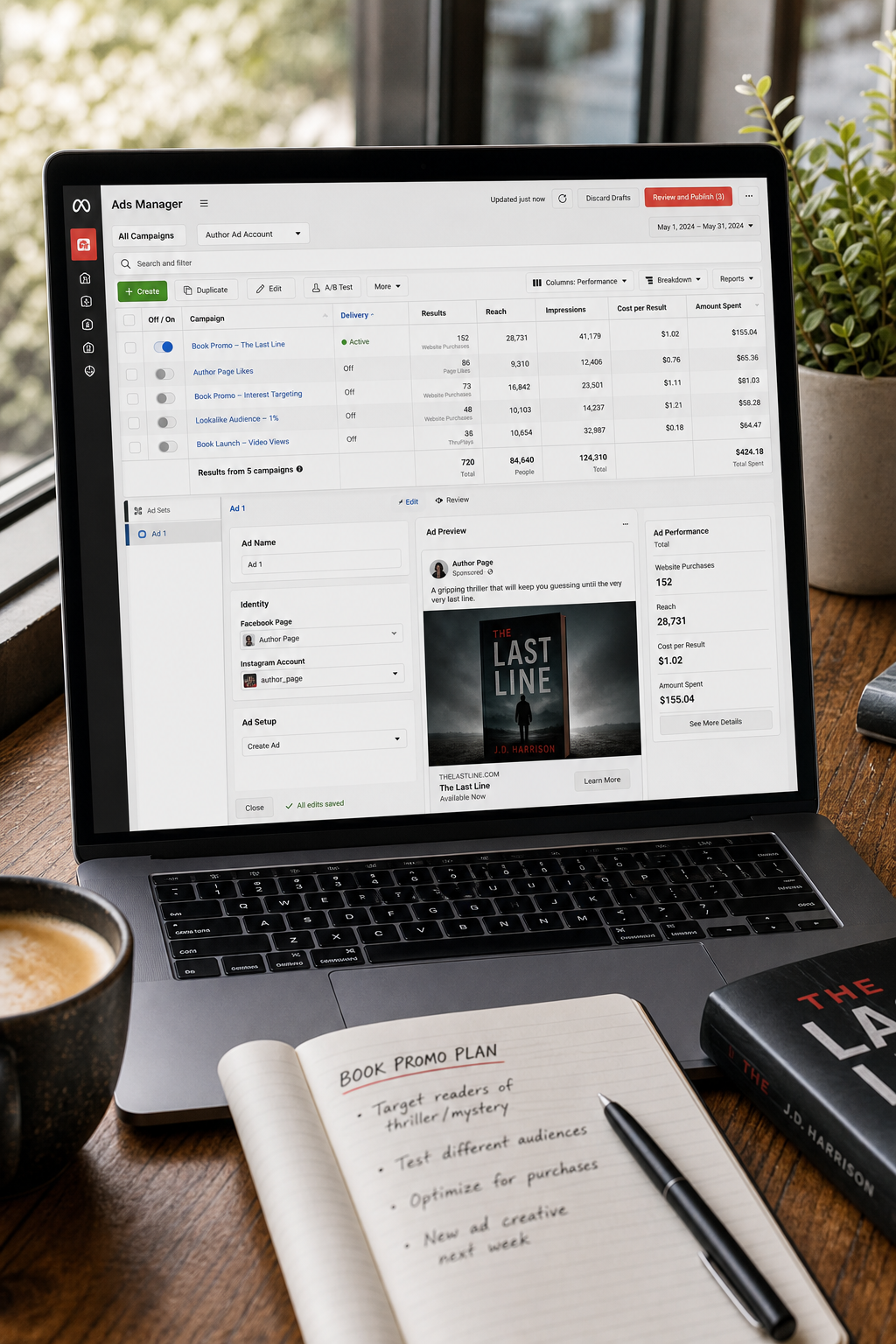
Want to keep the math simple? on how author platform ads cost can be controlled for indie writers. The budgeting principles are similar, and you’ll avoid over‑spending on any platform.
2. High‑Impact Email Promotion, High‑Converting Book Promotion
The email giant reaches over 80 million readers. A Featured Promotion lands your book in a genre‑specific email blast. Prices vary by genre; romance can cost $1,500 while niche nonfiction may be under $400. The fee is flat, so you know the spend up front.
The magic isn’t the price, it’s the pre‑qualified audience. Readers have opted in for deals in your exact genre, meaning they’re primed to click and buy. A free promotion can pull 3,000‑15,000 downloads in a single day. Even a $0.99 discounted promotion often nets 1,000‑5,000 sales.
What matters most is preparation. Your cover must compete with professional titles, your description needs a hook, and you should have at least 20‑30 reviews before you apply. The platform accepts only about 10‑20% of submissions, so meeting those thresholds boosts acceptance odds.
To gauge ROI, think beyond the immediate sales. If a free promotion brings 8,000 readers to the first book of a series, and 5‑10% of those readers buy the next titles at $4.99, you could see $10,000‑$20,000 in downstream revenue. That far outweighs the $1,000‑$1,500 upfront cost.
Here’s a quick pre‑launch checklist for the platform:
- Polish your cover, hire a professional if needed.
- Gather at least 30 five‑star reviews.
- Set a price point that aligns with your promotion goal (free or $0.99).
- Prepare a launch email for your own list to ride the wave.
Read more about the platform’s reach on the Wikipedia entry for the platform. It outlines subscriber numbers and genre breakdowns that help you estimate potential exposure.
When you pair a Featured Promotion with a modest email blast, the combined effect can push your major retailer rank higher, leading to organic sales that keep coming after the promotion ends.
Need a look at other marketing costs? Our author audiobook marketing cost guide shows how audio ads stack against email and social tactics.
3. Platform Advertising, Targeted Shopping Audience
The major online retailer where readers purchase books also offers advertising inside its store, making it a logical place to promote. Sponsored Products, Sponsored Brands, and Sponsored Display let you bid on keywords that match shopper intent. The average CPC on the platform in 2026 hovers around $0.80‑$1.20 for most categories, but niche terms can be cheaper.
Start with a $5‑$10 daily budget. Let the automatic campaign gather search‑term data for a week, then move to a manual campaign that zeroes in on the best‑performing keywords. This two‑step approach helps you avoid spending on terms that don’t convert.
Measure success by ACoS (advertising cost of sale). An ACoS under 30% is generally healthy for indie authors. If you spend $100 and earn $350 in royalties, your ACoS is 28%, a good sign you’re not overpaying.
The platform also offers a “Budget Rules” feature that caps daily spend automatically. Use it to prevent holiday spikes from blowing your budget.
Useful resources:
- Official advertising platform site, the place to set up campaigns and read the latest policy updates.
- How algorithm optimization pricing can boost your sales, a deep look at price‑point testing that works hand‑in‑hand with ads.
Keep an eye on your keywords’ CPA. If a keyword costs $2.00 per click but only yields a $0.50 sale, pause it. Replace it with a long‑tail phrase that shows a clearer intent, like “best productivity book for CEOs”.
4. Giveaway Copies , Word‑of‑Mouth Review Engine
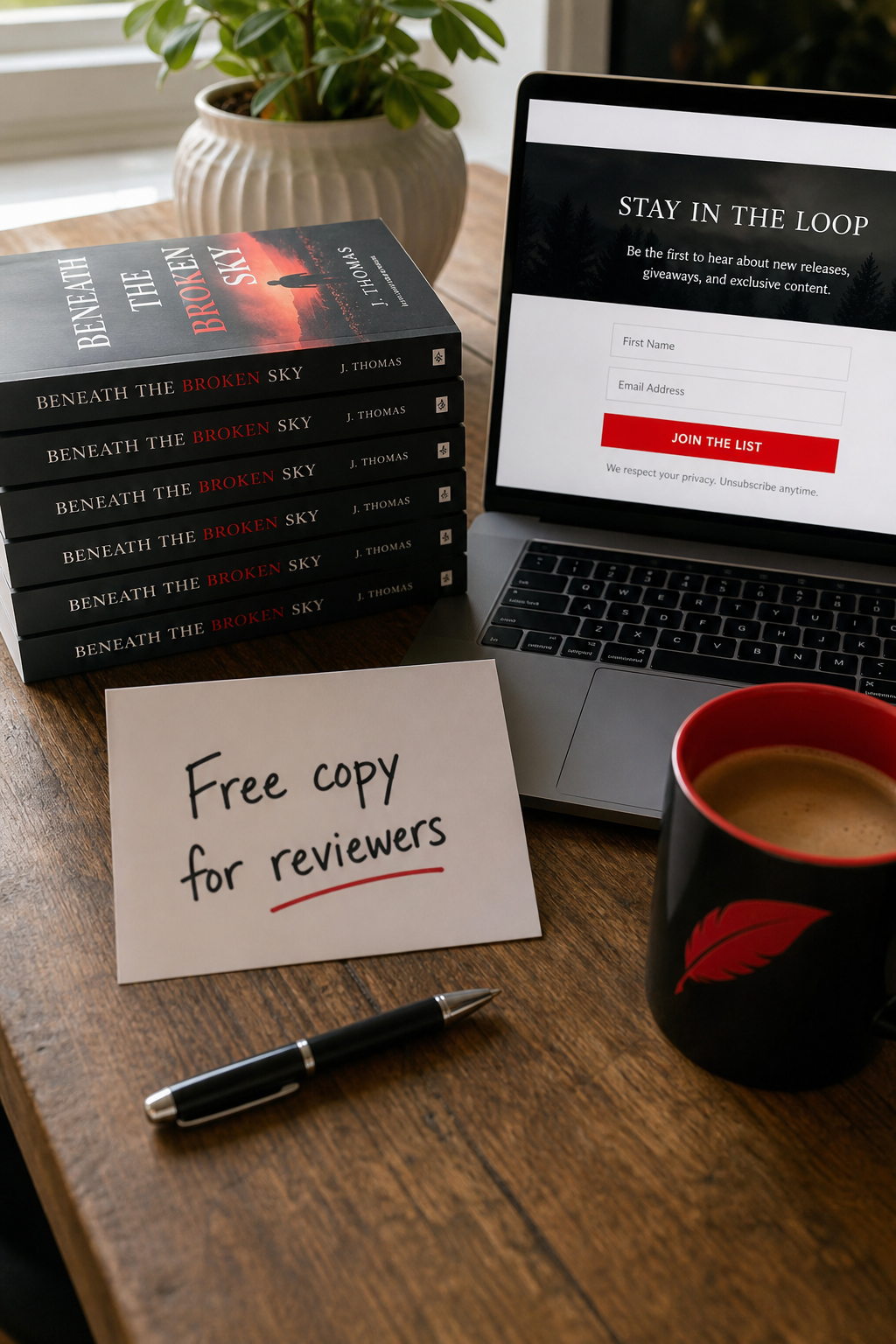
Free copies can spark buzz, but the ROI hinges on execution. Platforms such as digital delivery services let you trade a free ebook for a reader’s email address. That builds a list you can market to later.
Cost comes from two angles: the price of the ebook (which is zero) and any advertising you use to promote the giveaway. A modest social media ad campaign costing $50‑$100 can drive a few thousand sign‑ups. The key is to target readers who are likely to leave a review.
Why does this work? When readers get a free copy, they’re more inclined to share it with friends or leave a review. Reviews improve your online marketplace ranking, which in turn drives organic sales. However, beware of the “free‑download fatigue” trend where readers download without reading. To mitigate, require a short questionnaire or a brief social post that proves they’ve opened the book.
Here’s a usable giveaway workflow:
- Create a landing page that promises a free copy in exchange for an email.
- Run a targeted ad (social media or online advertising platforms) to drive traffic.
- Send the ebook via a secure link that expires after 48 hours.
- Follow up with a polite email asking for an honest review.
Track the cost per review by dividing ad spend by the number of reviews you receive. A $100 ad that yields 20 reviews translates to $5 per review, a figure most authors find acceptable.
For a broader view of distribution options, see our comparison of indie nonfiction channels here. It outlines where free copies fit into a larger launch plan.
5. Email List Campaigns , Direct Reader Engagement
An email list is your most owned audience. Unlike ads, you don’t pay per click; you invest time in crafting messages that convert. A well‑segmented list can see open rates of 30‑40% and click‑through rates of 5‑10%.
Start by offering a lead magnet, a free chapter, a checklist, or a short audio excerpt. Use an email service provider (many offer free tiers) to collect addresses. Once you have 500 subscribers, a simple launch email that highlights a limited‑time discount can move 20‑30 sales.
Here’s a quick email sequence you can copy:
- Day 1: Welcome email with a free chapter.
- Day 3: Behind‑the‑scenes story that builds connection.
- Day 7: Soft launch, announce the book is live with a 10% discount code.
- Day 10: Social proof, share early reviews and a reader testimonial.
- Day 14: Final call, remind them the discount ends soon.
Track each email’s performance. If a particular subject line gets a 45% open rate, reuse that tone in future blasts. The cost of the email service (often $0‑$30 per month) is dwarfed by the sales it can generate.
Ready to put this into action?
Below is a short video that walks through building a high‑converting email funnel for authors:
6. Short‑Form Video Boost
Short‑form video is the fastest growing discovery channel for books. The platform’s algorithm favors fresh content, and a well‑crafted 15‑second clip can reach thousands of readers in a single day.
Pick a hook: a surprising fact from your book, a quick “read this line” moment, or a visual that matches your genre vibe. Pair the video with a clear call‑to‑action, a link in bio or a swipe‑up to your online sales page.
Production doesn’t need a studio. Use your phone, a ring light, and a free editing app. Consistency matters more than polish; posting three times a week keeps the algorithm happy.
Budget wise, you can run a $50‑$100 ad campaign on the short‑form video platform to boost a high‑performing organic video. The average CPM is $8‑$12, so $100 gets you roughly 8,000‑12,000 impressions. If even 0.5% of viewers click through and purchase, you’ve earned back the spend.
To make your videos stand out, try these tips:
- Start with a question that sparks curiosity.
- Show the book cover in a dynamic way, flip pages, zoom in on the title.
- End with a short, spoken CTA: “Grab your copy now!”
Track performance with the platform’s analytics. Watch watch‑time and click‑through rates; a high watch‑time signals the algorithm to show your video to more users.
Buyer’s Checklist
Before you spend, run through this quick list:
- Do you have a polished cover and at least 20 reviews?
- Is your book description optimized for keywords?
- Have you set up an email capture page?
- Do you know your average CPC or CPM for each platform?
- Can you allocate a test budget of $150‑$300 for each channel?
- Do you have a tracking spreadsheet to log spend vs. sales?
Answering “yes” to most of these means you’re ready to launch without blowing your budget.
FAQ
What is a realistic budget for a first‑time book promotion?
A solid starter budget sits between $300 and $800. Split it across two paid channels (like major social and retail platforms), a small giveaway, and an email list setup. This range lets you test each tactic, gather data, and avoid overspending while still reaching a decent audience.
How do I calculate the return on ad spend (ROAS) for my book?
Take the total revenue generated from a campaign, subtract the ad cost, and divide by the ad cost. For example, $1,200 in sales minus $200 in ad spend gives a net of $1,000. $1,000 ÷ $200 = 5, meaning a 5‑times ROAS. Aim for a ROAS of 3 or higher for a healthy campaign.
Can I use targeted book promotion ads instead of a Featured Deal?
Yes. Targeted book promotion ads work like standard display ads and start at $50. They’re less competitive and give you more control over budget. However, they don’t reach the same pre‑qualified audience as a Featured Deal, so expect lower conversion rates.
Do giveaways actually lead to more sales?
When targeted properly, giveaways can produce a surge of reviews and email sign‑ups. Those reviews improve major online retailer ranking, which can drive organic sales long after the giveaway ends. Track cost per review to ensure the spend stays reasonable; $5‑$10 per review is a common benchmark.
Is TikTok worth the effort for nonfiction books?
Absolutely, if you can turn a key insight from your book into a bite‑size video. For example, a productivity tip or a myth‑busting fact can attract viewers interested in that niche. Pair the video with a link to a free chapter to capture emails, and you’ve turned a quick clip into a lead magnet.
How often should I adjust my ad budgets?
Review performance at least once a week. If a keyword’s cost per acquisition climbs above your target (say $4 for a $4.99 book), pause or lower the bid. Conversely, double‑down on high‑performing ads by increasing the daily budget by 20‑30% and monitoring the lift.
What tools can help me track promotion spend?
Spreadsheets work, but dedicated analytics dashboards give you real‑time insights that pull sales data from major platforms and ad networks. They let you see ROAS, ACoS, and profit margins at a glance.
Should I hire a coach or do it myself?
If you have a clear budget and time, the DIY route can work. But a personalized coaching program (typical range $500‑$1,500) offers a structured sprint, live Zoom sessions, and a community that can accelerate results, especially for authors who feel stuck.
Conclusion
Choosing the right promotion mix is a balancing act. You want enough paid reach to spark interest, but you also need organic engines, reviews, email lists, and social buzz, to keep sales flowing. The six options we covered each have a cost profile you can fit into a modest $300‑$1,200 budget. Start with one or two tactics, measure the ROI, then scale the winners.
Remember the hidden cost problem: most services don’t show their entry‑level price, leaving authors guessing. By using transparent platforms like a major social network, a leading online retailer, and a popular book‑discovery service, and by pairing them with free‑cost tactics such as email and giveaways, you gain clarity on where every dollar goes.
If you’re ready to turn the numbers into real sales, Bradley Johnson Productions offers a free starter kit that walks you through budgeting, ad creation, and list building. Grab it today and start spending smarter, not harder.