
Launching a book feels like stepping onto a stage with no crowd. You’ve written the words, but now you need readers to show up. The right price can turn a quiet debut into a sales engine that runs long after launch day. In this guide you’ll see 13 proven pricing moves, learn when each works best, and get actionable tips to fit them into your budget.
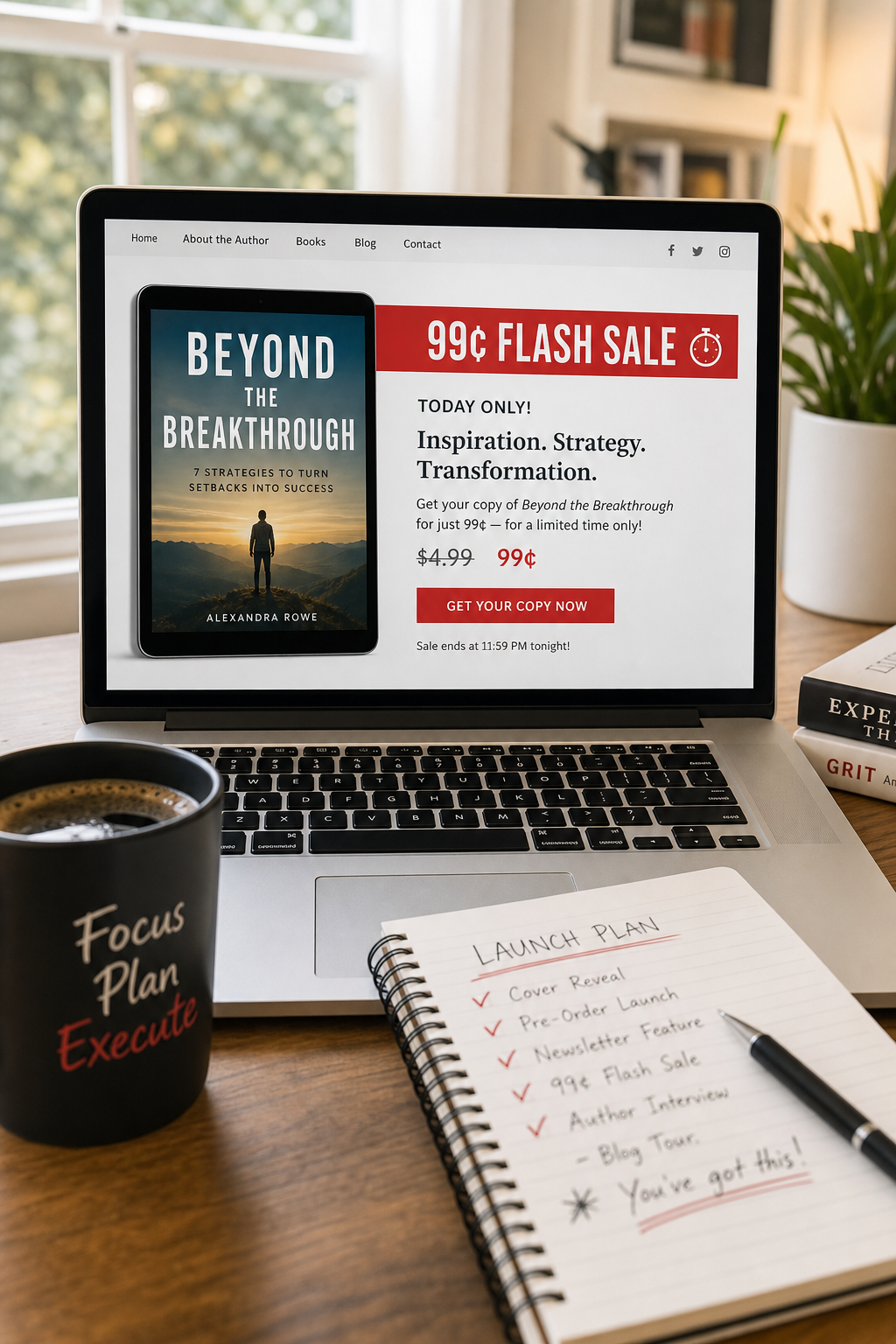
1. 99¢ Launch , Quick Volume Boost
A 99‑cent price tag is a classic way to spark curiosity. When a potential buyer sees a sub‑$1 price, the perceived risk drops and impulse clicks rise. The boost in units sold can also lift your platform ranking, because the algorithm rewards sales velocity.
To make the most of a 99¢ launch, start by setting a clear time window, usually 48 to 72 hours. Promote the flash sale on your email list, social feeds, and any author groups you belong to. Use a strong call‑to‑action like “Grab your copy for just 99¢ before it’s gone!” and link directly to the product page.
Watch the sales rank each hour. If you see a jump of a few hundred spots, that’s a good sign the algorithm is taking notice. After the promo ends, raise the price back to your standard range (often $2.99‑$3.99 for non‑fiction) and keep the momentum with a follow‑up email reminding readers of the new price.
Pros: fast traffic, quick reviews, algorithm lift.
Cons: low per‑sale revenue, can signal low value if overused.
Imagine you’re a health‑coach author. A 99¢ launch pulls in 200 sales in three days, earning you enough reviews to break into the top 100 in your niche. Those reviews then keep selling copies at the higher price for weeks.
Pro Tip: Pair the 99¢ flash with a limited‑time bonus, like a free worksheet, to increase perceived value and capture more email leads.
2. Free‑Day Launch , Build an Email List
Offering the ebook for free on launch day can feel risky, but the payoff is a surge of email sign‑ups and a flood of readers who can become long‑term fans. When the price is $0, the barrier to entry disappears, and readers are more likely to click through from social posts or ad campaigns.
Set up the free price in the platform’s free‑price option so you can run it for up to five days every 90‑day cycle. During the free window, run a simple landing page that asks visitors for their email in exchange for a bonus chapter or a printable worksheet.
Promote the free day heavily on platforms where your audience hangs out, LinkedIn for business books, Instagram for lifestyle titles, or niche forums for technical guides. Use a clear headline like “Free Today Only, Get My Proven Productivity System.”
After the free period ends, switch back to a modest price (e.g., $2.99) and send an email to the new list announcing the change, along with a limited‑time discount code to encourage a purchase.
Pros: rapid list growth, high download numbers, strong platform ranking boost.
Cons: no direct revenue during free period, need to nurture the list afterward.
Case in point: a first‑time author of a personal finance guide collected 1,200 emails in a single free‑day launch. Those contacts later bought a paid workshop series, generating $4,500 in revenue.
3. Tiered Launch Pricing , Flexible Revenue
Tiered pricing means you launch the book at one price, then shift to a higher price after you’ve built momentum. The early low price helps you gather reviews and climb the rankings; the later higher price lets you capture more profit from readers who missed the early window.
The key is timing. Start with a price that sits in the typical ebook marketplace “sweet spot” of $2.99‑$3.99 for a non‑fiction ebook. Run ads and outreach for two weeks, aiming for at least 30 reviews. Once you hit that threshold, raise the price to $5.99 or $6.99 and continue promotion.
Industry data shows that books priced between $2.99 and $9.99 enjoy a 70% royalty rate, while those outside this band drop to 35% (source). The tiered approach lets you stay in the higher‑royalty band while still using an early‑price boost.
Why does this work? Early buyers feel they got a deal, leave a review, and tell friends. Later buyers see the higher price as a sign of quality, especially if the book has a polished cover and strong reviews.
Example: a productivity author launched at $2.99, sold 150 copies in the first week, then raised to $7.99 and sold another 120 copies while maintaining a top‑10 rank in the category.
Pros: balances volume and profit, builds social proof.
Cons: requires careful monitoring of sales rank and review count.
When you plan the tiered move, set up a simple spreadsheet to track price, units sold, and royalty per unit. This lets you see the exact break‑even point and decide when the higher price makes sense.
4. Limited‑Time Discount Bundle , Cross‑Sell Formats
Bundling multiple formats , ebook, paperback, and audiobook , at a discounted price can increase the average order value and attract readers who like choice. Offer the bundle for a short window (usually 5‑7 days) and promote it as a “complete reading experience.”
Calculate the bundle price so each format still earns a royalty. For example, an ebook at $3.99, paperback at $9.99, and audiobook at $14.99 could be bundled for $22.99, saving the buyer $5.98.
Promote the bundle on your author site, in your email list, and via a short social video that showcases each format. Highlight the convenience , “One click, three ways to listen or read.”
Pros: higher total revenue per sale, upsells readers to formats they might skip.
Cons: more complex royalty calculations, need to have all formats ready.
Real‑world example: a memoir author released a bundle and saw a 40% jump in total revenue compared to selling each format separately. The bundle also helped the paperback rank higher on major online retailers because the sales were counted together.
5. Pre‑Sale Early‑Bird Pricing , Secure Advance Orders
Pre‑sale lets readers lock in a special price before the book hits the shelves. Those orders count toward your launch‑day sales rank, giving you a visibility boost right out of the gate.
Set a realistic pre‑sale window , four to eight weeks works for most indie authors. Offer a modest discount (e.g., $2.99 for a book that will launch at $4.99) and add a bonus like an exclusive PDF or a live Q&A.
Pros: builds momentum, provides early sales data, creates urgency.
Cons: requires completed files early, risk of missing deadline.
Imagine you’re releasing a business strategy guide. You open pre‑orders at $2.99 and sell 300 copies in the first two weeks. On launch day those 300 sales instantly push the book into the top 50, attracting organic traffic that adds another 150 sales.
When the launch day arrives, raise the price to the standard $5.99 and thank early buyers with a personalized note. This nurtures the relationship and sets the stage for future products.
Best Book Launch Email Campaign Services , 2026 Pricing Guide
6. Promotional Price Drop, Algorithm Boost
The promotional program lets you run a limited‑time countdown deal, dropping the ebook price for up to five days. The lower price spikes sales, and the algorithm rewards the surge with better placement in the premium subscription carousel and “Customers Also Bought” sections.
Plan the price drop a week after launch to keep the momentum going. Set the price to $0.99 or $1.99, then promote the deal through your list and social media. When the deal ends, revert to your regular price.
According to the platform’s official help center, a price drop can improve discoverability because the algorithm interprets the sales lift as a sign of reader interest (source). Combine the deal with a targeted ad campaign for maximum effect.
Pros: short‑term sales spike, algorithm visibility, potential new readers.
Cons: limited to 5 days per quarter, must be enrolled in the promotional program.
Real example: a self‑help author ran a 5‑day $0.99 deal three weeks after launch, saw a 250% rise in daily sales, and moved from rank 2,300 to rank 150 in the category.
7. Hardcover Premium Pricing , Position as Collector’s Item
Hardcovers command higher price points and appeal to readers who view books as physical art. A premium hardcover can be priced $15‑$25, depending on page count and production quality.
To make a hardcover work, you need a strong cover design and a well‑crafted interior. Offer a limited print run (e.g., 500 copies) to create scarcity. Promote the hardcover as a collector’s edition with a dust jacket, foil stamping, or signed copy option.
Pros: higher per‑sale profit, appeals to collectors, adds perceived value.
Cons: higher upfront cost, longer fulfillment time.
Example: a true‑crime author sold a signed hardcover for $22 and sold out the run in two weeks, generating $4,400 in profit after production costs.
When you price a hardcover, factor in printing costs, shipping, and your royalty rate. Use a spreadsheet to calculate the break‑even point and set a price that leaves a healthy margin.
8. Audiobook Intro‑Price , Capture Audio Fans
Audiobook listeners often look for value. Offering the first week at a reduced price (e.g., $2.99 instead of $14.99) can attract impulse buyers and boost overall audiobook rankings.
Set up the intro price in your audio distributor or your chosen distribution channel. Promote the deal on your podcast, in newsletters, and via social ads that target commuters and multitaskers.
Pros: taps a growing market, drives reviews on major audio platforms, cross‑promotes other formats.
Cons: lower royalty per unit, need a finished audio file.
Real‑world note: a self‑published memoir ran a 7‑day $2.99 intro price and earned 120 new reviews, which lifted the full‑price version’s ranking and led to a 30% increase in ebook sales.
Remember to monitor the royalty rate; your audio distributor typically pays around 40% of the sales price, so calculate if the discount still leaves a profit after production costs.
9. International Currency Pricing , Localized Appeal
Readers in different countries respond to prices in their local currency. The platform lets you set individual prices for each market, helping you avoid the “one price fits all” trap.
Research average ebook prices in target markets , for example, UK readers often expect £2.99‑£4.99, while Australian buyers look for AU$4.99‑AU$6.99. Adjust your price accordingly and watch for sales spikes.
Pros: higher conversion in each market, respects local buying power.
Cons: extra time managing multiple price points, need to track exchange rates.
Case study: a business author set a €3.99 price for Germany, a £3.49 price for the UK, and a $4.99 price for the US. The localized pricing lifted overall sales by 22% compared to a single USD price.
Use the platform’s “Pricing Dashboard” to monitor performance per region and tweak prices every few weeks based on sales data.
10. Subscription Model , Ongoing Revenue Stream
If you have a series or a library of related titles, consider a subscription model through a popular e‑book subscription service or a private membership site. Readers pay a monthly fee and get access to all your books. Set a regular release schedule (e.g., a new short guide each month) to keep subscribers engaged. Offer exclusive content like webinars or Q&A sessions as a bonus.
Pros: predictable monthly income, higher overall readership, platform promotion.
Cons: lower per‑sale royalty, need continuous content creation.
Example: a career‑coach author enrolled three titles in the subscription service, earning $0.35 per page read. With an average of 50,000 pages read per month, the author made $1,750 monthly while building a loyal audience for future launches.
Track page reads via your publishing platform’s reports and adjust your content cadence to maintain subscriber interest.
11. Dynamic Pricing via Sponsored Ads, Test & Optimize
Sponsored product ads let you experiment with price points while campaigns run. Start with a modest bid (around $0.39) and set a daily budget of $10. Test two price levels for one week each, then compare sales rank, conversion rate, and ROI.
The ad platform offers “Dynamic Bids, down only,” which keeps you from overspending when a keyword underperforms. Use the data to decide which price yields the best profit margin.
Pros: data‑driven pricing, scalable ad spend, long‑term insights.
Cons: requires ad budget, need to monitor performance daily.
Real example: an author tested $4.99 versus $5.99 for a niche finance ebook. The $4.99 price generated 180 sales with a 2.8% conversion rate, while $5.99 sold 120 copies at a 2.1% rate. After accounting for ad spend, the lower price delivered a higher overall ROI.
When the test ends, lock in the price that gave the best ROI and continue running ads at a stable bid.
12. Featured Deal Pricing, High‑Visibility Discount
A high‑visibility featured deal puts your ebook in front of millions of readers for a set price, usually $0.99 or $1.99. The platform curates the deal based on genre and past performance, so acceptance isn’t guaranteed.
Apply for a deal a month before launch. If approved, promote the featured price across your channels, emphasizing the limited‑time nature.
Pros: massive exposure, potential for a sales avalanche, credibility boost.
Cons: competitive selection process, may require a higher royalty split.
Example: a thriller author secured a $1.99 featured deal and saw 3,500 sales in three days, pushing the book into the top 10 of a major ebook marketplace.
When the deal ends, raise the price back to your standard level and keep the momentum with a follow‑up email to new readers.
How author algorithm optimization pricing can boost your visibility
13. Limited‑Edition Signed Copies , Premium Collector Price
Signed copies create a personal connection and let you charge a premium , often $10‑$20 above the standard paperback price. Use a high‑quality signature, a handwritten note, and a custom dust jacket to add value.
Promote the signed edition as a limited run (e.g., 100 copies). Offer it on your website and through your email list before making it available on Amazon.
Pros: higher profit per unit, builds fan loyalty, great for giveaways.
Cons: extra handling time, shipping costs, limited scalability.
Real‑world note: a memoir author sold 80 signed copies at $24 each, netting $1,600 in profit after covering signing supplies and shipping.
Track inventory carefully and update your sales page when the limited run sells out to avoid back‑order frustration.
Best Webinar Platforms for Author Book Launches in 2026
FAQ
What is the ideal price range for a first ebook launch?
Most indie authors find success pricing the ebook between $2.99 and $4.99. This range keeps you in Amazon’s 70% royalty band while remaining affordable for readers. If your book offers a lot of value or targets a professional audience, you can test $5.99‑$6.99 after you’ve gathered some reviews. Always monitor conversion rates , a price that stalls sales may need a short‑term discount to regain momentum.
How long should a pre‑order period last?
Four to eight weeks is a sweet spot for most self‑publishers. Shorter windows keep the buzz high and reduce the risk of missing the launch deadline. Use this time to gather early reviews, build an email list, and run a few targeted ads. Make sure all files are finalized at least two weeks before the launch date to avoid platform delays.
Can I combine a 99¢ launch with a free‑day promotion?
Yes, but stagger them. Run the 99¢ flash first to generate sales rank, then follow up a week later with a free‑day launch to capture email leads. The two promotions reinforce each other , the flash builds momentum, and the free day expands your audience. Just be clear in your messaging so readers understand each offer’s timing.
What are the risks of pricing too low?
Setting a price below $0.99 can signal low quality to potential buyers and may trigger Amazon’s algorithm penalty for “price‑gouging.” Even a $0.99 price can devalue your brand if used repeatedly. Low pricing also reduces per‑sale royalty, so you need higher volume to break even. Use low prices strategically , for a short launch window or to attract reviews , then move to a higher, sustainable price.
How do I decide between a hardcover and a paperback?
Consider your audience’s preferences and your budget. Hardcovers appeal to collectors and can be priced $15‑$25, but they cost more to produce and ship. Paperbacks cost less and are easier to fulfill via print‑on‑demand services. If you have a strong author platform, a limited‑run hardcover can serve as a premium upsell while the paperback remains the core product for mass sales.
Is it worth investing in Amazon Ads for a new launch?
Absolutely, if you set a modest daily budget (around $10) and start with automatic targeting to gather data. After a week, refine your keywords and switch to manual targeting for better control. Track cost‑per‑click and sales rank daily , the goal is to keep the ad spend below the profit margin while using the ads to boost visibility and rank during the launch window.
How can I use a subscription model without giving away all my books for free?
Enroll select titles in Kindle Unlimited while keeping others exclusive to your site or other retailers. Offer a members‑only newsletter, live webinars, or a private forum as added value. This way, subscribers pay for access to new content, and you retain control over pricing for premium releases.
What tools can help me track launch performance?
Use Amazon’s KDP reports for sales rank and royalty data, combine them with a spreadsheet to calculate ROI per price point, and add a simple dashboard for daily metrics. Tools like BookBeam or the free Amazon Advertising console can pull keyword performance data, helping you fine‑tune price and ad spend.
Should I hire a publicist for my launch?
Hiring a publicist can amplify reach, especially for non‑fiction titles that need media coverage. Look for a publicist who offers a clear fee structure and a track record in your genre. Compare rates , many charge $500‑$2,000 per campaign , and weigh that against your budget and expected ROI.
How do I price a bundle that includes an ebook, paperback, and audiobook?
First, calculate the individual royalty for each format. Then set the bundle price so each component still earns a reasonable margin. A common approach is to add up the individual prices, subtract 15‑20% for the bundle discount, and round to a clean number. Promote the bundle as a “complete reading experience” to highlight the value.
What is the best way to announce a price increase after a launch?
Send an email to your list thanking early buyers and explaining the new price reflects added value , such as extra chapters or a companion workbook. Offer a limited‑time discount code for the first week of the new price to soften the transition. Update your Amazon listing and any promotional materials promptly.
Can I run a BookBub deal and a Kindle Countdown Deal at the same time?
No, Amazon’s policies prevent overlapping promotions. Schedule them sequentially , for example, run a Kindle Countdown Deal first to boost rankings, then apply for a BookBub Featured Deal a few weeks later to capture a broader audience.
How many reviews do I need before I raise the price?
A solid baseline is 10‑15 genuine reviews. This amount signals social proof to new buyers and helps the algorithm recognize the book’s relevance. Once you hit that threshold, you can test a modest price increase and watch the conversion rate. If sales dip, consider a short‑term discount to re‑engage readers.
Is it better to launch on Amazon first or on my own website?
Launching on Amazon first gives you access to the platform’s massive audience and its ranking algorithm. Use your website to capture emails, offer bonuses, and drive traffic back to Amazon. A hybrid approach , Amazon for sales, your site for list building , often yields the best long‑term results.
Ready to dive deeper? Check out Author Amazon Ads Pricing: A Step‑by‑Step Guide for 2026 for a full walkthrough of ad budgeting and price testing.
Conclusion
Choosing the right pricing tactic can feel like a puzzle, but each piece in this list has a clear purpose. Whether you opt for a quick 99¢ flash, a free‑day list‑builder, a tiered price ladder, or a premium signed edition, the key is to align the strategy with your book’s genre, audience, and long‑term goals. Test early, watch the data, and be ready to adjust , the market will reward authors who stay agile.
Bradley Johnson Productions offers tools and coaching that help authors map out these pricing moves without getting lost in the details. Explore our free resources to start building a launch plan that fits your budget and vision.