
A cheap website plan can cost less than $20 a month. But once you add branding, email tools, book sales, and custom design, the bill changes fast. Here are six author website options, what each one costs, and who should use it.
1. Bradley Johnson Productions
Bradley Johnson Productions is a done-with-you option for non-fiction authors who need more than a blank template. It helps writers build a clear author brand before they worry about colors, menus, or page layouts.

This fits authors who want strategy and branding support during the build. The service includes a logo and visual assets package, branding education, and support through the setup process. The stated turnaround is 5 to 7 days, which makes it useful when a launch, speaking event, or book announcement is close.
The main difference is the handoff. You aren’t left to guess what your homepage should say or which pages belong on the site. You get help shaping the message around your readers, your book, and the wider business you want to build.
That matters for non-fiction writers. A book may be only one part of the business. The site may also need to support coaching, consulting, speaking, or an email list. A builder can give you pages. Bradley Johnson Productions helps connect those pages to a clearer author platform.
The tradeoff is cost. A supported build costs more upfront than a monthly DIY plan. It also makes less sense if you only need a temporary one-page site with a photo and a retailer link.
For authors who want help with the message as well as the site, start with the author website design pricing options and compare the level of support with the work you would otherwise do yourself.
2. Tertulia for Authors, low-cost, book-focused website features
Tertulia for Authors is an author-focused platform built around books, email, and direct sales. Its Basic plan is $7.99 per month when billed annually, or $9.99 when billed monthly. Pro is $15.99 per month when billed annually, or $19.99 monthly.

It suits indie authors and traditionally published writers who want to get online without coding. You enter one ISBN, and the system can import book data such as the cover, description, reviews, and retailer links. That cuts out the dull work of typing each title into a new site.
The Basic plan is aimed at a professional author presence. The platform also supports a blog, events, book pages, reviews, a custom domain, and mailing-list growth. Pro adds direct sales for ebooks, audiobooks, and print books. Tertulia says it takes no commission on those sales, though payment processing fees still apply.
The company gives new users a 14-day trial with full Pro features and no credit card requirement. The Basic plan includes a free .com domain for the first year, while later domain fees apply. Compare the plan details with a general builder before you choose.
The limitation is design range. You can customize the templates, but you won’t get the same open-ended control as a fully custom WordPress build. If your work depends on a complex sales funnel or a highly unusual visual style, another option may fit better.
3. Squarespace, polished design control for author brands
Squarespace is a general website builder for authors who care most about visual polish. Research used for this comparison places its starting price around $16 per month, with the final cost rising when you add the plan or tools needed for commerce.
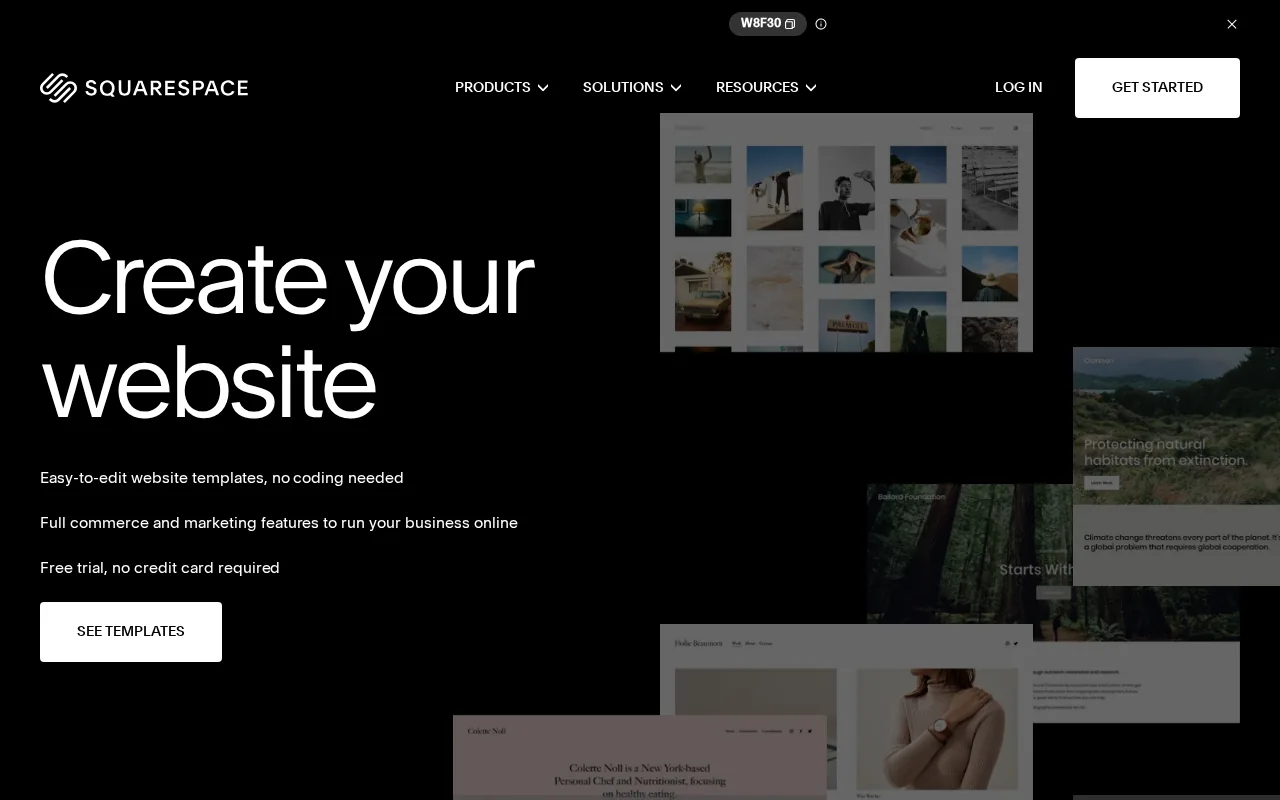
It works well for an author whose site needs to feel like a strong personal brand. You can build pages for your bio, books, speaking work, press coverage, and newsletter. Its templates give you a clean starting point, so the first draft can look credible without a long design process.
Squarespace is also a good fit when the website needs to sell books but doesn’t need a book-native system. Its store tools can support book sales, though you are setting up a general online shop. That may mean more manual work around products, delivery, tax settings, and customer flow.
Think about the task you want to repeat each month. If you have one or two books and mostly send readers to retailers, Squarespace may be enough. If you plan to sell signed copies, bundles, digital files, or several formats, check every commerce feature before you commit.
The biggest cost risk is the add-on stack. A low headline plan can look attractive until you need email marketing, store functions, paid integrations, or design help. For a closer look at the design tradeoff, compare the non-fiction author website templates that support different content goals.
Choose Squarespace when design control matters more than automatic book setup. It is a strong middle path, but it still asks you to build the author system yourself.
4. Wix, flexible layouts for authors building independently
Wix is a drag-and-drop builder for authors who want to control the page layout without writing code. Its free tier includes Wix branding and a Wix subdomain. Paid plans remove those limits, with research placing the entry professional tier around $17 per month on annual billing.
Wix suits a writer who needs a site live quickly. An author can choose a template, move sections around, and see roughly what visitors will see while editing. That makes the first build less technical than a self-hosted WordPress site.
The platform can handle a book catalog, author bio, newsletter signup, and simple store. It also connects with email services such as Mailchimp. For a new writer preparing for a conference or launch, that short setup path has real value.
But the free plan isn’t a good final home for a professional author brand. Wix branding can make the site look unfinished, and the free subdomain is harder to remember. A custom domain belongs in your budget from the start.
Commerce is another dividing line. Research on Wix describes its store tools as suitable for simple digital sales, but less suited to complex author workflows such as print-on-demand fulfillment and bundled products. You may need a higher plan or extra service to get the flow you want.
Migration can also become expensive in time. Wix content doesn’t export cleanly into WordPress, so moving later may mean rebuilding pages by hand. If you expect to need deeper search control or a larger store, decide that before you spend months filling the site.
For a broader price view, the author website design pricing guide breaks down how hosting, email tools, and sales features change the yearly total.
5. WordPress, maximum customization for technical authors
WordPress is the most flexible choice in this shortlist, but its author website design cost is harder to predict. The software may be free, yet you still need hosting, a theme, and any plugins required for email, search, security, or book sales.
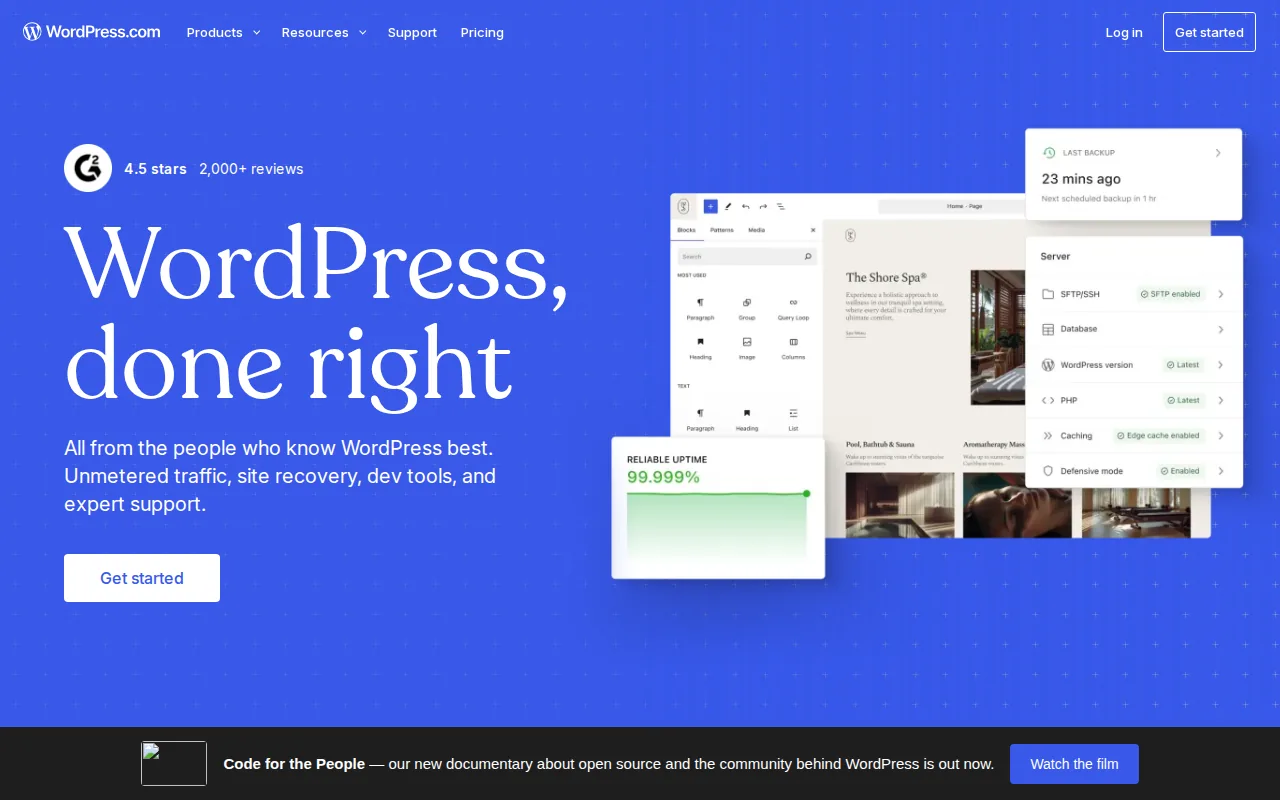
It is best for technical authors or writers who have reliable help. A self-hosted site gives you control over the design and site structure. You can build a blog, add book pages, publish long-form content, and shape a larger platform around your work.
That control comes with upkeep. You must apply updates, check plugin conflicts, manage backups, and protect the site from security problems. Each task can be small on its own. Together, they become a monthly job.
WordPress makes sense for a non-fiction author whose growth plan depends on search traffic and regular publishing. It can also work for an author who needs a store with custom products. But a first-time site owner may spend more time fixing the system than writing the content that brings readers in.
WordPress is widely used as a content management system, and WordPress is an open-source publishing platform. The important cost point is the surrounding setup, not the software label alone.
Budget for hosting, a paid theme if needed, plugin licenses, and occasional technical work. Complete WordPress setup costs vary depending on what you add and who maintains it.
Pick WordPress when you want long-term control and will accept the work that comes with it. If you want the site to stay quiet while you focus on your next book, a managed author platform may be a better fit.
6. Reedsy Marketplace, custom freelance design with project-based pricing
Reedsy Marketplace connects authors with freelance website designers. It suits writers who want a custom site but don’t want to hire a full agency. Pricing is set by the project, so the scope matters more than a standard monthly plan.
Freelance work sits between DIY tools and agencies. Research for this comparison places custom freelance builds at roughly $1,900 to $5,000 when the work involves a full five-page WordPress site. Smaller updates can cost much less, but a low quote may cover tweaks rather than a new site.
The project price depends on what you bring to the table. A designer may need to help with page structure, copy direction, mobile layout, book images, email forms, and revisions. A writer who already has a brand, final copy, and book covers will usually need less design time than someone starting with loose ideas.
| Project situation | Why this option fits | Cost risk to check |
|---|---|---|
| Small site updates | You already have a working website | Small changes may not include a full redesign |
| New five-page site | You want custom design without an agency | Copy, images, and revisions may sit outside the quote |
| Book-selling site | You need a tailored store or sales path | Commerce setup can increase scope |
| Brand-led author platform | You need the site to support speaking or consulting | Brand strategy may be priced separately |
Before you ask for proposals, write down the pages you need and the action you want readers to take. Do you want an email signup, a retailer click, a direct purchase, or a request for your speaking services? A clear brief helps a designer price the actual job.
Also ask who owns the site after launch. Confirm that you will receive admin access, design files when promised, and clear terms for later edits. A custom build is a poor deal if every small change requires another expensive handoff.
Freelance design is the right call when the website needs to look distinct and you have a four-figure project budget. If you only need a clean author home page, start with a builder and spend the saved money on editing or reader outreach. The book launch marketing plan template can help you connect the site to the work that follows the build.
FAQ: Author Website Design Cost
How much does an author website cost?
An author website can cost from free to several thousand dollars. DIY platforms often start below $20 per month, while custom freelance work may reach the low four figures. Add the domain, email service, store tools, design assets, and maintenance before setting your budget.
What is the cheapest way to build an author website?
The cheapest route is a free plan or self-hosted setup, but the low cash cost shifts work onto you. Free plans may show platform branding. Self-hosted WordPress may require paid hosting and plugins. For many authors, a low-cost author platform gives a clearer total than stitching together separate tools.
Do authors need a website to sell books?
Authors don’t need a website to list books with retailers, but a site gives them a home they control. It can collect email subscribers, show every title, and send readers to the right retailer. Direct sales require a platform with store support, plus payment and delivery settings.
Is it worth paying someone to build an author website?
Paying a designer is worth it when your time, brand, or launch deadline matters more than the upfront fee. A professional can shape the page plan and reduce setup work. It is less useful when you only need a basic page and can write the copy and make the layout yourself.
What should an author website include?
An author site should include a clear homepage, book information, purchase links, and an email signup. Add a contact page if readers, media, or event hosts need to reach you. A blog, events page, speaking page, or store can come later when you have content and a clear reason to use it.
Conclusion
Choose Bradley Johnson Productions if you want branding guidance and support while building a site for a serious non-fiction author platform. Choose Tertulia for Authors when low monthly cost and book-focused tools matter most. Before you buy, list your must-have pages, sales path, domain, email needs, and maintenance plan. That short brief will show the real cost far better than a headline price.