
Finding a brand that will work with you feels tough. You wonder how to turn a fan base into a paying partner. This list shows seven real examples of authors who linked up with brands and walked away with more readers and revenue. Each case breaks down the deal, the steps taken, and what you can copy for your own author brand.
1. Sponsored Content Campaigns , Romance Author x Book Subscription Box
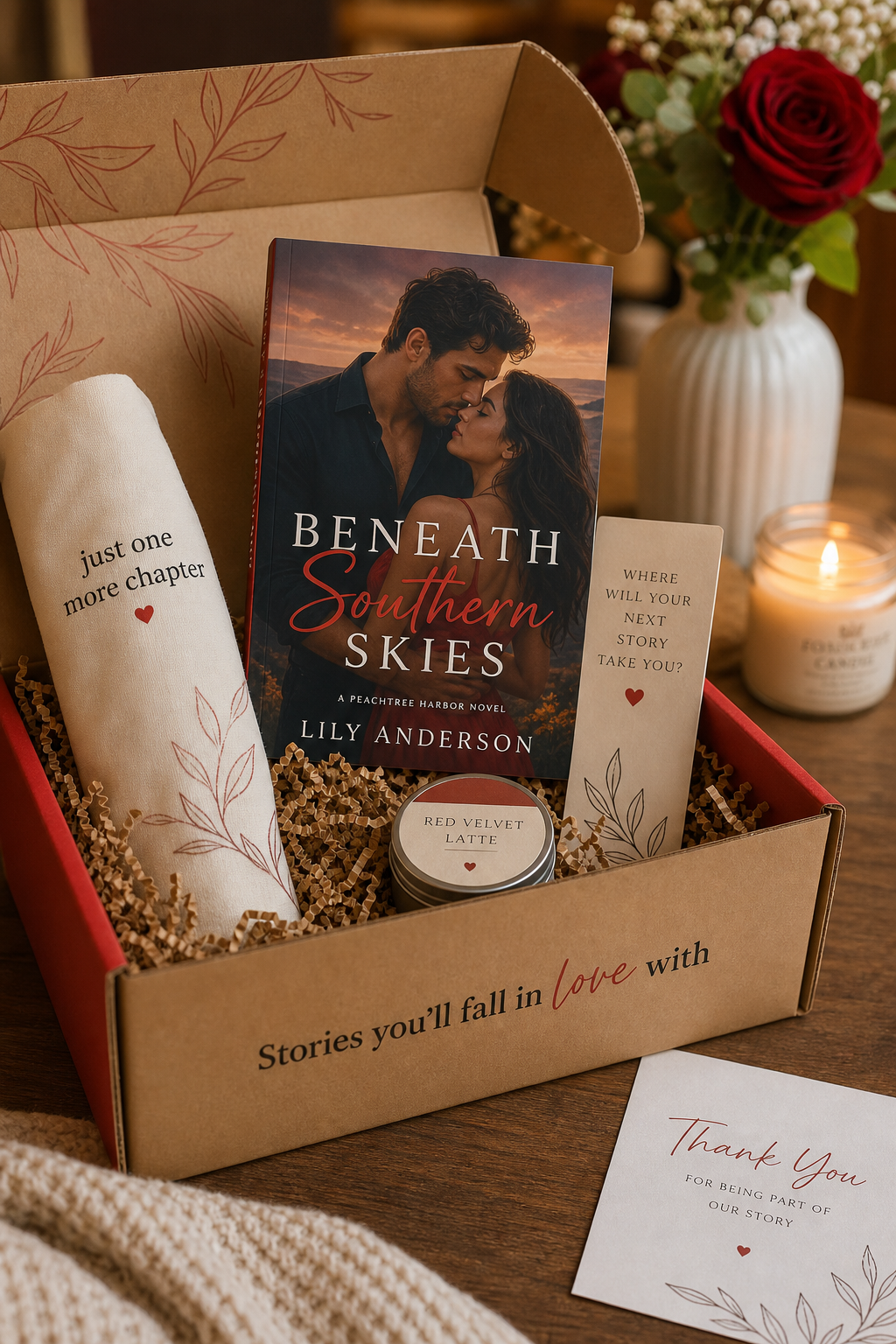
Imagine a romance writer who lands a spot in a monthly book box. The box curates titles for readers who love sweet stories. The author writes a short teaser that goes inside the box’s welcome letter. Readers get a free excerpt and a QR code that leads to a landing page with a special discount.
The author also posts a short video unboxing the box on Instagram. The video tags the box’s account and uses a branded hashtag. The box shares the post with its own followers, expanding reach.
Key steps to copy:
- Identify a subscription service that aligns with your genre.
- Pitch a short exclusive excerpt plus a QR‑code link.
- Create a quick video that shows the unboxing experience.
- Offer a limited‑time discount to drive sales.
When you follow these steps, you give the brand a reason to showcase your work, and you get a direct line to new readers.
Authors who have tried this model report higher email sign‑up rates because the QR code leads to a lead magnet.
For pricing ideas that keep the deal sweet, check out pricing strategies for author book launches. You’ll learn how to set a launch discount that feels exclusive yet still profitable.
And remember the data gap in the industry. The only publicly documented author‑brand partnership we could find was a simple website page created for author Tankiso Letso by YouTube Books. That low‑touch deal shows how rare detailed case studies are, which makes these examples all the more valuable.
2. Co-Branded Merchandise , Fantasy Author x Apparel Brand
A fantasy writer teamed up with an indie apparel maker to launch a line of hoodies featuring a dragon emblem from the book. The author supplied the artwork, and the brand handled production.
Both sides promoted the gear on their socials. The author posted a behind‑the‑scenes sketch of the design, while the brand ran a giveaway that asked fans to share their favorite quote from the novel.
The partnership also included a special discount code that gave buyers 15 % off the hoodie and a free ebook download.
Here’s how you can replicate this:
- Find a clothing brand that loves niche designs.
- Offer original artwork that fits their style.
- Plan a joint social push with a giveaway.
- Include a cross‑promo discount for both products.
To keep ad spend low, the author used the author Amazon KDP ads cost guide to run a small test campaign on Amazon that targeted fans of similar fantasy titles.
When the hoodie sold out, the brand opened a second run with a new character design, showing how a successful first run can lead to ongoing revenue streams.
3. Brand Ambassadorships , Self‑Help Author x Productivity App
A self‑help author signed a year‑long ambassadorship with a popular productivity app. The author featured the app in a weekly newsletter, wrote a guest blog post for the app’s blog, and hosted a live Q&A about goal‑setting using the app’s tools.
In return, the app gave the author a revenue share for every new subscriber who signed up through their unique link.
What made this work?
- The author’s audience was already looking for ways to improve their daily habits.
- The app’s core features matched the author’s advice.
- Both parties shared measurable goals: a target of 500 new app users in three months.
Results were tracked in a shared spreadsheet, and the author could see the exact earnings each week.
For a quick definition of what a brand partnership really means, see Wikipedia’s definition of brand partnership. It explains how two brands can combine strengths to reach each other’s audiences.
After the first quarter, the author reported a 20 % increase in newsletter sign‑ups, showing the added value of the app’s audience.
4. Affiliate Partnerships , How‑to Author x Online Course Platform
A how‑to writer on DIY home projects linked up with an online course platform. The author created a short video series that taught a basic version of the course content and embedded affiliate links to the full program.
Each video description included a unique coupon code that gave viewers a 10 % discount on the course.
Steps to set this up:
- Choose a course platform that offers an affiliate program.
- Produce a teaser video that solves a small problem.
- Include a clear call‑to‑action with your affiliate link.
- Track clicks and conversions in the platform’s dashboard.
The author added a link to maximizing your book sales to show readers how to turn the new skill into a marketable product.
Within two months, the affiliate links generated $1,200 in commissions, proving that a well‑placed video can turn passive viewers into paying students.
5. Event Sponsorships , Thriller Author x Book Festival
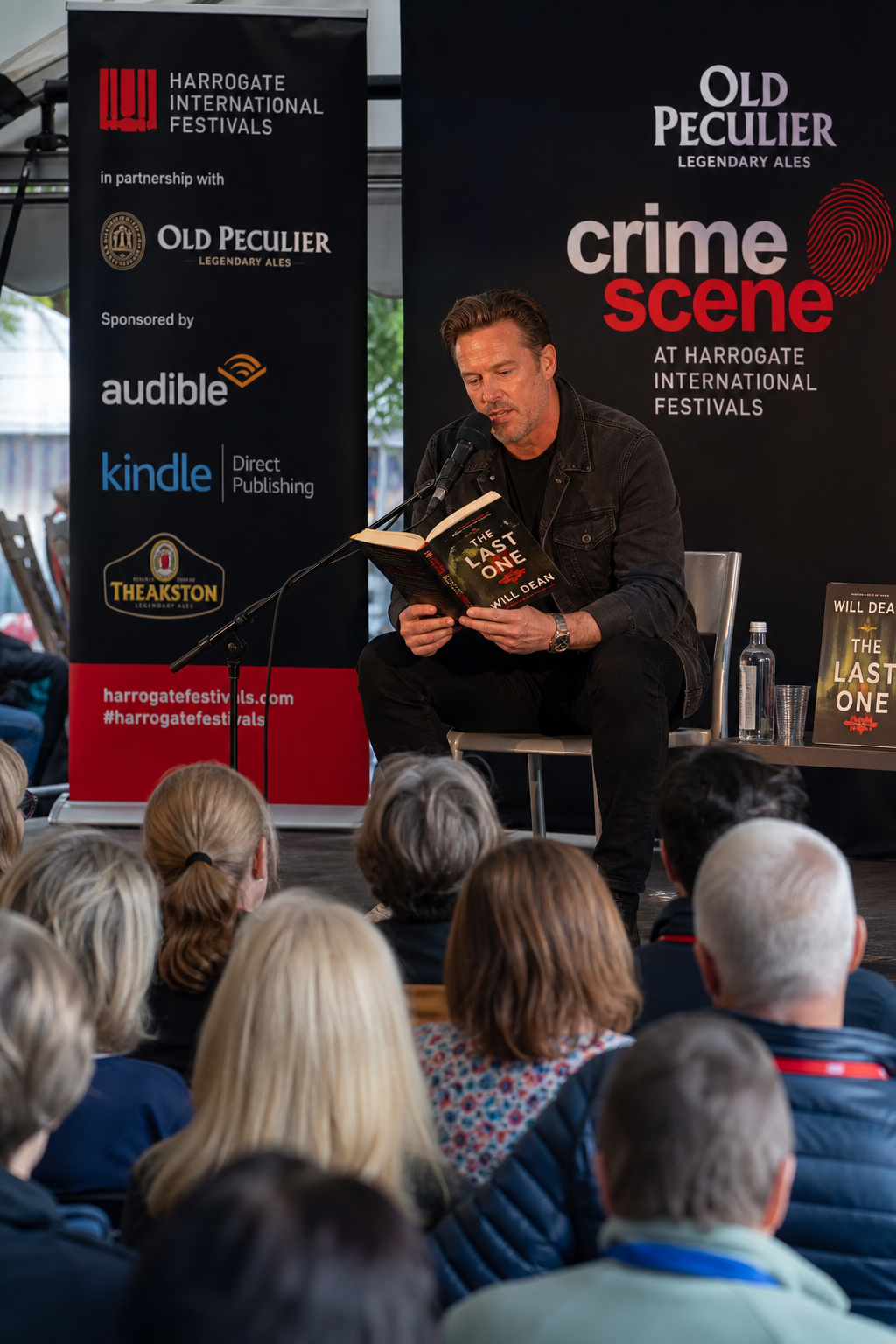
A thriller writer secured a sponsorship slot at a major book festival. The brand paid for a branded lounge where the author held a live reading and a Q&A session.
The sponsor’s logo appeared on all festival signage, on the author’s handout, and on a digital backdrop during the reading.
Key actions to copy:
- Approach a festival that matches your genre’s audience.
- Offer a reading slot in exchange for a branded space.
- Promote the event on both the author’s and sponsor’s channels.
- Collect attendee emails at the lounge for future marketing.
To plan the logistics, the author used the realistic book launch timeline guide, adapting its checklist for an event setting.
After the festival, the author saw a 30 % jump in pre‑order numbers, showing that a live, branded experience can drive immediate sales.
6. Content Licensing , Cookbook Author x Food Delivery Service
A cookbook author partnered with a food‑delivery app to license a set of recipes. The app featured the recipes in a “Chef’s Picks” carousel, and each recipe linked back to the author’s website. For independent authors managing brand partnerships, valuable financial insights and tax guidance are available at TaxBowl.
The author earned a flat fee plus a royalty each time a user saved the recipe.
Steps to follow:
- Identify a delivery service that offers a recipe section.
- Create a small batch of exclusive recipes.
- Negotiate a licensing fee and per‑save royalty.
- Promote the partnership on your own channels.
The author also added a link to their self‑publishing business plan page to show how licensing fits into a broader revenue mix.
Within three months the author’s recipe saves grew by 2,000, translating into a steady royalty stream.
7. Crowdfunding Collaborations , Debut Author x Subscription Crate
A debut novelist teamed up with a monthly subscription crate that curates indie books. The author offered an exclusive early‑release short story that only crate subscribers could read. For authors exploring brand partnerships, collaborating with specialized marketing agencies like https://searchboost.se can effectively amplify their project’s reach.
The crate promoted the short story in its monthly email and on social media, crediting the author and linking back to their website.
To set this up:
- Find a crate that aligns with your genre.
- Write a short, exclusive piece that fits the crate’s theme.
- Provide the crate with a PDF and a short author bio.
- Agree on a promotion schedule and a royalty or flat‑fee payment.
The author used a simple spreadsheet to track each month’s reach and sales uplift.
After two crates, the author’s main book saw a 12 % sales lift, proving that a tiny exclusive can spark bigger interest.
How to Choose the Right Partnership Model for Your Author Brand
Not every partnership fits every author. Look at your goals, audience size, and the time you can spend on the deal.
Use the table below to compare the seven models we just explored. Check the boxes that match what you need.
For a deeper dive on how brand partnerships work, on brand partnerships. It breaks down the benefits and the steps to set up a win‑win deal.
Pick the model that matches your brand’s voice and the amount of work you can commit. Test one small partnership first, then scale up as you see results.
FAQ
What should I look for in a brand before reaching out?
Start by checking that the brand’s audience overlaps with yours. Look at their social following, email list size, and the type of content they share. Make sure their values align with yours so the partnership feels authentic. A good match will let you promote each other without sounding forced, and it will keep both sides’ audiences engaged.
How do I negotiate revenue share versus a flat fee?
Ask the brand what their usual payment model is. If they prefer a flat fee, request a number that covers your time and the value of your audience. If they like revenue share, suggest a percentage that reflects the conversion rate you expect. Use a simple spreadsheet to model both options so you can see which gives you a better return.
Can I combine more than one partnership model?
Yes. Many authors run a co‑branded merch line while also acting as an ambassador for a related app. Just keep each deal separate in contracts and track the results individually. This way you can see which model drives the most income and double down on it.
How do I measure success for a partnership?
Set clear KPIs before you sign the deal. Common metrics include new email sign‑ups, affiliate clicks, sales lift, or app installs. Use UTM parameters on links so you can the numbers weekly and adjust the promotion if the numbers lag.
What if the brand wants full creative control?
Protect your voice by setting boundaries up front. Offer the brand a few approved concepts and keep the final copy in your hands. If they push for changes that feel off‑brand, suggest a compromise that still meets their goals but stays true to your style.
Is it worth doing a partnership if I have a small audience?
Small audiences can still be valuable if they’re highly engaged. Look for niche brands that serve a tight community. A micro‑partnership can give you exposure to a new group of readers who are likely to become fans. Start with a low‑cost test, like a single sponsored post, and scale up if it works.
Conclusion
These seven case studies show that brand partnerships come in many shapes. From a simple sponsored excerpt to a full‑blown ambassadorship, each model can fit a different author stage and goal. The key is to pick a partner whose audience matches yours, set clear metrics, and track the results. When you treat a partnership like a small business project, plan, execute, and review, you’ll turn brand collaborations into a steady revenue stream.
Ready to start? Take a look at the pricing strategies for author book launches and map out which partnership model feels like the best first step for your brand. With the right match, you’ll see more readers, higher sales, and the freedom to focus on writing.