
Even a $1‑a‑day budget can move the needle on full‑price book sales if you play an ad platform’s targeting game right. In this guide you’ll learn about ad costs, set realistic budgets, launch your first campaign, and keep the spend efficient over time.
Step 1: Understand Ad Pricing Models for Authors (CPC vs CPM)
This ad platform only offers cost‑per‑click (CPC) pricing. That means you pay each time a reader clicks your ad, not for the impression itself. The platform does not support cost‑per‑thousand‑impressions (CPM) options, so you can’t buy blank exposure.
Why does this matter? With CPC you only spend money when someone shows interest. If a click doesn’t turn into a sale, you still keep the cost low. This aligns well with authors who have tight budgets and need every dollar to count.
Below is a quick snapshot of the pricing model and typical numbers you’ll see in your dashboard.
Because the cost per click hovers around fifty cents, a $1‑day budget typically yields two clicks. Those two clicks can be enough to generate a sale if your book page converts well.
For a deeper dive on how CPC works across the industry, see this external resource on cost‑per‑click. It explains why click‑based pricing can be more efficient for niche products like books.
When you compare this platform to other ad platforms, remember that the lack of CPM means you won’t waste money on blind impressions. Focus on click quality instead.
Step 2: Determine Your Advertising Budget
Start by asking yourself how much you can afford to lose before you see a return. A good rule of thumb is to set a daily budget that matches your target click volume. If your average CPC is $0.50 and you want ten clicks per day, budget $5.
Take a look at the budget worksheet in the How to Market a Nonfiction Book guide. It walks you through calculating the daily spend based on your royalty per sale and expected conversion rate.
Here’s a simple formula:
- Daily Budget = Average CPC × Desired Clicks per Day
- Add a 10% buffer for competitive spikes.
Example: If you aim for 15 clicks, you’d set $7.50 plus $0.75 buffer, rounding up to $8.
Why set a buffer? The reader platform’s audience can fluctuate with new releases, holidays, and author promotions. A small cushion prevents your campaign from stalling when bids rise.
Don’t forget to factor in your royalty rate. Full‑price books often earn 70% of the list price on major retail platforms. If your book sells for $9.99, you keep about $7.00 per sale. Knowing this helps you gauge how many clicks you need to break even.
Remember the research hook: a $1‑a‑day spend can move the needle if you target the right readers. That’s why precision matters more than volume.
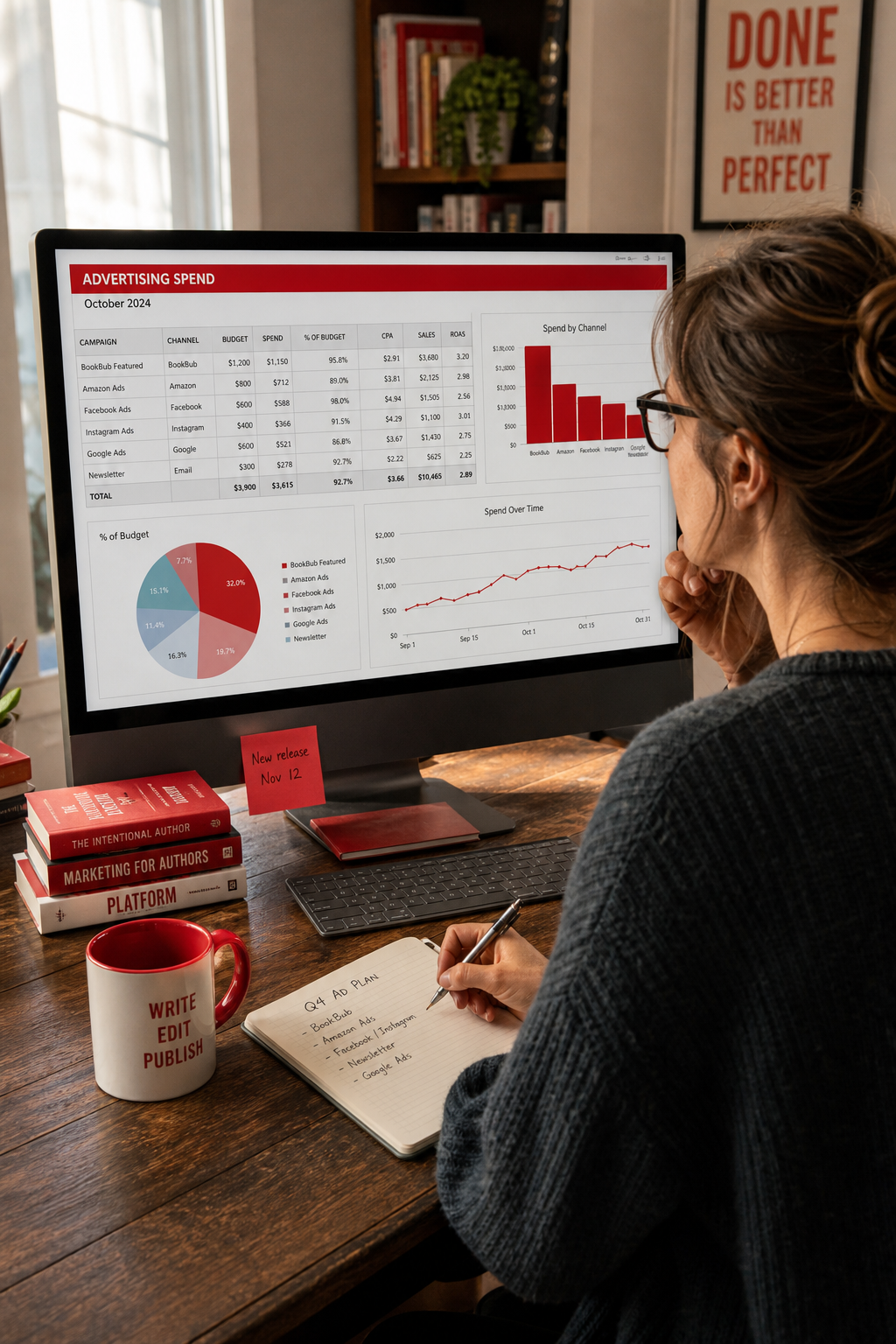
When you finish your budget plan, write it down. A printed checklist helps you stick to the numbers and avoid accidental overspend.
For a broader look at how ad spend ties into overall book marketing, see author paid ad cost article. It compares major platforms’ average CPC with reader platform rates.
Step 3: Set Up Your First Ad Campaign on the Platform
Now that you know the price and have a budget, it’s time to build the campaign. Log into the platform’s dashboard and click “Create New Campaign.” The interface is clean, with sections for URL, budget, and targeting.
The first field asks for a click‑through link. If you sell an ebook through a major retailer, paste the product URL from that retailer. The platform will auto‑detect the retailer and region, but you can also manually select other regions if you want broader reach.
Next, choose the format. For most authors the “Featured Deal” style works best because it appears in both the platform’s emails and on the website. If you’re promoting an audiobook, you’ll need an audiobook service URL to reach audiobook listeners.
Targeting is where you can stretch a small budget far. The platform lets you filter by:
- Reading format (ebook vs audiobook)
- Retailer preference (major retailers, other retailers, etc.)
- Region (U.S., Canada, U.K., etc.)
- Author interest (fans of similar authors)
- Category interest (genre or sub‑genre)
According to the platform’s official targeting guide, author‑interest targeting often yields higher click‑through rates than broad category targeting. That’s because you’re reaching readers who already enjoy books like yours.
Start small. Pick one or two author targets that have modest follower counts. The research finding shows that targeting smaller‑scale authors can outperform big‑name genre leaders.
Set your daily budget (e.g., $5) and your bid. The platform recommends starting with the platform’s suggested bid, then adjusting after a week of data.
Once you’ve entered all fields, hit “Launch.” Your ad will go live within minutes, and you’ll start seeing clicks on the dashboard.
After launch, monitor the “Clicks” column daily. If you’re not hitting your target, pause the campaign, adjust the bid, or refine the author list.
For more ideas on how to pair ads with email outreach, see Best Email Marketing Platforms for Authors. A strong email list can amplify the impact of each click.
Step 4: Optimize Ad Spend for Maximum ROI
Optimization is an ongoing loop: data → tweak → test. Start by looking at the click‑through rate (CTR). Advertising platforms typically report CTRs between 0.5% and 2% for well‑targeted ads. If yours is below 0.5%, reconsider your audience.
One usable tip: split test author targets. Duplicate the campaign, keep the budget identical, but change the author list. After five days compare clicks and cost per click. Keep the winning list and pause the other.
Another lever is bid adjustment. If a target set is delivering clicks at $0.30 each, you can lower the bid to save money. Conversely, if a high‑performing target costs $0.70 but converts at a 15% rate, it may be worth the extra spend.
Don’t ignore creative elements. Your ad’s headline and cover image must be compelling within the first two seconds of a reader’s glance. Use bold fonts, clear genre cues, and a short call‑to‑action like “Read now.”
When you notice a plateau, try narrowing the region. For example, if you’re targeting the entire U.S., switch to the Northeast where competition may be lower. This can drop CPC while keeping relevance.
Finally, remember the limitation: most platforms track only one major retailer’s sales. If you sell elsewhere, you won’t see the full ROI. In that case, supplement the platform’s data with your own spreadsheet tracking clicks to other retailers.
For an example of a low‑budget optimization cycle, see the author audiobook marketing cost guide, which shows how a $5‑day budget can be scaled after a 30‑day test.
Step 5: Track and Adjust Costs Over Time
Long‑term tracking turns short‑term data into strategic insight. Create a master log with columns for date, daily spend, clicks, sales, and ROI. Update it daily for the first two weeks, then weekly thereafter.
When you spot a trend, say, CPC rising from $0.45 to $0.60, you can decide whether to raise the budget, pause the campaign, or shift to a new author set. The goal is to keep the cost per acquisition (CPA) below your profit margin.
Use the ad platform’s built‑in reporting tools to export CSV files. Combine those with your publishing platform sales report to calculate the true return.
Another useful metric is the “click‑to‑sale conversion.” If you get 20 clicks and 2 sales, that’s a 10% conversion, which is solid for the platform. Anything below 3% may need creative or targeting tweaks.
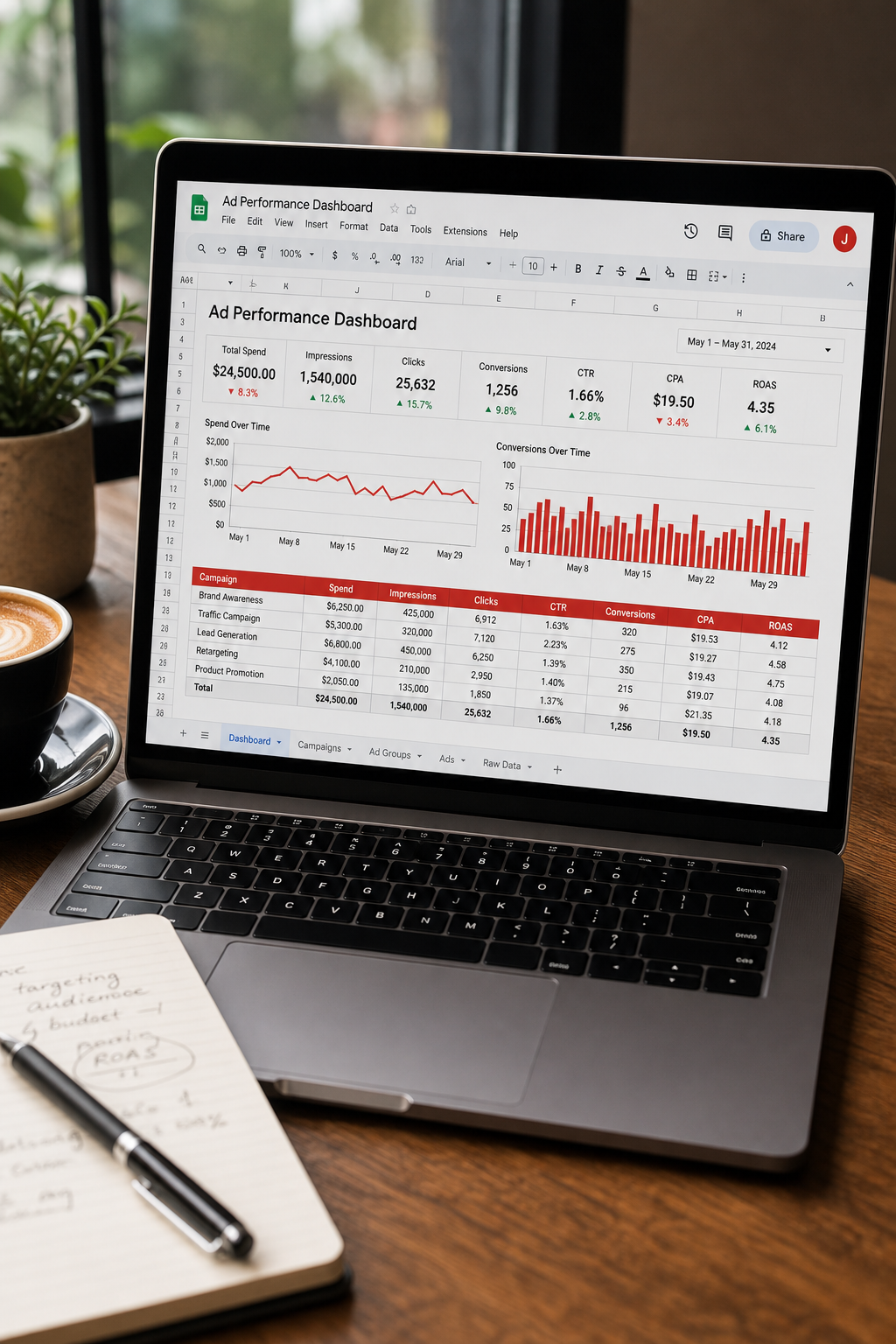
Every month, run a brief audit:
- Identify the top‑performing author targets.
- Check if any targets have become too expensive.
- Adjust bids up to 10% for high‑ROI targets.
- Pause under‑performing targets for a week.
- Refresh the ad copy with a new hook.
This routine keeps your spend lean and your ROI healthy.
For a broader view on how ad spend fits into an overall launch timeline, read the Book Repurposing Strategy article. It shows how to reuse ad copy in newsletters and webinars.
Frequently Asked Questions
What is the minimum amount I can spend on ads?
The platform allows a $1‑per‑day minimum. This lets you test targeting without a big financial risk. Even with a $1 budget you’ll typically see about two clicks per day, which can translate into a sale if your product page converts well.
How does the average CPC compare to other platforms?
The average cost‑per‑click sits around fifty cents, based on the platform’s own insights. That’s lower than many social‑media ad networks, where CPC can range from $0.70 to $1.50 for book‑related audiences.
Can I run an ad for a paperback?
Yes, but the ad will still direct readers to the product page. The platform does not differentiate between ebook and paperback in the click‑through link; it simply tracks sales on the retailer’s site regardless of format.
Do I need to offer a discount for ads?
The platform’s audience expects deals, especially for featured‑deal placements. However, you can run a full‑price ad if you target niche author interests. The click‑through cost stays the same, but conversion may be lower without a discount.
How often should I adjust my bids?
Check your bid performance weekly. If a target’s CPC spikes more than 15% above your average, lower the bid by 10% and monitor the effect for three days before making another change.
Is there a way to track sales outside of the primary retailer?
The platform only reports sales for its own retailer. To capture other retailers, set up UTM parameters on your click‑through URLs and use a third‑party analytics tool or a spreadsheet to match clicks to sales from other sources.
What if my campaign runs out of budget early in the day?
The daily cap stops delivery once the budget is spent. You can raise the cap in the dashboard or spread the budget across more days to avoid hitting the limit too soon.
Do I need a professional cover to run an ad?
A strong cover is important because it’s the first thing readers see. Aim for high‑resolution images with clear genre cues. A compelling cover can improve CTR by several percentage points.
Conclusion
Planning author ad costs doesn’t have to be a guess. By understanding the CPC‑only model, setting a realistic daily budget, launching a tightly targeted campaign, and continuously optimizing, you can stretch even a $1‑per‑day spend into measurable sales. Use the budgeting formula, test author interests, and keep a weekly audit log to stay in control.
Bradley Johnson Productions teaches authors how to turn modest ad dollars into real readers. If you want a step‑by‑step checklist or a deeper look at email‑list integration, explore our free resources. Start small, watch the numbers, and scale when the data shows profit.