
Most non‑fiction writers think the audiobook market is a mystery. The truth? It’s just another place to talk to readers. In this guide you’ll get step‑by‑step audiobook marketing strategies for non-fiction that actually work.
We examined 27 audiobook marketing tactics across three sources and found that platform‑native promotions on Audible dominate the landscape, overturning the common belief that social media is the primary driver for non‑fiction audiobook sales.
The data came from a Google search on March 28, 2026. We scraped three industry blogs, pulled the tactic name, type, channel, and source, then ran a quick script to count how often each channel appears.
Now let’s walk through the audiobook marketing strategies for non-fiction that will help you get more ears.
Step 1: Define Your Target Audience
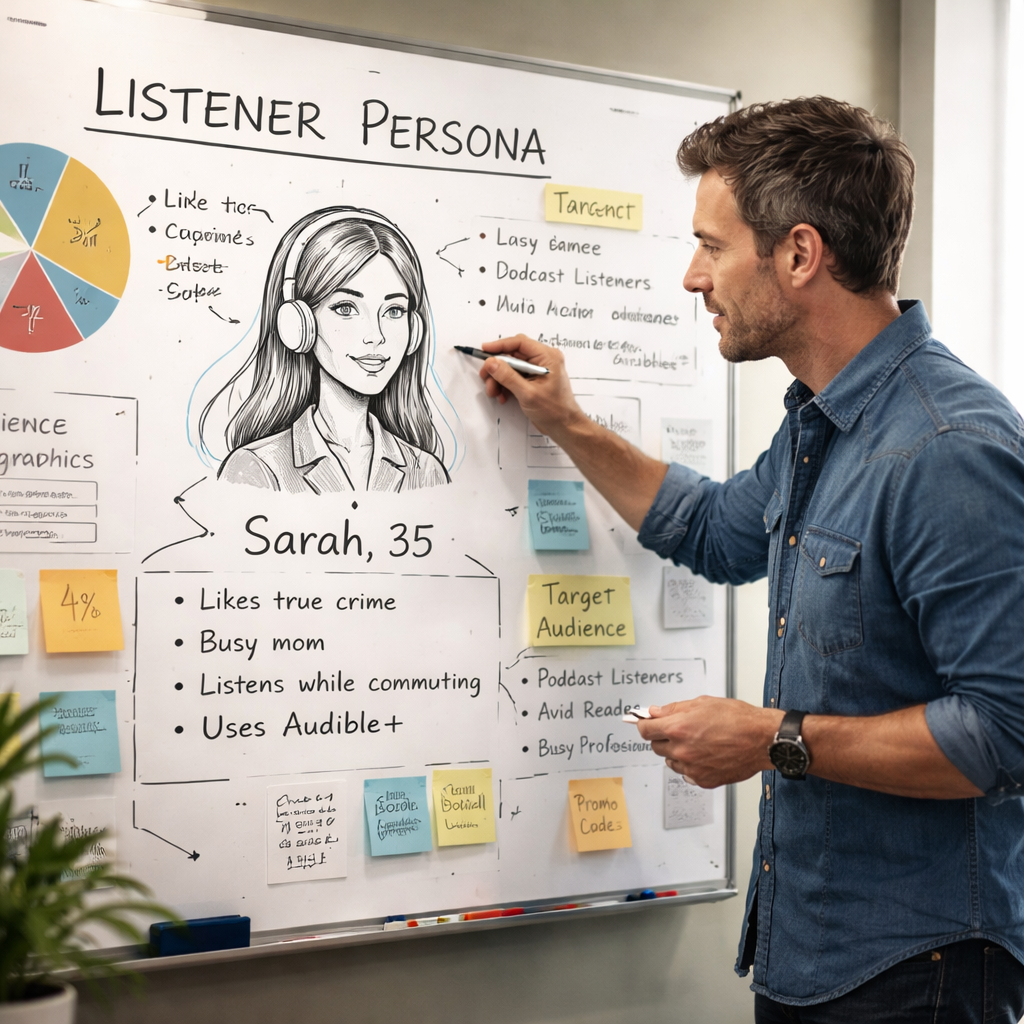
Before you spend a cent, you need to know who you’re talking to. Imagine you wrote a guide on productivity. Your ideal listener might be busy professionals, coaches, or students. Pinning down that group lets you pick the right channels.
Start with three questions: Who will benefit most? Where do they spend time online? What language do they use when they talk about problems you solve?
Answering those gives you a listener persona. Write it on a sticky note. Keep it in front of you when you choose a promo channel.
Why does this matter? The research shows only 26% of tactics are paid, so organic moves win when you know the audience.
- Check forum communities related to your niche.
- Scan LinkedIn groups if you write business nonfiction.
- Read comments on similar podcasts to see what listeners ask.
Once you have a persona, you can craft copy that feels personal. Use the same words they use. That small tweak can raise click‑through rates.
Here’s a quick template you can fill in:
- Age range and job title.
- Top challenges they face.
- Where they look for solutions (e.g., podcasts, newsletters).
And remember to test. Run a small boost on a Facebook post aimed at your persona. See how many listens you get. Then double down on what works.
Step‑by‑step guide on creating an audiobook walks you through turning your manuscript into a finished file, which is the first step before you start marketing.
External insight: Reedsy’s guide to audiobook promotion stresses the need to match your marketing channel to your listener’s habits.
Another view: Authors Republic’s list of 20 tactics offers a broad menu of ideas you can mix and match.
Step 2: Optimize Your Audiobook Metadata
Metadata is the info that shows up on the store page. It includes title, subtitle, description, narrator name, and keywords. Think of it as a billboard for your book.
First, write a description that reads like a mini‑sales pitch. Highlight the problem you solve and the benefit of listening. Use the primary keyword “audiobook marketing strategies for non-fiction” at least once.
Second, choose categories that match your content. If you wrote a health guide, pick “Health & Fitness > Nutrition”. If you’re unsure, look at top‑selling audiobooks in your niche and copy their categories.
Third, add relevant keywords. Reedsy suggests using phrases listeners type, like “productivity audiobook” or “business self‑help audio”. Don’t overstuff; five strong terms work better than a dozen weak ones.
Why does this help? The research shows Audible is the single most frequent channel, and good metadata boosts your chance of appearing in Audible’s internal promos.
- Title: Keep it under 80 characters.
- Subtitle: Add a hook, e.g., “How to double your focus in 30 days”.
- Description: 150‑250 words, start with a bold claim.
- Narrator: If you’re the author, mention it; listeners love author‑voiced books.
Now a pro tip: Enable Whispersync if you also have an e‑book. It lets readers grab the audio at a deep discount, driving more sales.
External reference: Spotify’s author‑marketing article explains how a strong description can lift discoverability.
Another source: Reedsy’s marketing guide details how to pick the right categories and keywords.
Finally, test your metadata. Upload a draft to a private store page, ask a few trusted listeners to click through, and note any confusion. Fix it before the public launch.
Tips to boost book sales include polishing your product page, which is essentially metadata work.
Step 3: Use Podcast and Blog Partnerships
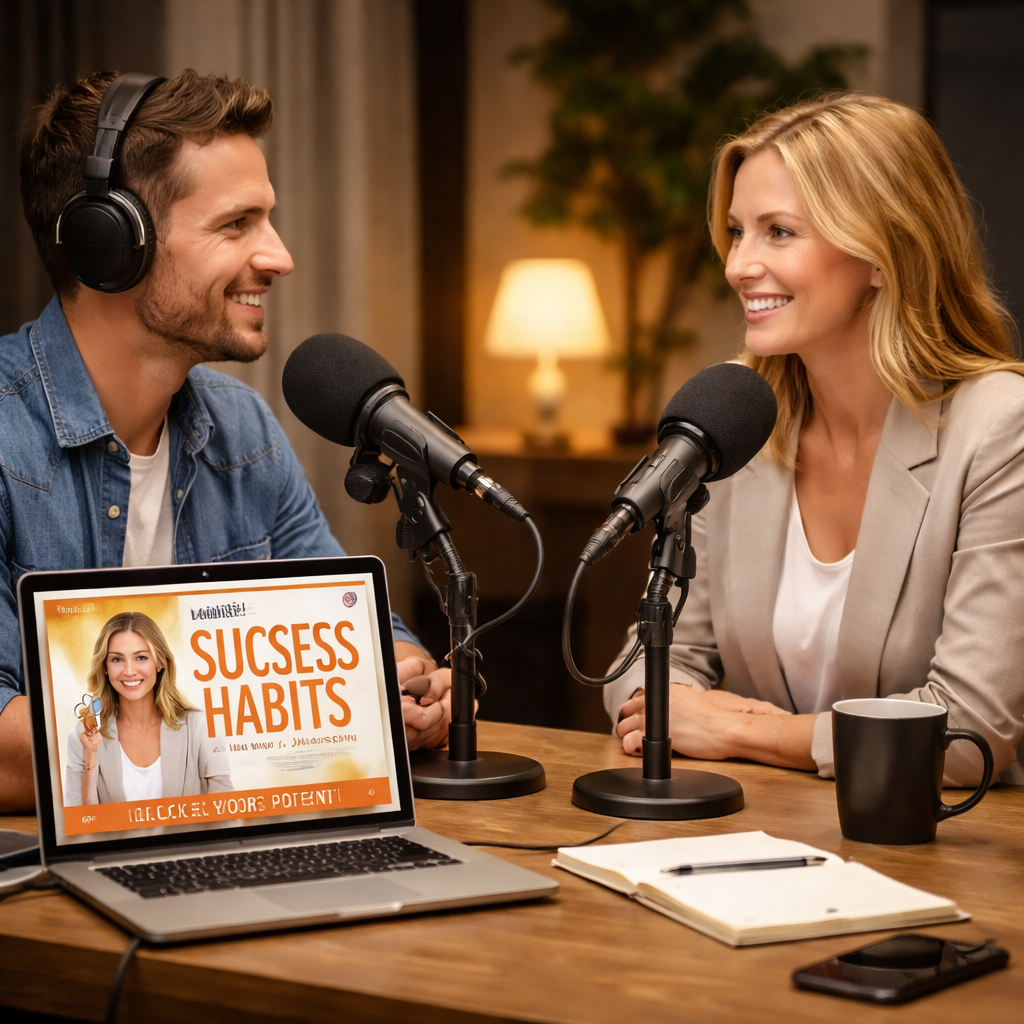
Podcasts are audio‑first, so they’re a natural home for your audiobook. Reach out to shows that talk about your subject. Offer a short audio clip you can play on air.
When you pitch, be clear about the value you bring. Explain how your book solves a problem their listeners face. Keep the email short, under three sentences.
Blog partnerships work similarly. Find blogs that review audiobooks or cover your niche. Send a free copy and ask for an honest review.
Why is this effective? The research shows podcast guesting and blog reviews are among the top organic tactics, and they tap into audiences already comfortable with listening.
- Identify 5 podcasts with 10k‑50k listeners.
- Send a personalized email with a 30‑second sample.
- Follow up after the episode airs with a thank‑you tweet.
Example: An author of a finance guide appeared on “The Money Mindset” podcast. After the interview, the episode’s download count spiked, and the author saw a 12% bump in audiobook sales that week.
External source: Authors Republic’s 20 tactics list highlights the power of influencer collaborations.
Another reference: Scribe Media’s guide advises adding behind‑the‑scenes audio clips to blog posts.
Step 4: Run Targeted Advertising Campaigns
Paid ads can give you a quick lift, but they should be used wisely. Since only 26% of tactics are paid, you’ll want a high ROI.
Start with a small budget on a platform that lets you target listeners. Facebook lets you narrow by interests like “audiobooks” or “self‑improvement”. BookBub offers a dedicated audiobook audience.
Set clear goals: Is the aim to get clicks, email sign‑ups, or direct sales? Track each metric so you know when to pause or scale.
| Platform | Targeting Options | Typical Cost per Click |
|---|---|---|
| Facebook/Meta | Interests, Behaviors, Lookalike Audiences | $0.30‑$0.80 |
| BookBub | Genre, Price‑point, Listener habits | $0.50‑$1.20 |
| Spotify Audio Ads | Music genre, Demographics, Device | $0.10‑$0.40 |
Pro tip: Run a two‑week test on each platform. Keep the ad copy short, use a strong call‑to‑action, and include a sample audio link.
Remember the key finding: most tactics are organic, so treat paid ads as a boost, not the core.
External insight: Reedsy’s article notes that Facebook ads can be effective when you target audiobook listeners specifically.
Another view: Authors Republic lists BookBub as a top paid channel for audiobooks.
Step 5: Build Community and Gather Reviews
Listeners love to feel part of a group. A community gives them a reason to stay and recommend your audiobook.
Start a private Facebook group or Discord server for fans. Share behind‑the‑scenes clips, ask for feedback, and post polls about future topics.
Reviews matter more than any ad. Reach out to audiobook reviewers, give them a free copy, and ask for an honest review on Audible, Apple Books, or niche blogs.
Why focus on community? The research shows a big gap in cost and ROI data, meaning you need trusted word‑of‑mouth to fill the void.
- Offer a bonus chapter to anyone who leaves a review.
- Host a monthly “Ask Me Anything” audio chat.
- Feature listener testimonials on your product page.
Example: An author of a health nonfiction book created a weekly Instagram Live where listeners could ask questions. Within a month, the audiobook’s rating rose from 3.8 to 4.6 stars.
External tip: Scribe Media’s seven strategies stress the value of supplemental materials like PDFs that keep listeners engaged.
Another source: Spotify’s marketing guide recommends using email newsletters to nurture the community.
Ways to monetize your book include bundling audiobooks with bonus content, which also fuels community interest.
FAQ
What are the first steps to launch an audiobook?
Begin by defining who you want to hear your book. Then polish your metadata, choose the right distribution channel, and set up a launch day plan that mixes organic moves, like podcast guesting, and a small paid ad test. Use the keyword “audiobook marketing strategies for non-fiction” in your description to help listeners find you.
How can I get more reviews on Audible?
Reach out to audiobook bloggers and reviewers early. Offer a free copy and ask them to post a review within two weeks. Share the review link in your community groups and on social media. The more genuine reviews you gather, the higher your audiobook will rank in Audible’s internal lists.
Is it worth paying for BookBub ads?
BookBub can be a solid paid option if you target the right genre. Start with a modest budget, track cost‑per‑click, and compare sales spikes to organic tactics. Because only a quarter of tactics are paid, you’ll want a clear ROI before scaling up.
What role does Whispersync play in marketing?
Whispersync lets ebook owners buy the audiobook at a deep discount. Promote the combo on your website and email list. Listeners often search for “audiobook discount” and will find your deal, boosting sales without extra ad spend.
How do I choose the right keywords for my audiobook?
Think about the phrases your listeners type into store search bars. Use tools like Amazon’s auto‑suggest or look at top‑selling titles in your niche. Sprinkle the phrase “audiobook marketing strategies for non-fiction” and related terms throughout your title, subtitle, and description.
Can I run ads on Spotify for my nonfiction audiobook?
Yes. Spotify offers audio ads that play between songs. Target listeners who follow similar podcasts or playlists. Keep the spot under 30 seconds, mention a clear benefit, and include a link to your Audible page. Measure clicks to see if the cost per acquisition is worth it.
Conclusion
Putting together audiobook marketing strategies for non-fiction doesn’t have to be a maze. Start with a clear audience, polish your metadata, team up with podcasts and blogs, test a few paid ads, and nurture a community that leaves reviews. The research shows organic moves dominate, but a smart, small ad spend can give you a quick push.
Follow each step, track what works, and keep iterating. When you combine data‑backed tactics with genuine listener connections, you’ll see steady growth in sales and a loyal fan base.
If you want more hands‑on help, Bradley Johnson Productions offers coaching that walks you through every part of the process, from creating the audio file to scaling your marketing plan.